
Pyongyang, June 4
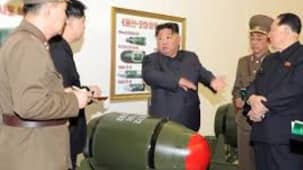
North Korean leader Kim Jong Un has called for a substantial expansion of the country's nuclear weapons programme following a visit to a newly operational nuclear material production facility. The development has once again placed international attention on North Korea's strategic military capabilities and its long-term nuclear ambitions.
According to reports released by North Korean state media, Kim Jong Un inspected facilities involved in the production of nuclear materials and reviewed progress in the country's nuclear development efforts. During the visit, he reportedly stressed the importance of increasing nuclear capabilities and strengthening the nation's defence posture in response to what he described as evolving security challenges.
The North Korean leader emphasised that the country's nuclear deterrence remains a key component of its national defence strategy. He called for continued technological advancement and increased production capacity to support future defence requirements.
North Korea has consistently maintained that its nuclear programme is intended to safeguard national sovereignty and security. The country has conducted multiple missile tests and nuclear-related activities over the past several years, despite international sanctions and repeated calls from the global community to halt such programmes.
The latest announcement comes at a time of heightened geopolitical tensions in several parts of the world. Security analysts believe that North Korea's continued investment in nuclear technology is likely to remain a major concern for neighbouring countries, including South Korea and Japan, as well as for the United States and its allies.
International organisations and several governments have repeatedly expressed concerns about North Korea's nuclear activities. The United Nations Security Council has adopted multiple resolutions imposing sanctions aimed at limiting the country's ability to develop nuclear weapons and ballistic missile technology. However, Pyongyang has continued to pursue its strategic military objectives.
Experts note that the expansion of nuclear material production could potentially increase North Korea's capacity to develop additional nuclear warheads in the future. While independent verification of the country's nuclear capabilities remains difficult, intelligence agencies and research institutions closely monitor developments through satellite imagery and other sources.
The latest statement by Kim Jong Un is expected to trigger renewed diplomatic discussions among regional powers. South Korea and Japan have frequently called for stronger international cooperation to address security concerns arising from North Korea's weapons programmes. The United States has also continued to advocate diplomatic engagement while maintaining sanctions and security commitments in the region.
Analysts believe that North Korea's leadership views its nuclear arsenal as an important bargaining tool in international negotiations and as a deterrent against perceived external threats. As a result, significant policy changes regarding the programme are considered unlikely in the near future.
The international community continues to emphasise the importance of dialogue and peaceful resolution of security issues on the Korean Peninsula. However, repeated announcements related to nuclear expansion have complicated efforts to restart meaningful negotiations between North Korea and other stakeholders.
As global attention remains focused on developments in East Asia, the future direction of North Korea's nuclear programme is expected to remain a key issue in international diplomacy and regional security discussions. Governments and security experts will continue to closely monitor any further announcements regarding the country's nuclear and missile capabilities.