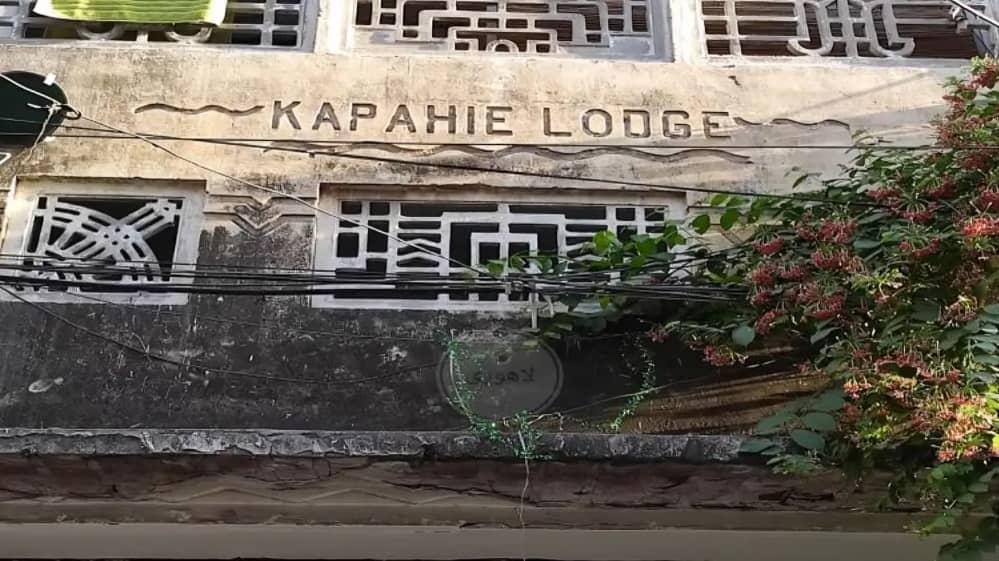
Lahore has initiated a heritage restoration effort that includes bringing back several historic Hindu, Sikh and colonial era locality names that were altered or removed after the Partition of India in 1947. Areas such as Krishan Nagar and Dharampura are among the historic names being restored as part of the broader initiative to preserve Lahore’s cultural and historical identity.
The decision has attracted attention from historians, heritage conservation groups and members of communities with ancestral roots connected to the city. Officials involved in the initiative stated that the restoration drive is intended to recognise Lahore’s diverse historical background and preserve the memory of communities that once played a major role in shaping the city’s social and cultural life.
Before Partition, Lahore was known for its multicultural population that included Hindus, Sikhs and Muslims living together in various neighbourhoods across the city. Many localities, streets and public areas carried names associated with religious, cultural and historical figures from different communities.
However, following Partition and the large scale migration that took place between India and Pakistan, several locality names were changed over time due to political, social and administrative developments. Historians say many original names gradually disappeared from official records, maps and public use.
The latest restoration effort is being viewed as an attempt to reconnect with Lahore’s historical identity and acknowledge the city’s shared heritage. Heritage experts argue that preserving old locality names can help future generations understand the cultural diversity and historical evolution of the region.
Krishan Nagar and Dharampura are among the best known historic localities in Lahore. These areas were once associated with vibrant Hindu and Sikh communities before Partition. Restoring these names is expected to have symbolic importance for heritage conservation efforts in Pakistan.
Urban historians note that many South Asian cities underwent major demographic and cultural transformations after Partition. In several cases, names of roads, localities and institutions were modified to reflect new political and social realities. The restoration of older names is therefore seen as part of a broader conversation about historical memory and cultural preservation.
Supporters of the initiative believe the move could encourage greater awareness about Lahore’s architectural, cultural and religious heritage. Conservation groups have also called for better preservation of historical buildings, temples, gurdwaras and colonial era structures linked to the city’s past.
The restoration initiative has generated positive reactions from several historians and cultural commentators who believe acknowledging historical diversity can strengthen cultural understanding and heritage tourism. Some experts also suggest that preserving historical names may help document the experiences and contributions of communities displaced during Partition.
At the same time, discussions surrounding historical identity and cultural memory continue to remain sensitive topics in the region due to the lasting impact of Partition on millions of families across India and Pakistan.
Officials involved in the project have reportedly stated that the heritage restoration work will continue in phases and may include additional historical locations and neighbourhoods in the future. Researchers and cultural organisations are expected to play an important role in documenting and verifying historical records connected to the city.
As Lahore continues its heritage revival efforts, the restoration of historic locality names is being viewed as a significant cultural step toward preserving the city’s rich and diverse historical legacy.