
The security situation in the Middle East has become increasingly tense following reports of missile and drone attacks targeting facilities associated with the United States in parts of the Gulf region. The developments have raised concerns among governments, international organizations, and energy market participants about the possibility of a broader regional escalation.
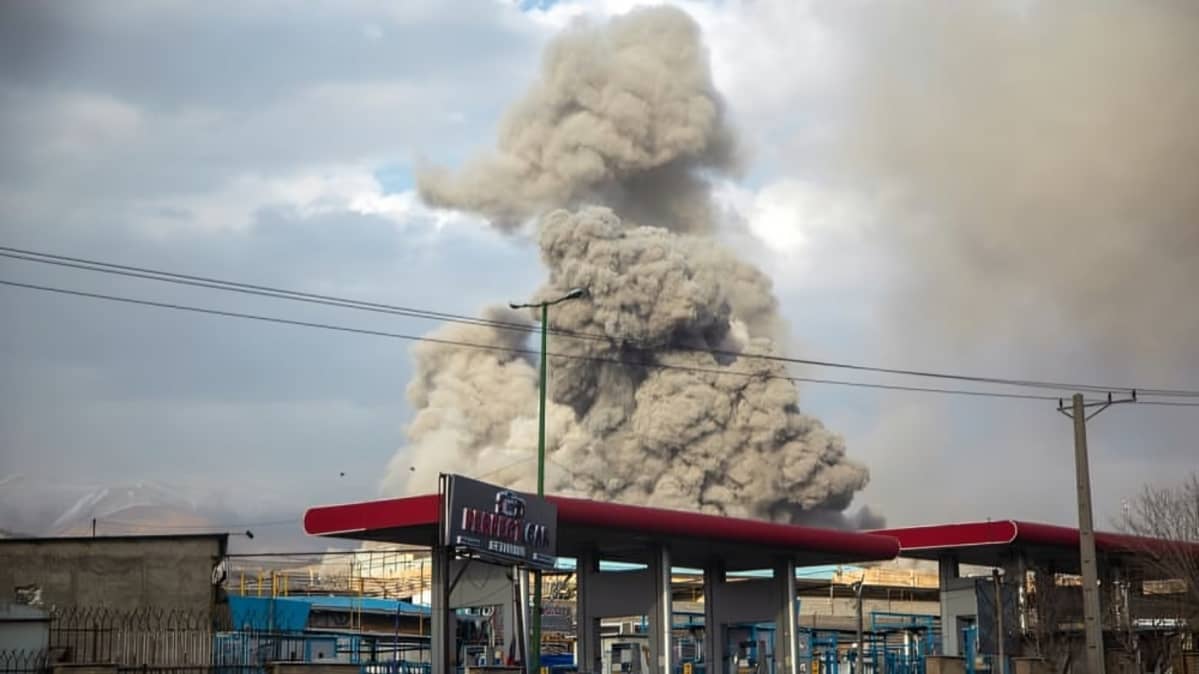
According to reports from regional and international media outlets, military installations and strategic locations connected to United States interests were targeted during the latest round of hostilities. Some reports also indicated disruptions to aviation operations in parts of the Gulf, leading authorities to implement precautionary measures and review security protocols.
Iranian officials reportedly described their actions as a response to what they consider external military pressure and security threats. Meanwhile, the United States stated that it had taken defensive measures to protect its personnel, facilities, and regional allies. American officials also emphasized that any military response undertaken by Washington was intended to safeguard national security interests and regional stability.
The latest developments come amid an already fragile geopolitical environment. Relations between Iran and the United States have remained strained for years due to disagreements over regional security, sanctions, nuclear policy, and military activities across the Middle East.
Security analysts note that any confrontation involving Iran and the United States carries broader implications because of the strategic importance of the Gulf region. The area is home to critical energy infrastructure, international shipping routes, and major military installations used by several countries.
Aviation authorities and airline operators have also been closely monitoring the situation. Heightened security risks can lead to flight diversions, airspace restrictions, and operational adjustments designed to protect passengers and crew members. Airlines operating in the region frequently coordinate with government agencies to assess risks and ensure safe travel conditions.
Global energy markets have reacted cautiously to the latest developments. Investors and traders are paying close attention to events because the Middle East remains one of the world's most important energy-producing regions. Any disruption affecting transportation routes or production facilities can influence oil prices and broader economic conditions.
Despite the increase in military tensions, diplomatic efforts continue. Officials from multiple countries have called for restraint and encouraged all parties to pursue dialogue rather than further escalation. International organizations have also urged adherence to international law and measures aimed at reducing the risk of a wider conflict.
Reports suggest that communication channels between various governments remain active. Diplomatic observers believe that maintaining these channels is essential for preventing misunderstandings and reducing the possibility of unintended military escalation.
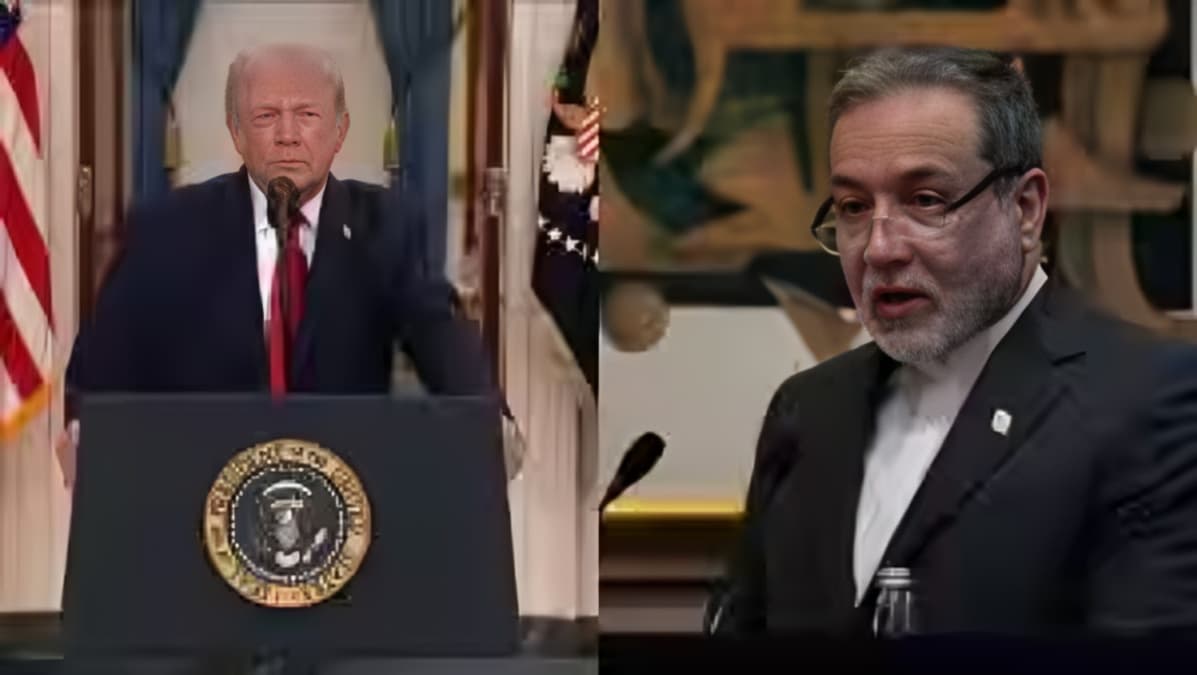
United States President Donald Trump has indicated that diplomatic engagement with Iran remains under consideration despite ongoing tensions. Political analysts suggest that negotiations, if pursued, could play an important role in easing regional instability and addressing long-standing disputes.
The international community continues to monitor developments closely as governments evaluate the security, economic, and diplomatic implications of the evolving situation. The coming days are expected to be critical in determining whether regional tensions continue to rise or whether diplomatic initiatives succeed in reducing the risk of further confrontation.