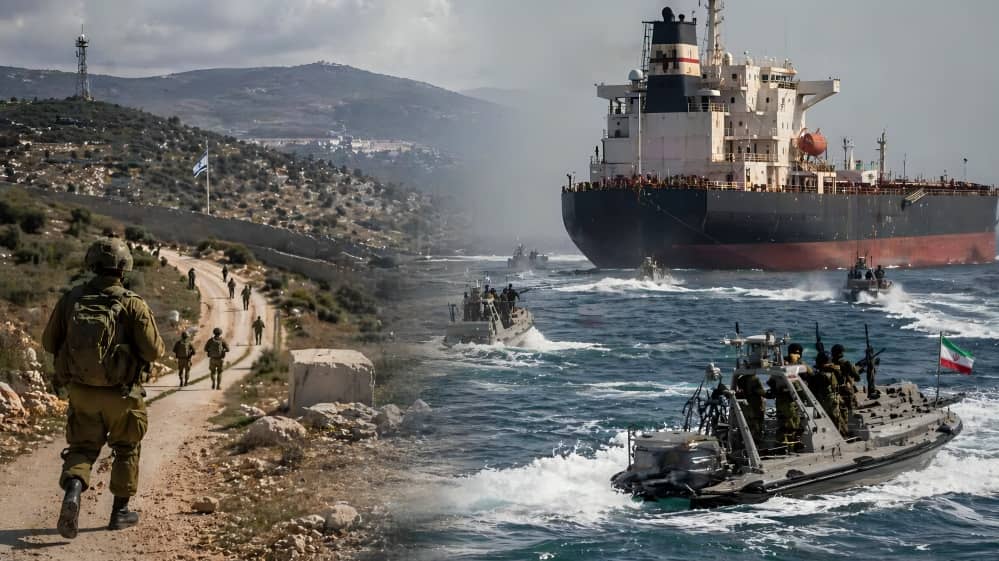
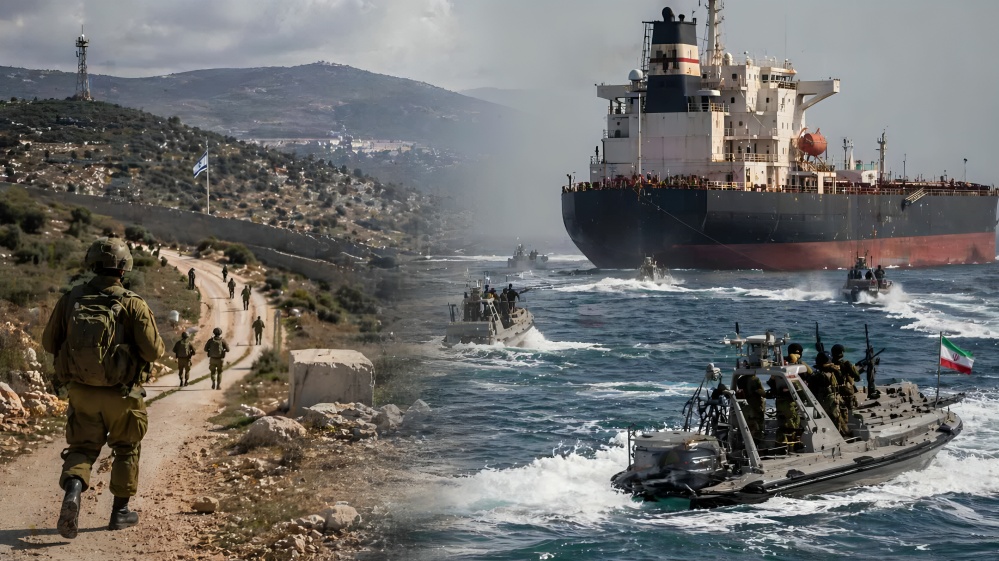
The crisis in the Middle East intensified significantly as fresh military developments, maritime security concerns, and growing diplomatic tensions raised fears of a broader regional conflict. Reports of one vessel being captured and another destroyed near the Strait of Hormuz have added to concerns over global energy security and international trade stability.
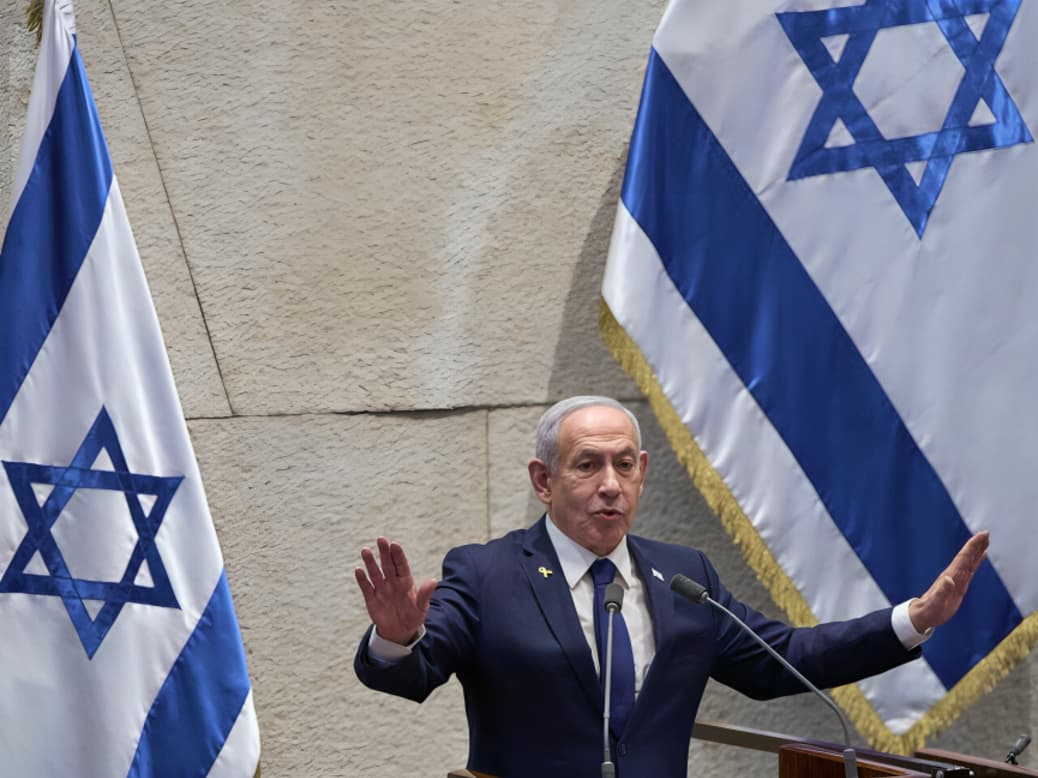
The latest developments come amid escalating clashes involving Hezbollah and Israeli forces, along with continued violence in Gaza and heightened tensions in Jerusalem. Military exchanges in southern Lebanon and other border regions have further increased fears that the ongoing conflict could spread beyond its current boundaries.
The Strait of Hormuz has become a major focus of international concern because it serves as one of the world’s most important maritime routes for oil and gas transportation. A significant portion of global crude oil supplies passes through the narrow waterway each day. Any disruption in the region has the potential to affect international fuel prices, shipping operations, and economic stability worldwide.
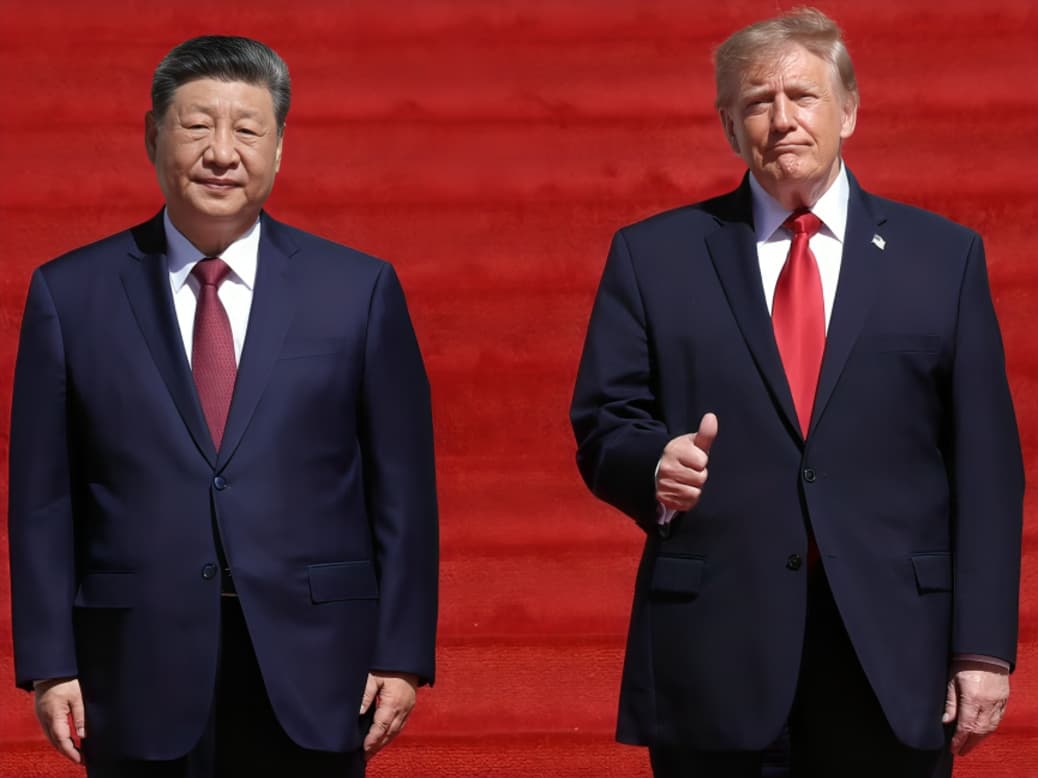
Reports indicate that former United States President Donald Trump and Chinese President Xi Jinping discussed the importance of keeping the Strait of Hormuz open for international trade and energy transportation. The discussions reportedly reflected growing global concern about the economic impact of prolonged instability in the Gulf region.
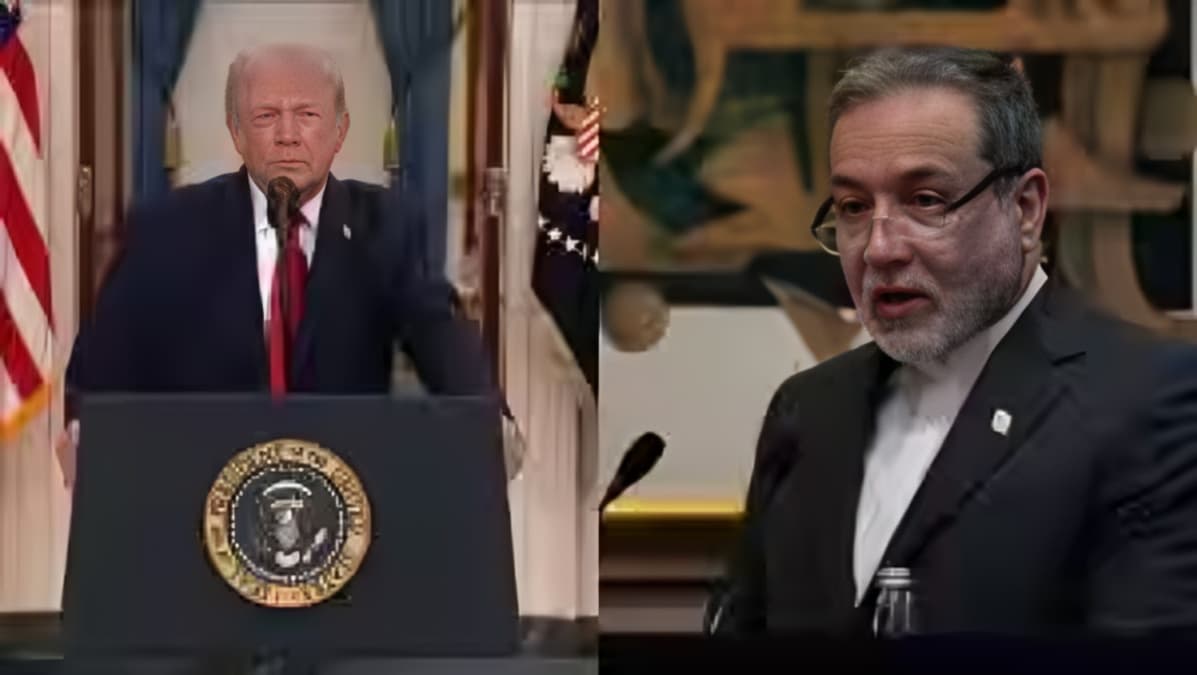
Meanwhile, Iran has reportedly urged BRICS nations to condemn what it described as unlawful military aggression involving the United States and Israel. Diplomatic divisions among global powers have continued to deepen as countries take differing positions on the evolving conflict and regional security situation.
Israeli military operations in Gaza and Lebanon have remained at the center of international attention. Humanitarian concerns are also increasing as violence continues to affect civilian populations and infrastructure in multiple areas. International organisations and several governments have repeatedly called for restraint, dialogue, and humanitarian assistance for affected communities.
Global energy markets have reacted cautiously to the latest developments, with analysts warning that further escalation in the region could disrupt oil supplies and increase shipping insurance and transportation costs. Countries heavily dependent on imported energy, including major Asian economies, are closely monitoring the situation.
Security experts note that tensions involving regional armed groups, strategic maritime routes, and major international powers create a highly sensitive geopolitical environment. Continued instability in West Asia could affect not only regional security but also global trade flows and economic conditions.
Diplomatic efforts aimed at reducing tensions remain ongoing, although disagreements among international stakeholders continue to complicate negotiations. Several countries have emphasised the importance of maintaining freedom of navigation and preventing the conflict from expanding further.
The current situation has once again highlighted the strategic importance of the Middle East in global politics, energy markets, and international security. Analysts believe that unless diplomatic channels succeed in reducing tensions, the risk of a prolonged regional crisis may continue to grow.
As military operations and diplomatic discussions continue, governments and international organisations are expected to closely monitor developments in the coming days due to the potential global economic and security implications of the conflict.