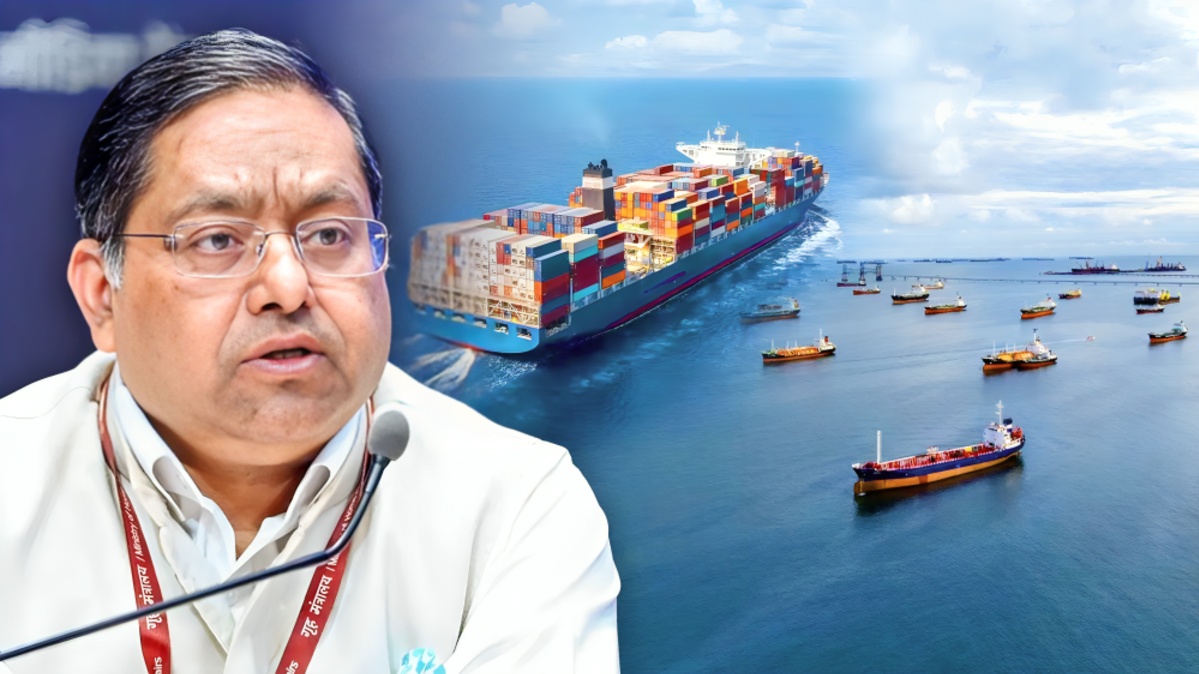
Security concerns in the Strait of Hormuz continue to remain a focus for maritime authorities as tensions in the region persist. According to available information, nine Indian merchant vessels carrying 198 Indian seafarers are currently operating in the Persian Gulf, with authorities closely monitoring developments to ensure the safety of ships and crew members.
The Strait of Hormuz is one of the world's most important maritime trade routes, serving as a key passage for global energy supplies and commercial shipping. A significant portion of the world's crude oil and liquefied natural gas shipments passes through this narrow waterway, making stability in the region essential for international trade and energy markets.
In view of the evolving security situation, Indian authorities are maintaining regular contact with shipping companies, vessel operators and other relevant agencies. Monitoring mechanisms have been strengthened to keep track of vessel movements and ensure that Indian crew members receive timely updates regarding navigation and safety procedures.
Officials have indicated that the safety and welfare of Indian seafarers remain a priority. Government agencies are coordinating with maritime stakeholders and international partners to monitor developments and respond appropriately if conditions change. Shipping companies are also expected to follow international maritime safety guidelines and advisories issued for the region.
The Indian merchant fleet regularly operates in international waters, including the Persian Gulf, because of the region's importance to global trade. Commercial vessels transporting crude oil, petroleum products, liquefied natural gas and other cargo frequently pass through the Strait of Hormuz as part of international shipping operations.
Maritime experts note that shipping companies continuously assess security conditions before planning vessel movements. Risk assessments, route planning and communication with naval authorities form an important part of ensuring safe navigation through sensitive maritime areas.
The Strait of Hormuz has witnessed periodic security concerns over the years due to geopolitical developments in the region. During such situations, governments, shipping operators and international maritime organisations typically increase surveillance and issue navigational advisories to minimise potential risks to commercial vessels.
India has one of the world's largest communities of professional seafarers serving on merchant ships across international waters. The government regularly monitors the safety of Indian nationals working in global shipping and remains in contact with shipping companies during periods of heightened regional tension.
Officials have not reported any immediate threat to the Indian vessels currently operating in the Persian Gulf. However, they continue to monitor the situation closely and remain prepared to take appropriate measures if circumstances require additional action.
Industry experts have observed that uninterrupted maritime traffic through the Strait of Hormuz remains important not only for regional economies but also for global energy security and international commerce. Any disruption in shipping activity could have wider implications for supply chains and energy markets around the world.
As security developments continue to evolve, Indian authorities are expected to maintain close coordination with international maritime agencies, diplomatic missions and shipping operators to ensure the safety of Indian vessels and seafarers. Further updates are likely to be issued through official channels as the situation develop