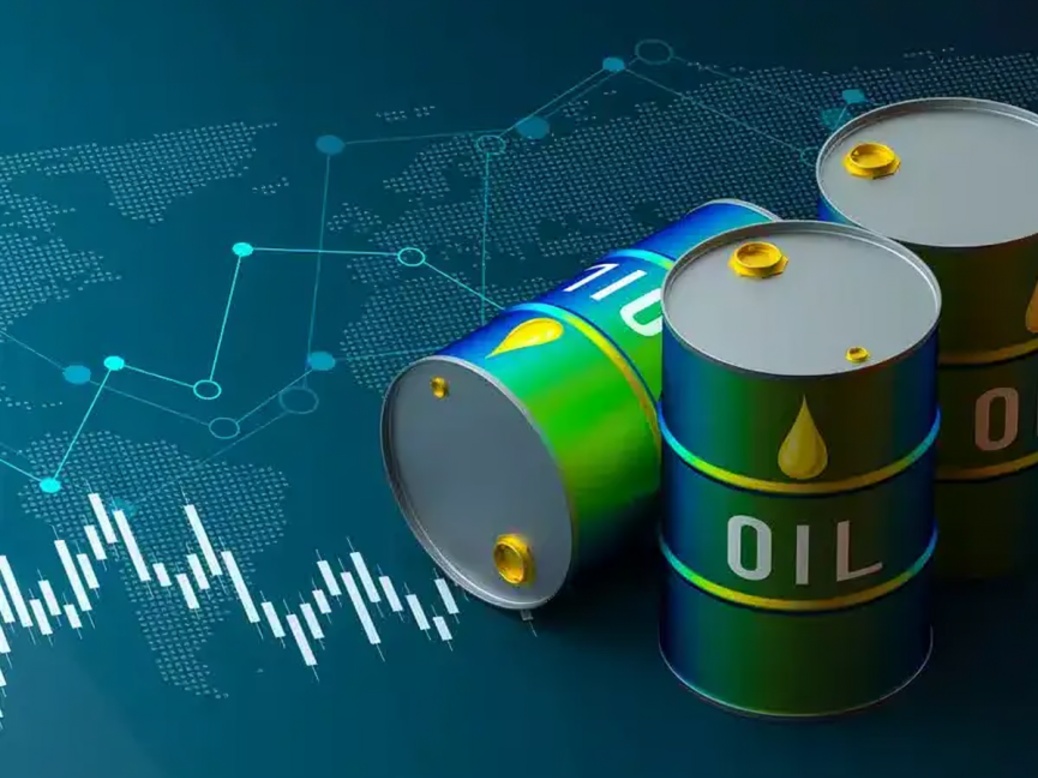
Global crude oil prices recorded a sharp decline of approximately 7 percent on Monday after the United States paused its military strikes on Iran, easing market concerns over a possible disruption to oil supplies from the Middle East. The development was viewed by investors as a sign of reduced immediate geopolitical risk, leading to a broad sell-off in crude oil futures.
Energy markets had experienced significant volatility in recent weeks due to heightened tensions involving Iran and concerns that any escalation could threaten oil production or shipping routes in one of the world's most important energy-producing regions. The announcement of a pause in military operations helped improve market sentiment and reduced fears of a wider regional conflict affecting global oil supplies.
Despite the decline in oil prices, regional tensions remain elevated. Houthi forces reportedly claimed responsibility for new attacks targeting Saudi Aramco facilities. While the claims have added to ongoing security concerns, traders appeared to focus more on the temporary easing of direct military tensions between the United States and Iran.
The Middle East plays a crucial role in global energy markets, accounting for a significant share of worldwide crude oil production and exports. Any disruption involving major producers or key shipping routes can have an immediate impact on international crude prices. As a result, developments in the region continue to be closely monitored by governments, energy companies and financial markets.
Market analysts noted that the pause in military operations reduced the immediate risk premium that had been built into oil prices during the period of heightened tensions. Investors generally add a geopolitical risk premium to crude prices when there are concerns that conflicts could interrupt production, damage energy infrastructure or affect maritime transport.
Although prices declined sharply, analysts cautioned that volatility could continue if regional tensions escalate again. Any renewed military activity, attacks on energy infrastructure or disruptions to shipping through strategic waterways could quickly influence global oil markets.
Saudi Arabia remains one of the world's largest crude oil exporters, and Saudi Aramco operates some of the most significant oil production facilities globally. Any reported attacks involving the country's energy infrastructure are closely watched because of their potential impact on production and international supply chains.
Financial markets also responded positively to signs of reduced geopolitical uncertainty, with investors shifting attention back to broader economic indicators, global demand forecasts and central bank policies. Oil prices continue to be influenced by multiple factors, including production decisions by major exporting countries, global economic growth and changes in energy demand.
Energy experts emphasized that while the current decline reflects improved short-term market sentiment, long-term price movements will depend on future geopolitical developments and the stability of oil production across the region. Continued diplomatic efforts aimed at reducing tensions could contribute to greater market stability in the coming weeks.
Global energy markets are expected to remain sensitive to developments in the Middle East, with investors closely monitoring official statements from governments, military developments and production updates from major oil-producing nations.