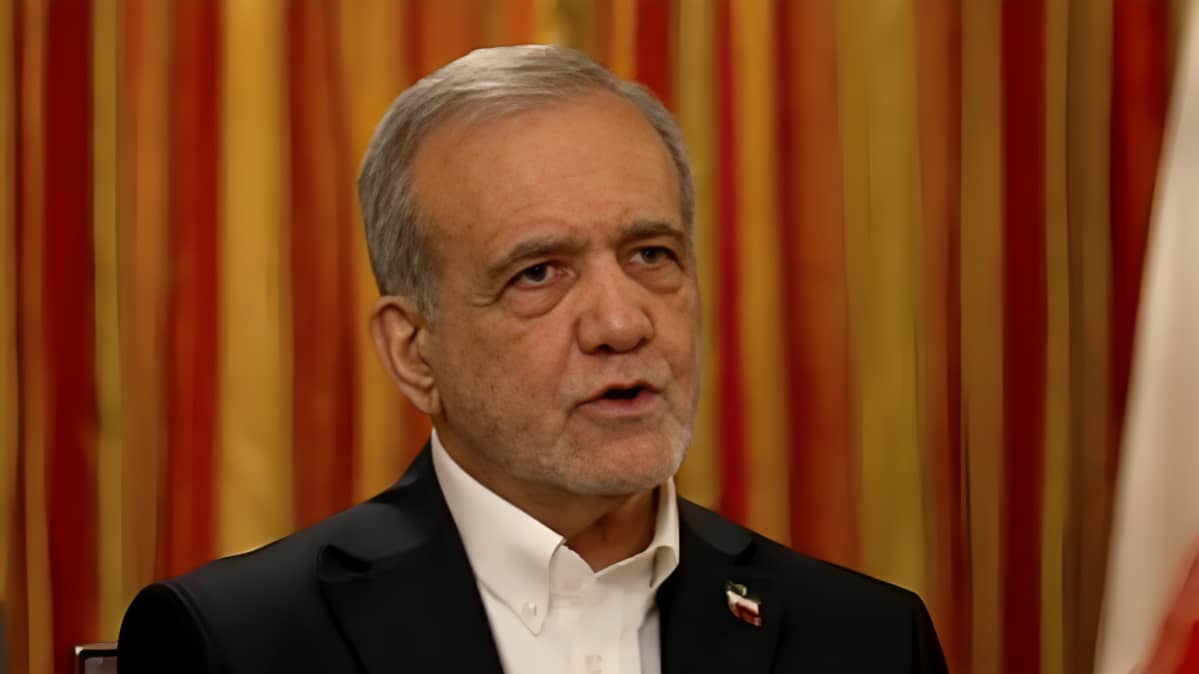
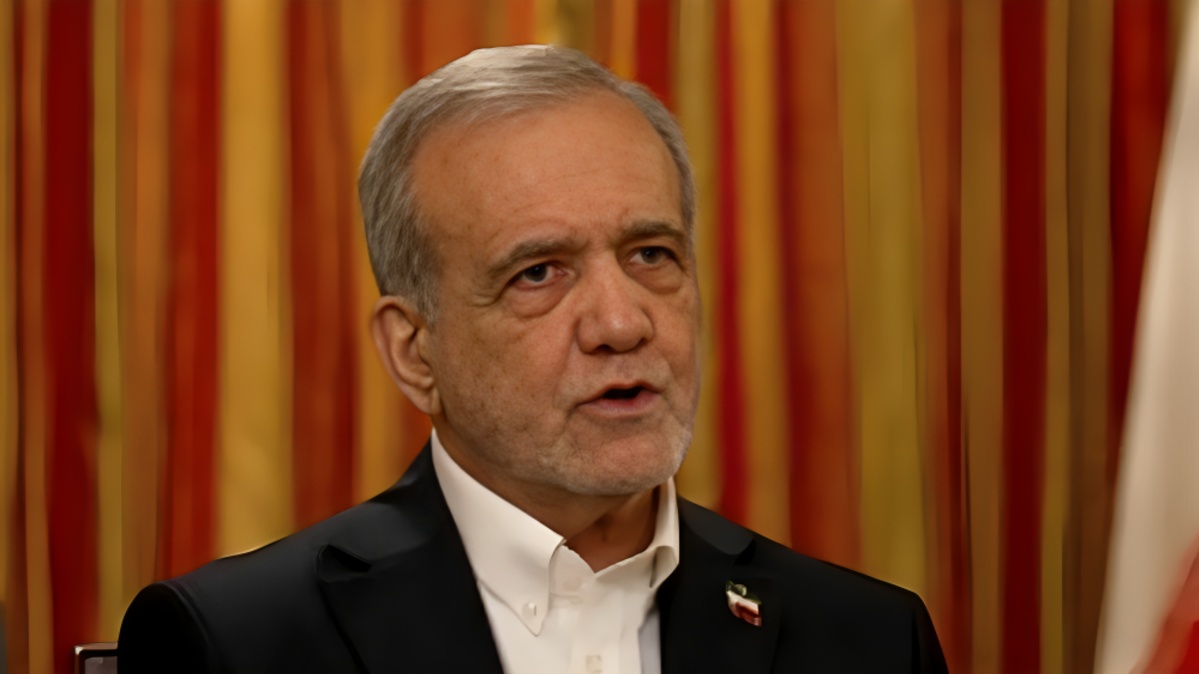
Iranian President Masoud Pezeshkian has said Tehran is prepared to allow United Nations nuclear inspectors to return to Iran if arrangements can be reached through negotiations with the United States.
The statement comes amid renewed diplomatic efforts between Iran and the United States, with the Strait of Hormuz and Iran’s nuclear programme emerging as two major issues in discussions between the two countries.
In an interview with CBS News, Pezeshkian said Iran would be prepared to allow nuclear inspections if the United States accepts Tehran’s latest proposal concerning the Strait of Hormuz. He indicated that specific arrangements for inspections could be negotiated between the relevant parties.
Pezeshkian’s comments came after Iran presented a proposal aimed at reopening the Strait of Hormuz and restarting negotiations with Washington. According to recent reporting, Iran has proposed a seven day process for reopening the strategic waterway and resuming talks over its nuclear programme if the United States agrees to conditions put forward by Tehran.
The Strait of Hormuz is one of the world's most important energy shipping routes. Any prolonged disruption in the waterway can have consequences for international oil transportation, fuel prices and global trade. The situation has therefore attracted close attention from governments and markets around the world.
Pezeshkian said Iran would abide by commitments reached through an agreement if Washington accepts the Iranian proposal. However, his comments also highlighted the significant mistrust that exists between the two countries.
According to CBS News, Pezeshkian described the relationship between Iran and the United States as being marked by an atmosphere of distrust. He questioned whether future American commitments would be honoured, referring to previous agreements and military actions involving Iran.
The Iranian president's remarks reflect the difficult diplomatic environment surrounding the current negotiations. Although both sides have indicated an interest in resolving some issues through diplomacy, major disagreements remain over Iran's nuclear activities, sanctions, military pressure and control of the Strait of Hormuz.
Iran has repeatedly maintained that its nuclear programme is intended for peaceful purposes. Pezeshkian again rejected the idea that Iran is seeking to develop nuclear weapons. He also referred to Iran's religious position against nuclear weapons during the CBS interview.
At the same time, Iran's nuclear programme has been a longstanding source of tension with Western countries. International governments have sought assurances and verification regarding Iran's nuclear activities, while Tehran has argued that it has the right to pursue peaceful nuclear technology.
The International Atomic Energy Agency has played a central role in monitoring Iran's nuclear activities. Access for international inspectors has become a particularly sensitive issue during the recent conflict and diplomatic disputes.
Pezeshkian's latest statement could therefore become an important element in any future negotiations. He told CBS that if inspectors wanted to enter Iran, Tehran could negotiate specific arrangements and agreements concerning inspections.
However, his comments do not by themselves represent a completed agreement between Iran, the United States and international nuclear authorities. Any inspection arrangement would require further negotiations and clarification of the conditions under which inspectors could operate.
The Strait of Hormuz is another major part of the diplomatic discussions. Iran has proposed reopening the waterway under specific conditions, while the United States has raised objections to restrictions on international shipping.
According to CBS News, the Iranian proposal involves reopening the Strait of Hormuz after a seven day period and restarting negotiations aimed at reaching a broader agreement on Iran's nuclear programme. Washington had not accepted the proposal at the time of the report.
Earlier Reuters reporting also said that an Iranian official had described Tehran as ready to reopen the Strait within seven days if the United States reduced military pressure and lifted its blockade on Iranian ports. The proposal was reportedly delivered to the United States through mediators.
The issue has wider international significance because the Strait of Hormuz connects the Persian Gulf with the Gulf of Oman and is a major route for energy shipments. Any restrictions affecting commercial shipping through the area could influence oil supplies and transportation costs.
The latest diplomatic developments have taken place during the United Nations General Assembly in New York, where Iranian officials have been seeking opportunities to communicate their position to the international community.
Pezeshkian has also indicated that a direct meeting with US President Donald Trump would be difficult because of the level of distrust between the two governments. According to CBS News, he questioned whether agreements reached with Washington would be implemented as promised.
The United States and Iran have a long history of disagreements over Tehran's nuclear programme, sanctions and regional security. Previous diplomatic efforts have produced agreements as well as breakdowns, making trust a central issue in any new negotiations.
The current proposal attempts to connect several issues that have become intertwined during the latest conflict. Iran is seeking changes relating to the Strait of Hormuz and broader military pressure, while the United States has continued to focus on Iran's nuclear programme and regional security concerns.
Pezeshkian's offer regarding nuclear inspections could provide a possible avenue for renewed international monitoring if formal negotiations progress. At the same time, the exact scope, timing and conditions of any future inspections remain to be negotiated.
The latest statements should therefore be viewed as part of an ongoing diplomatic process rather than as confirmation of a final nuclear agreement. Iran and the United States still face major differences over sanctions, military actions, nuclear activities and maritime security.
For now, Pezeshkian's comments indicate that Tehran is presenting nuclear inspections as one possible component of a wider negotiated arrangement. Whether the United States accepts Iran's proposal on the Strait of Hormuz and whether the two sides can rebuild sufficient trust for broader negotiations remain key questions in the coming days.
The developments are being closely watched internationally because progress in the talks could affect not only Iran's nuclear programme but also security in the Middle East, international shipping through the Strait of Hormuz and global energy markets.