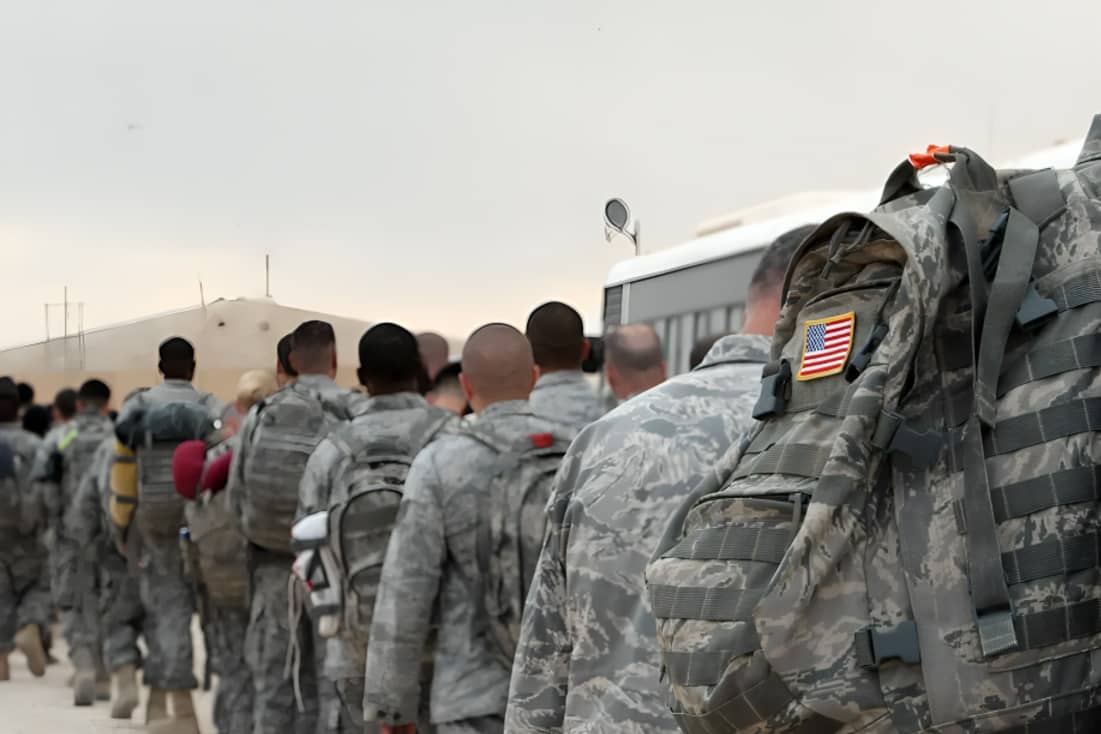
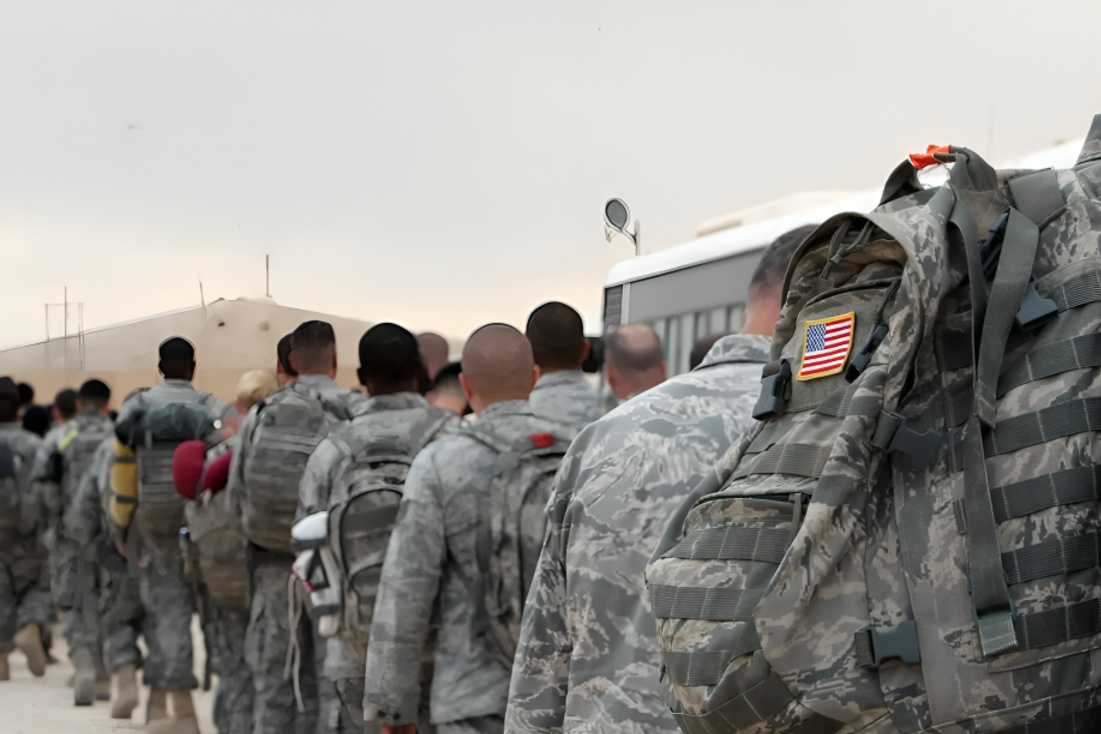
The United States is preparing to complete the withdrawal of its remaining military forces from Iraq by September 30, marking an important change in the security relationship between Washington and Baghdad.
The withdrawal is part of an agreement between Iraq and the United States to end the US led international coalition's military mission against the Islamic State group in Iraq. Iraqi Prime Minister Ali al Zaidi has repeatedly described September 30 as the fixed and final date for completing the departure of coalition forces.
The US military presence in Iraq has undergone several major changes since the 2003 US led invasion. American forces initially entered Iraq in large numbers during the war that removed Saddam Hussein from power. The US military presence later declined substantially, with American combat troops leaving Iraq in 2011.
The rise of ISIS in 2014 led to the return of US forces to Iraq after the Iraqi government requested international assistance. The US and its coalition partners supported Iraqi security forces through training, intelligence, air support and other counterterrorism operations. The coalition later reduced its combat role as Iraqi forces regained control of territory previously held by ISIS.
Under the agreement reached by Washington and Baghdad, the coalition's military mission against ISIS in Iraq has been winding down. The remaining US personnel have gradually withdrawn from several locations, with the final phase focused on completing the departure of forces from northern Iraq and other remaining positions.
US officials have confirmed that the withdrawal is expected to be completed by September 30. The remaining personnel are expected to be redeployed outside Iraq, including to other locations in the region. US military equipment and air defense systems are also being removed as part of the broader reduction in the American military presence.
For Baghdad, the withdrawal represents a transition toward greater responsibility for the country's security. Iraqi security forces, including federal forces and security forces in the Kurdistan Region, are expected to take the leading role in countering terrorist threats inside Iraq.
The end of the coalition's military mission does not necessarily mean that Iraq and the United States will end security cooperation. Officials have indicated that future relations could involve a normal bilateral security partnership rather than a large foreign military deployment.
The change is significant because the US military has maintained a presence in Iraq for many years. The current withdrawal therefore represents the conclusion of another phase of the long US military involvement in the country.
At the same time, Baghdad faces another major security issue involving armed groups operating outside direct government control.
The Iraqi government has been seeking to bring weapons held by non state armed groups under the authority of the state. The issue is particularly sensitive because several powerful armed factions have political and military influence inside Iraq.
Earlier plans had linked September 30 to efforts to bring weapons under state control. However, recent reports indicate that the timetable for militia disarmament has become uncertain. A senior adviser to Prime Minister Ali al Zaidi said there was no fixed deadline for the committee responsible for addressing the issue, while September 30 remains the deadline for the withdrawal of US led coalition forces.
This distinction is important because the two developments are related but are not the same process.
Some armed groups have resisted calls to surrender their weapons. Reports indicate that several Iran backed factions have argued against giving up their military capabilities, creating a difficult political and security challenge for the Iraqi government.
The issue has become more complicated because of wider tensions involving the United States and Iran. Iraqi territory has been affected by regional tensions, while US forces and facilities have faced security risks. Washington has therefore been seeking to reduce the exposure of its remaining troops while continuing diplomatic and security relations with Baghdad.
The withdrawal is also being viewed in Iraq as a step toward greater national sovereignty. Iraqi authorities have announced preparations to mark October 1 as a new phase following the completion of the foreign military withdrawal. Prime Minister Ali al Zaidi has called for government institutions and provinces to prepare for events marking what officials describe as Iraq's Sovereignty Day.
The future security arrangement between Iraq and the United States is expected to focus more heavily on bilateral cooperation rather than a large scale coalition military deployment. Iraq will increasingly depend on its own security institutions to deal with terrorism and other threats.
Analysts have also raised questions about whether the withdrawal could create new security or political challenges. The presence of armed groups with independent military capabilities remains one of the central issues facing Baghdad as it seeks to strengthen state authority.
The US withdrawal therefore comes at a complicated moment for Iraq. On one side, the country is preparing for the conclusion of the coalition's military mission and a larger role for Iraqi security forces. On the other, the government must address the question of weapons held by powerful armed factions and manage relations with regional powers.
The September 30 deadline is expected to mark the end of the current US led military mission in Iraq, but it will not mark the end of the broader relationship between the two countries.
The next phase will focus on how Iraq manages its own security responsibilities, how it deals with armed groups and how Baghdad and Washington develop their future security cooperation.
For Iraq, the withdrawal represents a major transition after years of foreign military involvement. The success of the next phase will depend on the ability of Iraqi institutions to maintain security, strengthen state authority and manage competing political and regional interests without creating further instability.