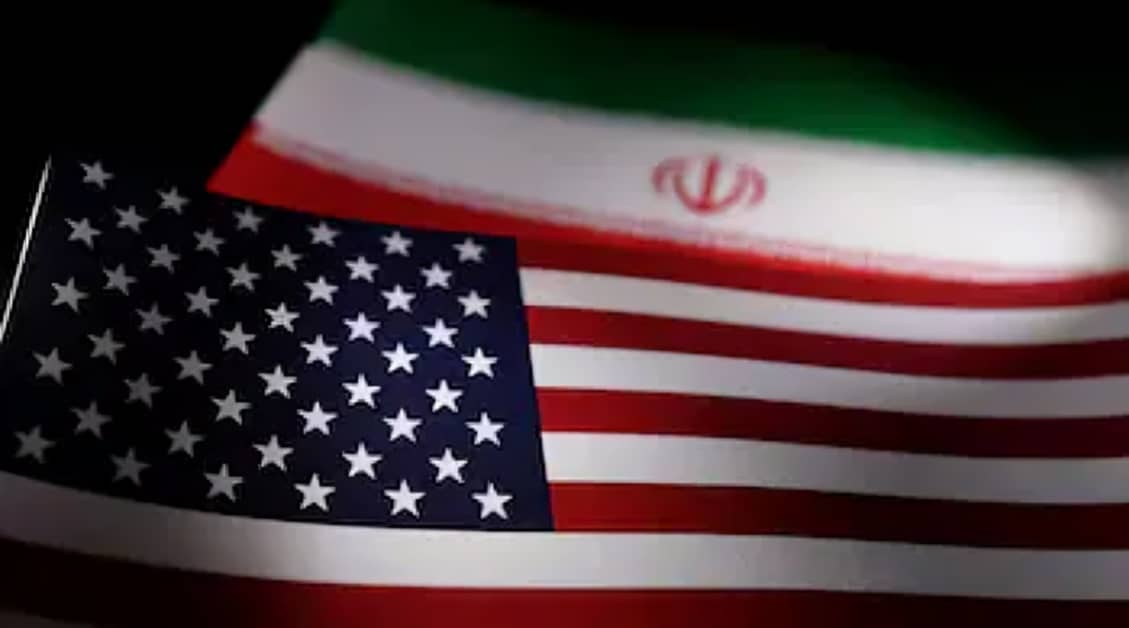

A proposed $300 billion private investment fund has become a focal point in discussions surrounding a reported peace framework involving the United States and Iran. According to media reports, the fund is being considered as a mechanism to support economic development, encourage international investment and promote long term stability in the region.
The proposal reportedly forms part of wider diplomatic efforts aimed at reducing tensions between Washington and Tehran. While discussions surrounding the framework remain at a preliminary stage, the investment fund has attracted significant attention because of its scale and potential economic impact.
According to reports, the proposed fund would seek to mobilise private sector capital rather than relying solely on direct government financing. The objective would be to support infrastructure projects, industrial development, technology initiatives and other sectors that could contribute to economic growth and employment opportunities within Iran.
Supporters of the proposal argue that economic engagement can play an important role in strengthening diplomatic relationships and reducing long standing tensions. They believe that improved economic conditions may help create incentives for greater international cooperation while providing benefits for businesses, investors and local communities.
The reported proposal comes amid ongoing international discussions concerning regional security, nuclear non proliferation and economic sanctions. Over the years, relations between the United States and Iran have been shaped by a combination of diplomatic negotiations, economic restrictions and security concerns. Various international initiatives have sought to establish frameworks that balance regional stability with economic development.
Analysts note that large scale investment programmes have often been used as part of broader peace and reconstruction efforts in different regions around the world. Such initiatives are generally designed to encourage economic growth, attract foreign investment and support long term development goals. However, experts also point out that implementing a fund of this magnitude would require extensive planning, regulatory oversight and international cooperation.
The proposal has generated discussion among economists and foreign policy specialists regarding its potential benefits and challenges. Supporters suggest that increased investment could modernise infrastructure, improve industrial productivity and create employment opportunities. Critics, however, caution that significant political and regulatory hurdles would need to be addressed before such a programme could be implemented successfully.
Financial experts have also highlighted the importance of transparency, governance and investor confidence in any large international investment initiative. They note that the effectiveness of the proposed fund would depend on clear operational guidelines, legal protections and sustained diplomatic engagement between all parties involved.
Regional observers believe that any economic framework linked to a broader peace agreement would likely be evaluated not only on financial grounds but also on its ability to contribute to lasting stability and cooperation. The success of such initiatives often depends on the willingness of participating countries and institutions to maintain constructive dialogue over an extended period.
At present, no formal agreement has been publicly announced, and details regarding the structure, funding mechanisms and implementation timeline of the reported investment fund remain limited. Nevertheless, the proposal has become an important topic of discussion in international diplomatic and economic circles.
If advanced, the initiative could represent one of the largest privately backed economic engagement programmes associated with a modern diplomatic framework, highlighting the growing role of economic incentives in international peace and development efforts.