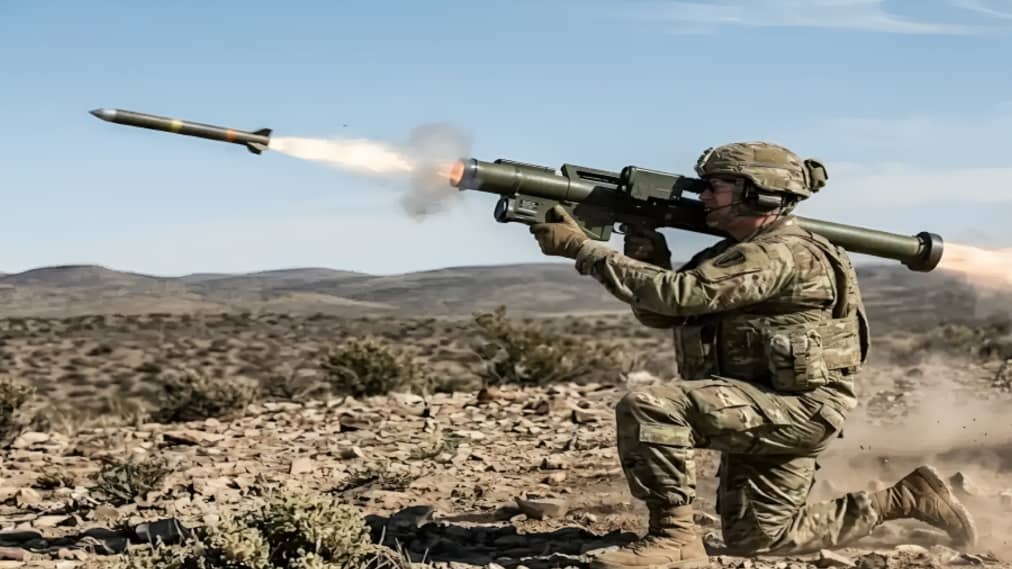
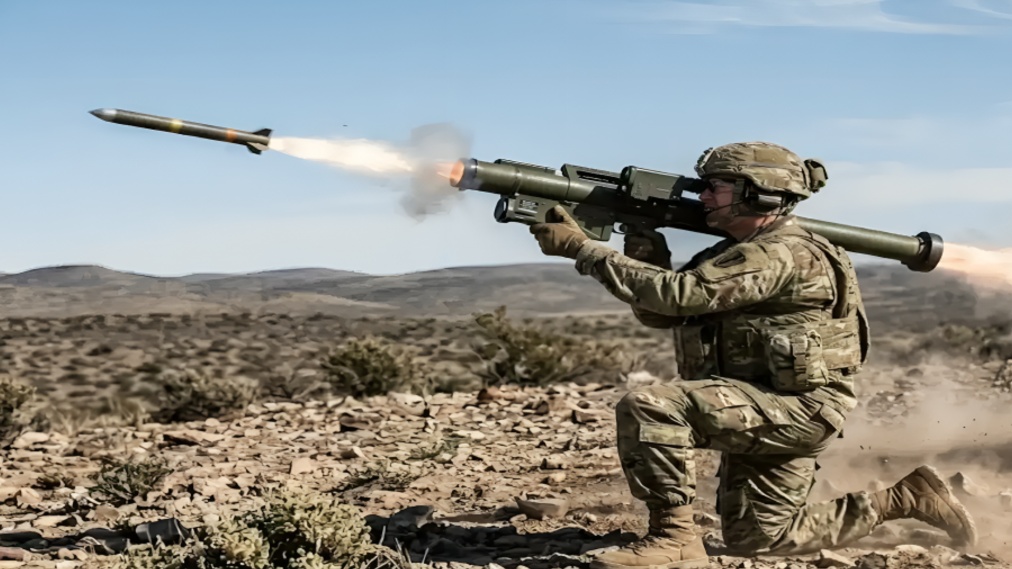
Iran is reportedly set to receive approximately 400 Chinese-made air defence missiles in the coming weeks as part of its broader efforts to modernise and strengthen its military capabilities. According to multiple media reports, the proposed defence package is estimated to be worth up to $70 million and is intended to reinforce Iran's air defence systems amid ongoing regional security challenges.
The reported acquisition comes after a period of heightened tensions involving Iran, Israel, and the United States. While reports have linked the procurement to Iran's efforts to rebuild and strengthen its military readiness, there has been no official confirmation from the governments of Iran or China regarding the reported missile transfer.
According to the reports, the air defence missiles are expected to enhance Iran's ability to detect and respond to potential aerial threats. Modern air defence systems are designed to intercept aircraft, unmanned aerial vehicles, and certain categories of missiles, forming an important component of a country's overall defence strategy.
Iran has invested significantly in expanding its domestic defence industry over the past several years while also seeking to modernise its military equipment. The country has repeatedly stated that strengthening its defensive capabilities is necessary to protect its national sovereignty and territorial integrity. Iranian officials have consistently maintained that their military programme is defensive in nature.
China remains one of Iran's important economic and diplomatic partners. The two countries have strengthened cooperation in areas including trade, infrastructure, energy, and strategic dialogue. However, defence-related cooperation between the two nations often attracts international attention due to its potential implications for regional security and geopolitical stability.
Military analysts note that any significant transfer of advanced defence equipment in the Middle East is closely monitored by regional governments and the international community. Developments involving missile systems and air defence capabilities can influence defence planning and strategic assessments across the region.
At present, independent verification of the reported missile delivery remains limited. Neither the Chinese Ministry of National Defense nor the Iranian Ministry of Defense has publicly announced such an agreement. As a result, the reported procurement should be viewed as unconfirmed until official statements or supporting evidence are released.
The reports emerge amid continuing concerns over security in the Middle East, where several countries have increased defence spending and military preparedness in response to evolving regional dynamics. Air defence systems have become an increasingly important area of investment as governments seek to strengthen protection against aerial threats and missile attacks.
Defence experts point out that international arms transfers are often subject to diplomatic considerations, export regulations, and strategic negotiations. Any confirmed agreement involving advanced military equipment may have broader implications for regional security, international relations, and defence policy.
The reported development is expected to remain under close observation as governments, defence analysts, and international organizations monitor official announcements from the countries involved. Until then, the reported delivery of Chinese-made air defence missiles to Iran remains based on media reports and has not been independently confirmed by the relevant authorities.