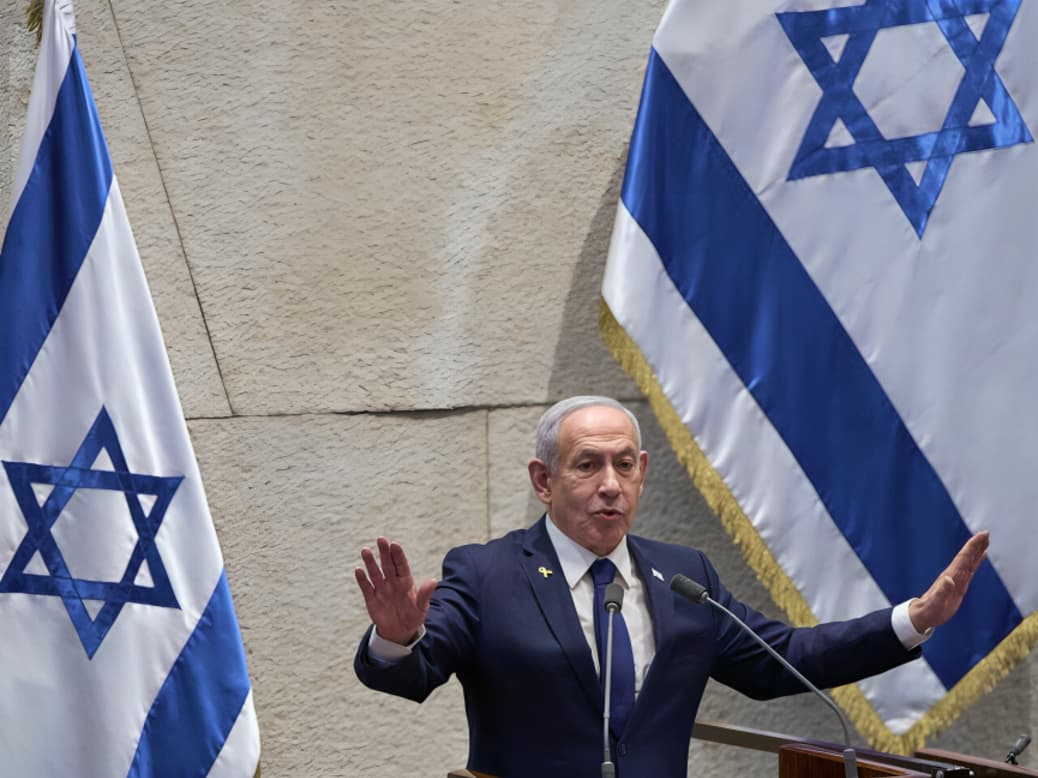
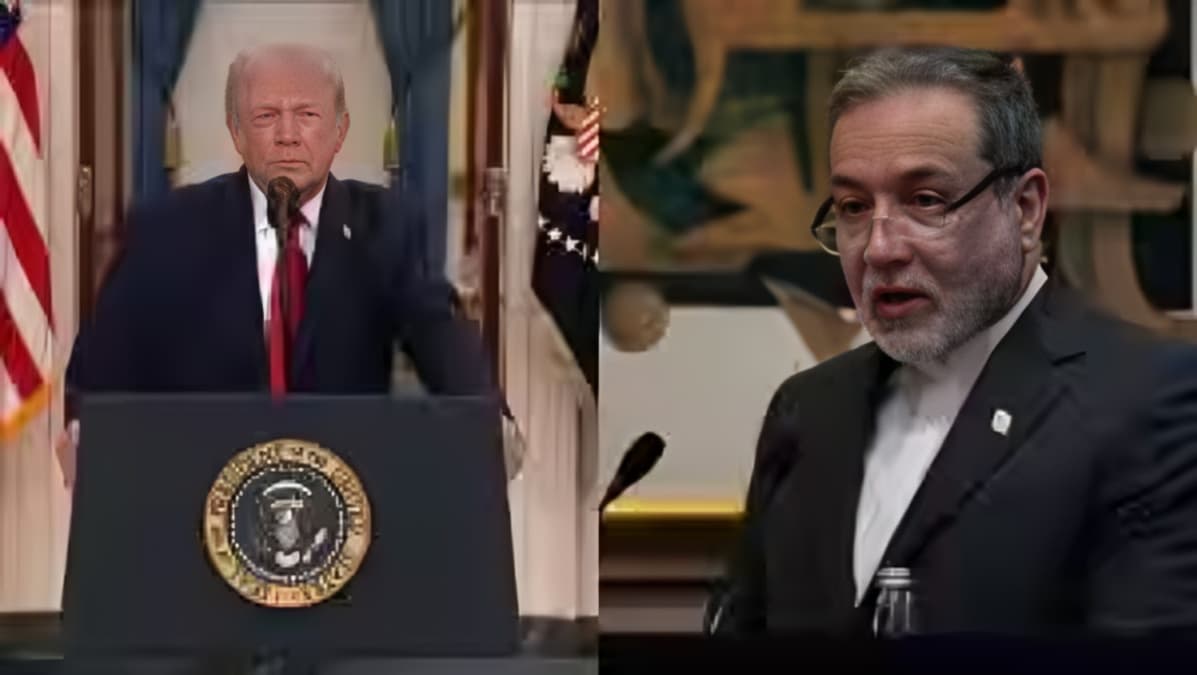
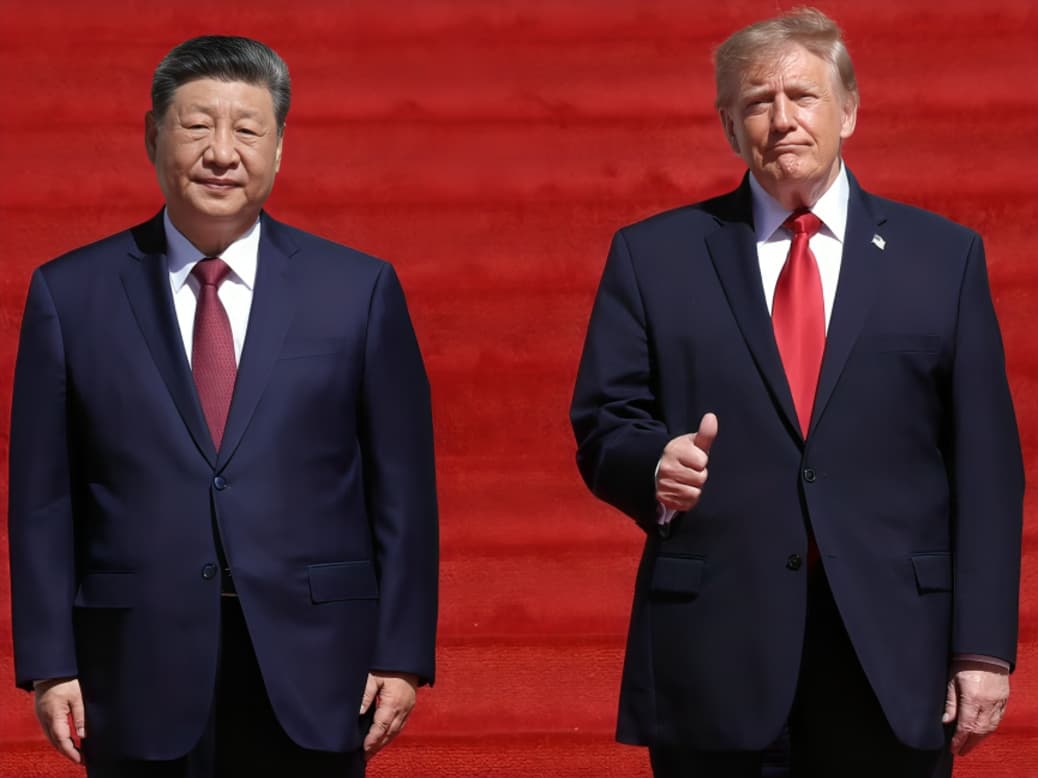
Recent media reports have suggested that some officials within the administration of US President Donald Trump have expressed dissatisfaction over assurances reportedly provided by Israeli Prime Minister Benjamin Netanyahu concerning developments related to the Iran conflict. According to the reports, discussions have emerged regarding expectations about the progress and outcomes of military operations in the region.
The reported concerns remain based on media sources, and there has been no official confirmation from either the White House or the Office of the Israeli Prime Minister regarding the existence of any disagreement. Neither government has publicly acknowledged differences over military planning or diplomatic coordination.
The United States and Israel have maintained a close strategic partnership for decades, with cooperation spanning defence, intelligence sharing, regional security, and diplomatic engagement. During periods of heightened regional tensions, senior officials from both countries regularly hold consultations on security developments and foreign policy priorities.
The reported discussions reportedly relate to assessments of military operations involving Iran and expectations regarding their strategic impact. According to the reports, some US officials believed that certain objectives outlined before the operations had not progressed as anticipated. However, the precise nature of those discussions has not been officially disclosed.
Governments frequently review military operations through internal consultations involving defence officials, intelligence agencies, and political leadership. Such reviews are considered a routine part of national security decision making and do not necessarily indicate a change in the broader strategic relationship between allied countries.
The Iran conflict has remained one of the most significant issues affecting security in the Middle East. Rising regional tensions have prompted diplomatic engagement among several international partners seeking to prevent further escalation and maintain regional stability.
The United States has consistently reaffirmed its commitment to Israel's security while also emphasizing the importance of regional peace and stability. At the same time, US officials have continued diplomatic efforts with regional and international partners to address evolving security challenges through dialogue and coordinated policy measures.
Israel has maintained that its military and security operations are intended to protect national security and respond to perceived threats. Israeli officials have repeatedly stated that operational decisions are based on assessments made by the country's defence establishment and national leadership.
Political analysts note that discussions between allied governments over military assessments are not unusual during complex international conflicts. Strategic partners often exchange differing evaluations regarding operational progress, intelligence assessments, and future policy options while continuing broader cooperation.
As of now, no official documents or statements have confirmed the reported dissatisfaction described in media coverage. The reports therefore remain unverified beyond the published accounts, and any conclusions regarding policy differences should be viewed in that context.
Observers expect both governments to continue close diplomatic and security consultations as developments in the Middle East evolve. Future official statements from Washington or Jerusalem may provide greater clarity regarding the issues raised in the reports and the direction of bilateral cooperation.