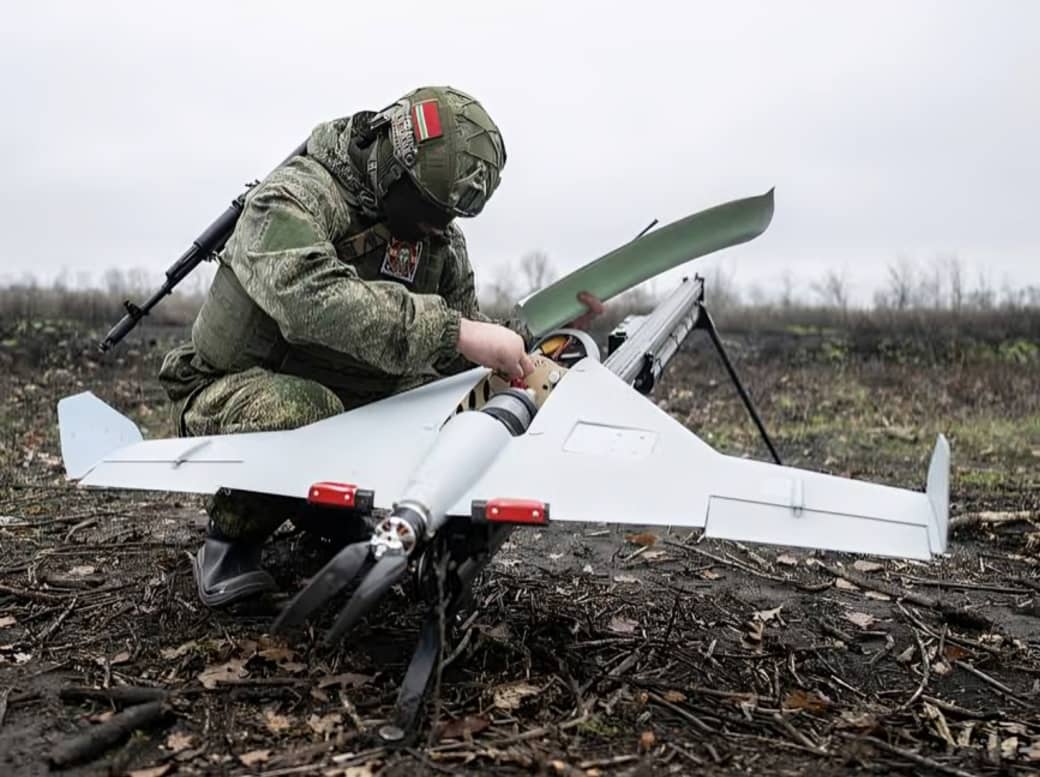

Russia has claimed that its air defence systems intercepted nearly 64000 Ukrainian fixed wing drones during the first half of 2026. The figures were compiled by Russian state news agency RIA Novosti based on information released by Russian authorities. The reported statistics have not been independently verified, and no official confirmation has been issued by Ukraine regarding the numbers.
According to the Russian data, air defence units responded to thousands of drone operations during the first six months of the year. Officials stated that the intercepted drones were detected across multiple regions and that air defence systems were continuously engaged in countering aerial threats linked to the ongoing conflict.
The use of unmanned aerial vehicles has become a significant feature of the conflict between Russia and Ukraine. Both countries have increasingly relied on drones for reconnaissance, surveillance, intelligence gathering, and precision strikes on military infrastructure. As drone technology has evolved, both sides have expanded investments in air defence capabilities and electronic warfare systems.
Russian authorities maintain that their integrated air defence network has been strengthened to counter a growing number of drone operations. They have stated that various missile defence systems, radar networks, and electronic countermeasure technologies have been deployed to detect and neutralize aerial threats.
Ukraine has regularly reported conducting drone operations targeting military facilities and logistics infrastructure inside Russian controlled territory. However, Ukrainian officials generally do not comment in detail on individual operations or provide comprehensive statistics regarding the number of drones launched during military activities.
Independent verification of battlefield claims made by either Russia or Ukraine remains difficult because of the ongoing conflict and restrictions on access to operational areas. International observers and independent organizations often caution that military figures released by parties involved in the conflict should be treated carefully until corroborated by multiple reliable sources.
Military analysts note that drone warfare has transformed modern conflicts by enabling relatively low cost operations over long distances. At the same time, countries have accelerated the development of advanced air defence systems capable of detecting, tracking, and intercepting increasingly sophisticated unmanned aircraft.
The continuing use of drones by both sides has highlighted the growing importance of electronic warfare, radar technology, and integrated defence networks in modern military operations. Governments around the world are closely monitoring developments in drone technology as they assess future defence requirements.
The conflict between Russia and Ukraine continues to involve frequent exchanges of missile and drone attacks, with both sides reporting interceptions and strikes on military targets. However, casualty figures, equipment losses, and operational claims released by either country are often difficult to independently confirm.
As the conflict continues, international organizations and diplomatic efforts remain focused on reducing hostilities while monitoring humanitarian conditions. Claims relating to military operations from either side should be viewed in the context of the ongoing conflict and the challenges associated with independent verification.