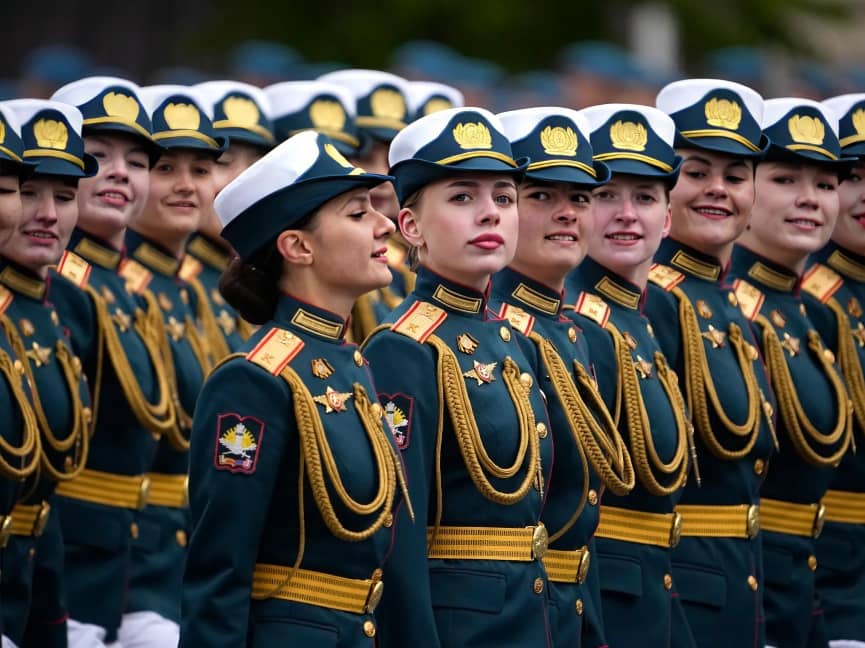

Russia held a smaller than usual Victory Day parade this year amid continuing concerns related to the ongoing conflict with Ukraine. The annual military event, which marks the Soviet Union’s victory over Nazi Germany during World War II, is traditionally one of the country’s most significant national ceremonies and a major display of military strength.
This year’s parade reportedly featured fewer military vehicles, reduced participation and tighter security arrangements compared to previous celebrations. Observers noted that the scaled back nature of the event reflected the broader impact of the ongoing war in Ukraine and rising security concerns connected to possible threats and regional instability.
Victory Day remains a deeply symbolic occasion in Russia and is closely tied to national identity, historical memory and military pride. The event usually includes large military processions, displays of advanced defence equipment and public ceremonies honoring veterans who fought during World War II.
However, the continuing conflict in Ukraine has significantly influenced the atmosphere surrounding this year’s celebrations. Analysts say Russia’s military priorities and security concerns have altered the scale and presentation of several public events connected to the parade.
Reports also indicated that authorities implemented enhanced security measures during the ceremony due to concerns over potential threats linked to the war. Several regions across Russia have witnessed increased security alerts in recent months as tensions related to the conflict continue.
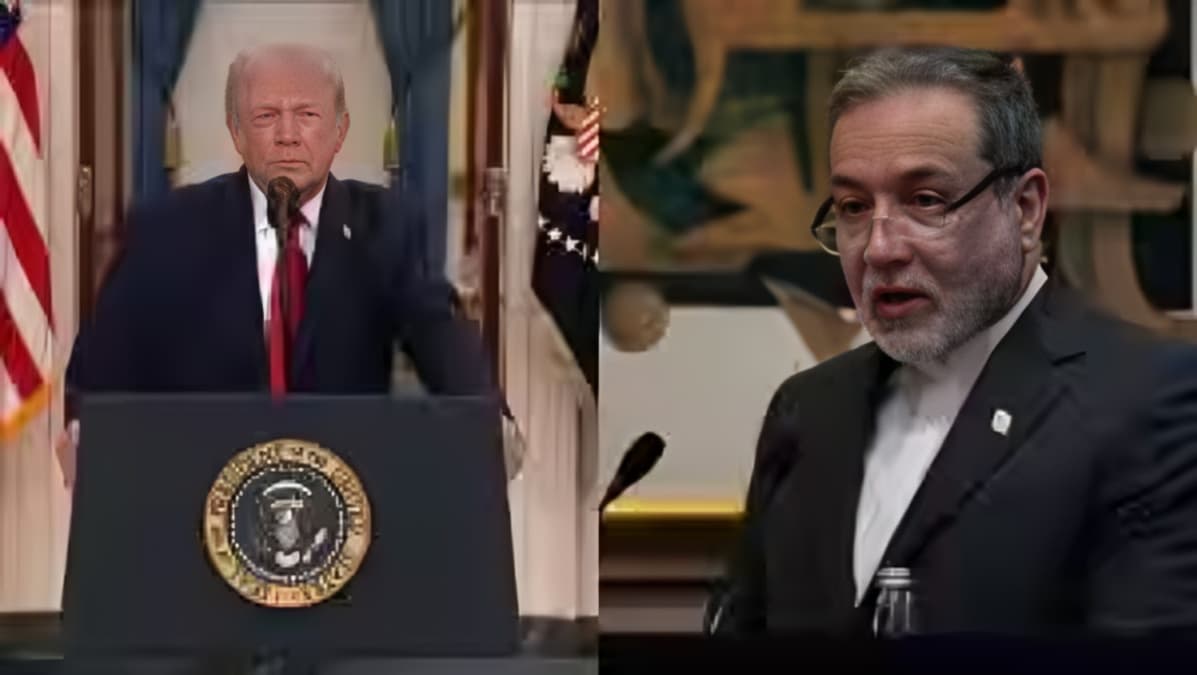
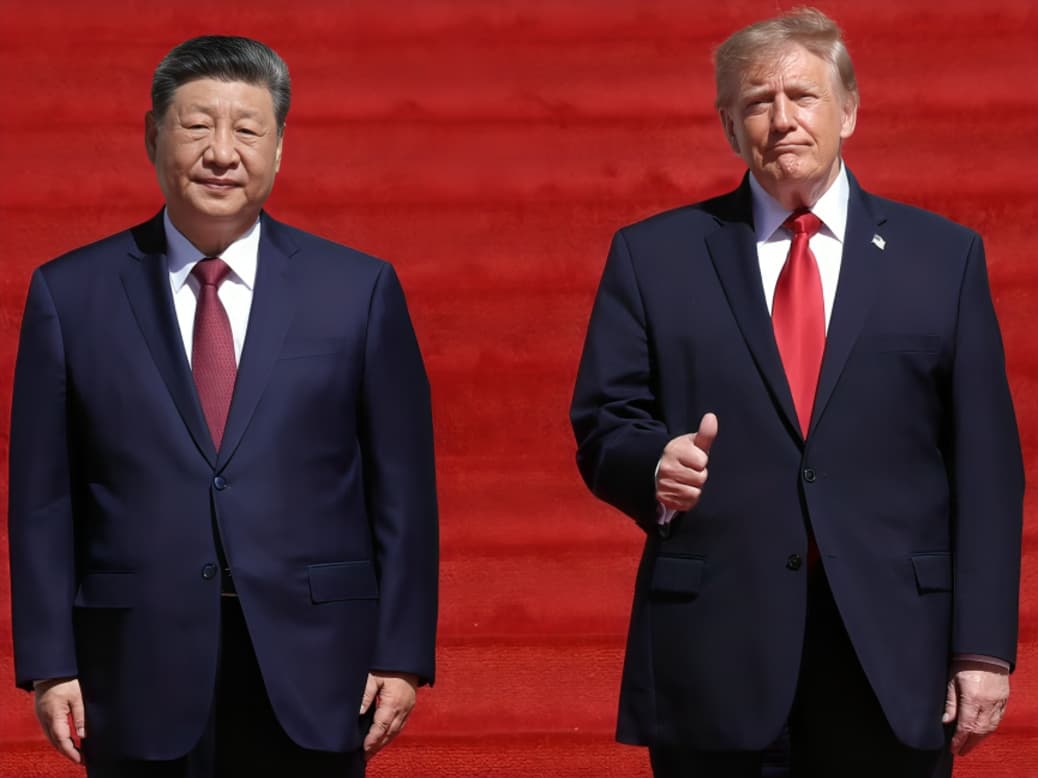
At the international level, attention has also focused on renewed discussions surrounding a possible ceasefire between Russia and Ukraine. According to reports, efforts aimed at reducing hostilities received support from multiple international political figures, including Donald Trump, who reportedly called for steps toward de escalation.
Political observers say any ceasefire discussions involving Russia and Ukraine remain highly sensitive because of the complex military and diplomatic issues involved in the conflict. While public statements supporting peace efforts have emerged from different sides, experts caution that achieving long term stability may require extensive negotiations and international mediation.
The war in Ukraine continues to affect multiple aspects of Russian society, including military planning, economic conditions and international relations. Global governments and organizations have closely monitored developments in the region because of their broader geopolitical and economic consequences.
Victory Day parades have historically served as both commemorative events and demonstrations of national military capability. This year’s reduced military display has therefore attracted considerable international attention and analysis from defence experts and political commentators.
Some analysts believe the smaller scale of the event may reflect practical wartime considerations, while others view it as an attempt to maintain national unity during a period of prolonged conflict. The parade nevertheless remained an important symbolic event for the Russian government and public.
International reactions to the parade and ongoing ceasefire discussions have varied widely. Western nations continue to closely follow developments regarding the conflict, diplomatic efforts and regional security conditions.
Meanwhile, the humanitarian and economic impact of the war remains a major global concern. The conflict has influenced energy markets, international trade, defence policies and geopolitical alliances across multiple regions of the world.
Experts note that symbolic national events such as Victory Day often carry increased political significance during periods of conflict. Public ceremonies, speeches and military displays are frequently used to reinforce national messaging and political narratives during uncertain times.
As discussions regarding a possible ceasefire continue, global attention remains focused on whether diplomatic efforts can help reduce tensions and create conditions for future negotiations between Russia and Ukraine.
Overall, this year’s reduced Victory Day parade highlighted the continuing impact of the Ukraine war on Russia’s public life, military priorities and international political environment.