
The conflict between Russia and Ukraine has entered another tense phase following the reported collapse of the temporary Victory Day ceasefire. Military analysts and Ukrainian officials are now closely monitoring possible Russian attack strategies and battlefield vulnerabilities as renewed fighting intensifies across several areas.
The temporary ceasefire, linked to Victory Day commemorations in Russia, had raised hopes for a short reduction in hostilities. However, reports of fresh military operations and attacks soon emerged, increasing concerns about a wider escalation in the ongoing conflict.
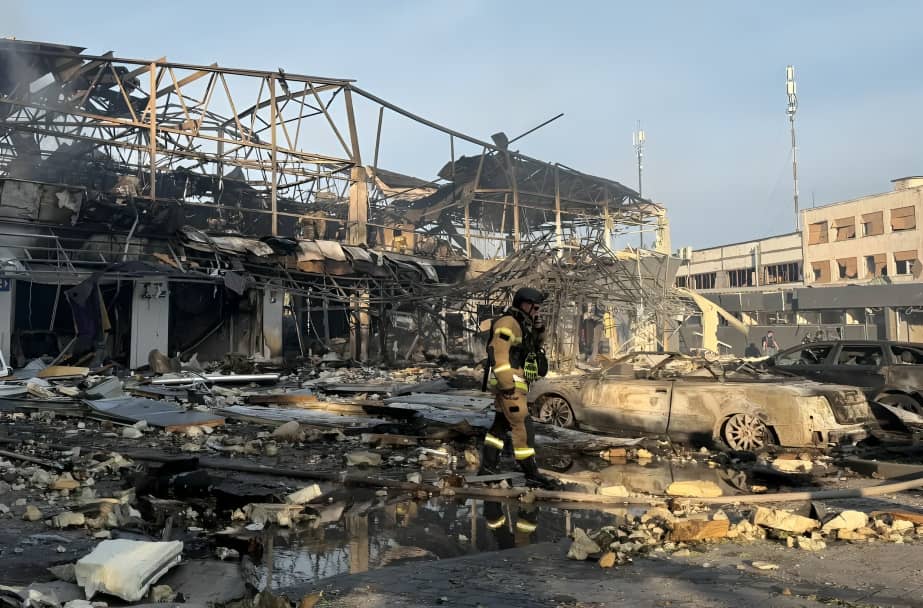
According to Ukrainian officials, Russian forces may intensify military pressure in strategically important regions as both sides continue efforts to gain battlefield advantage. Analysts believe the end of the ceasefire could lead to increased missile strikes, drone attacks, artillery shelling, and intensified frontline combat operations.
The Russia Ukraine war has continued for more than two years, causing significant humanitarian, political, and economic consequences globally. Despite repeated international diplomatic efforts, both countries remain deeply engaged in military operations across multiple regions.
Ukrainian authorities are reportedly assessing several possible scenarios following the collapse of the truce. These include expanded attacks on infrastructure, renewed offensives in contested territories, and attempts to weaken supply lines and defensive positions.
Military experts note that battlefield conditions remain highly complex, with both Russia and Ukraine relying heavily on drones, air defense systems, electronic warfare, and long range strike capabilities. Control of strategic areas and transportation routes continues to play a major role in the conflict.
The ceasefire period had been viewed by some observers as an opportunity for limited de escalation. However, analysts say the absence of a broader political agreement or formal peace negotiations reduced the chances of a lasting pause in fighting.
Ukraine has continued to strengthen defensive preparations while seeking military and financial support from Western allies. Several countries have provided defense equipment, humanitarian aid, intelligence support, and economic assistance to Ukraine since the conflict began.
Meanwhile, Russia has maintained that its military operations are connected to national security objectives and regional strategic interests. Moscow has repeatedly accused Western countries of escalating the conflict through military assistance to Ukraine.
International organizations and global leaders have continued to call for diplomatic dialogue and peaceful resolution efforts. Concerns remain high over civilian casualties, damage to infrastructure, displacement of populations, and broader regional instability.
Security analysts believe that the coming weeks could be critical in determining the direction of the conflict, particularly if large scale offensives or expanded attacks take place after the ceasefire period. Increased military activity could also influence international diplomatic efforts and geopolitical relations.
The conflict continues to affect global energy markets, food supply chains, defense policies, and international trade routes. European countries remain especially focused on regional security developments and humanitarian support measures linked to the war.
Human rights organizations have also repeatedly urged all parties involved to protect civilians and follow international humanitarian laws during military operations.
As tensions rise again after the ceasefire collapse, the international community continues to closely monitor developments in the region. Further military and diplomatic updates are expected as the situation evolves.