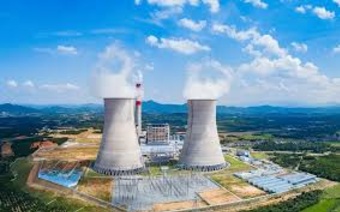
Russia and Kazakhstan have signed a major agreement for the construction of the Balkhash Nuclear Power Plant, marking an important development in Kazakhstan’s energy sector. The project is expected to become the country’s first large-scale nuclear power facility and represents a significant move toward expanding nuclear energy generation.
The agreement was signed as part of broader cooperation between Russia and Kazakhstan in the fields of energy, infrastructure, and technology. The project is expected to play a key role in helping Kazakhstan meet future electricity demand while also reducing dependence on conventional fossil fuel-based power generation.
According to reports, the proposed Balkhash Nuclear Power Plant will be developed with Russian technical support and expertise. Russia remains one of the leading countries in global nuclear energy technology and has participated in several international atomic energy projects over the years.
Kazakhstan is one of the world’s largest producers of uranium, an important fuel used in nuclear reactors. Despite its large uranium reserves, the country has not operated a major nuclear power station in recent decades. The new agreement therefore marks a major strategic shift in Kazakhstan’s long-term energy planning.
Energy experts believe nuclear power could help Kazakhstan improve energy stability and support industrial growth. Rising electricity demand, economic expansion, and environmental concerns have encouraged several countries to explore low-carbon energy alternatives, including nuclear power generation.
The Balkhash Nuclear Power Plant project is also expected to create employment opportunities and support infrastructure development in surrounding regions. Large energy projects typically involve long-term investments in transportation, engineering, housing, and technical training.
Russia’s involvement in the project highlights its continuing influence in the energy sector across Central Asia. Analysts believe the agreement strengthens economic and strategic ties between Moscow and Astana at a time when global energy cooperation remains increasingly important.
Nuclear energy has become an important topic globally as countries search for reliable alternatives to fossil fuels. Supporters of nuclear energy argue that it can provide stable electricity generation with lower carbon emissions compared to coal and oil-based power plants. However, nuclear projects also face concerns related to safety, waste management, and long construction timelines.
Kazakhstan has previously discussed the possibility of introducing nuclear power as part of its national energy strategy. Government officials have stated that future energy demand and environmental commitments require diversification of electricity production methods.
The project is expected to undergo multiple planning and regulatory stages before construction progresses fully. International nuclear safety standards and environmental assessments are likely to play an important role in the development process.
Energy analysts note that several countries are revisiting nuclear energy policies due to growing global electricity demand and climate-related commitments. Russia has actively expanded its international nuclear partnerships through reactor construction agreements and technical collaborations in multiple regions.
The Balkhash Nuclear Power Plant could become one of the most important infrastructure projects in Kazakhstan’s modern energy sector. Officials from both countries believe the agreement may strengthen regional cooperation and contribute to long-term energy security in Central Asia.
The development will continue to be closely monitored by international energy experts, environmental groups, and regional policymakers as Kazakhstan moves toward establishing its nuclear energy capabilities.