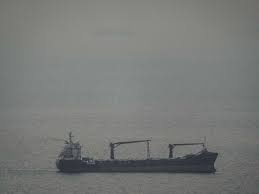
Maritime traffic through the strategically important Strait of Hormuz has shown a strong recovery after several weeks of disruption linked to regional tensions and security concerns. Recent shipping data indicates that vessel movement through the waterway has increased considerably, reflecting improving confidence among shipping operators and global commodity traders.
According to industry reports, around 55 commodity vessels transited through the Strait of Hormuz between May 11 and 17. This marks a major increase compared to the previous week, when only 19 vessels reportedly passed through the route due to heightened geopolitical tensions and concerns over maritime security.
The Strait of Hormuz is considered one of the world’s most important maritime trade corridors because it serves as a major route for global oil and gas shipments. A large percentage of international crude oil exports pass through this narrow waterway connecting the Persian Gulf to global markets. Any disruption in the region often affects energy prices, shipping operations and international trade flows.
Shipping activity in the area had slowed significantly in recent weeks following security concerns linked to regional conflicts and fears of possible attacks on commercial vessels. Several shipping companies reportedly adopted precautionary measures, including route adjustments and temporary operational delays, while monitoring developments in the region.
However, the latest increase in traffic suggests that shipping operators are gradually resuming normal operations as the security situation shows signs of stabilisation. Analysts say the return of vessel movement is an important indicator for international energy markets and commodity supply chains.
Energy experts note that uninterrupted navigation through the Strait of Hormuz is critical for maintaining stable oil supplies and preventing major fluctuations in global energy prices. Countries across Asia, Europe and other regions depend heavily on oil and gas shipments passing through the route.
The rise in maritime activity is also expected to ease concerns among commodity traders and global markets that had been closely monitoring developments in the Middle East. Shipping disruptions in the region often lead to increased transportation costs, insurance premiums and uncertainty in international trade.
Security agencies and naval forces operating in the region have reportedly continued surveillance and monitoring activities to ensure safe passage for commercial vessels. Several countries maintain maritime security operations near the Strait of Hormuz due to its strategic importance to global trade and energy security.
Economic analysts believe the rebound in ship traffic could help stabilise supply chains that were affected during the period of reduced maritime movement. Improved shipping activity may also reduce pressure on global commodity markets, particularly in the energy sector.
At the same time, experts caution that geopolitical risks in the region continue to remain sensitive. Shipping companies and international markets are expected to closely monitor political and security developments that could influence future maritime operations.
The recovery in vessel traffic highlights the importance of maintaining stability in key international shipping routes. The Strait of Hormuz remains one of the most closely watched maritime corridors in the world because of its direct impact on global commerce, energy exports and economic activity.
As maritime operations continue to normalise, industry observers expect further increases in vessel movement if regional conditions remain stable in the coming weeks. Governments, energy companies and shipping operators are likely to continue coordinating efforts to ensure uninterrupted trade through the critical waterway.