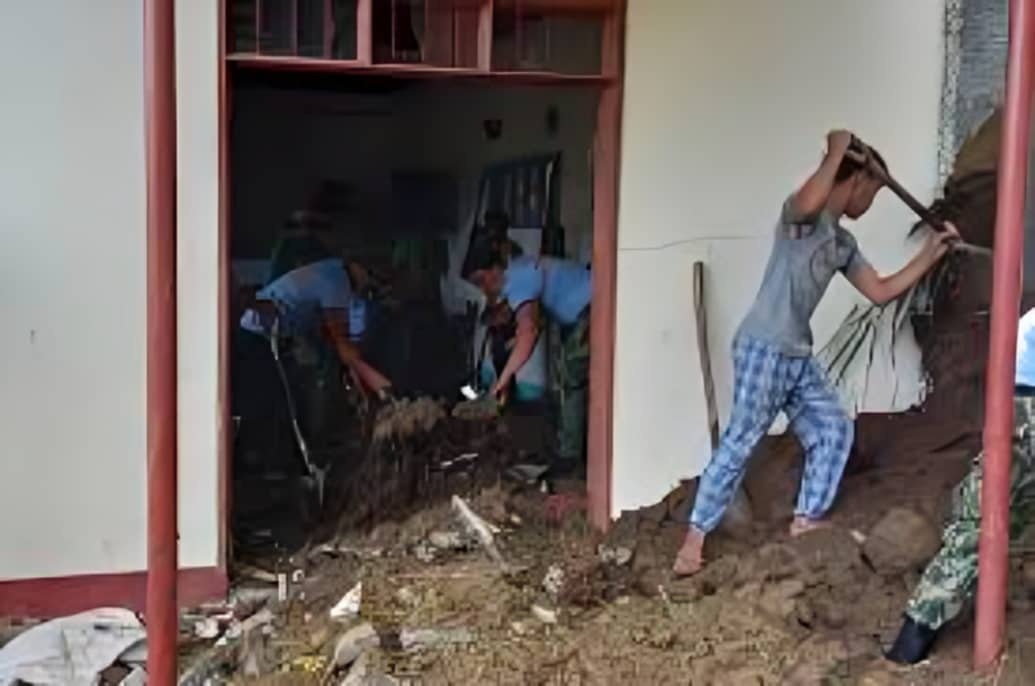

A powerful earthquake struck the southern Philippines, causing significant damage and triggering emergency response operations across several affected provinces. Authorities reported that multiple people lost their lives and more than 200 others were injured following the strong tremor, which was felt across a wide area of the country.
According to local authorities, the earthquake impacted communities in and around General Santos and other parts of the southern Philippine region. Emergency services, disaster response teams, and local government agencies were immediately mobilized to assist affected residents and assess the extent of the damage.
Initial reports indicated several fatalities following the earthquake. Authorities later confirmed an additional death in Davao Oriental, increasing the overall death toll. Officials have cautioned that casualty figures may change as rescue and assessment operations continue in affected areas.
Hospitals and medical facilities received hundreds of injured residents, many of whom sustained injuries caused by falling debris, damaged structures, and other earthquake-related incidents. Health authorities have been coordinating medical assistance while ensuring that emergency treatment remains available to those affected.
The earthquake caused widespread concern among residents as strong shaking was felt in multiple cities and municipalities. Many people evacuated homes, offices, schools, and commercial establishments as a precautionary measure. Emergency shelters were established in several locations to accommodate displaced families.
Authorities reported damage to buildings, roads, public infrastructure, and utility services in some areas. Engineers and disaster management teams have been conducting inspections to determine whether affected structures remain safe for occupancy. Power interruptions and communication disruptions were also reported in certain locations following the earthquake.
The Philippines is situated along the Pacific Ring of Fire, one of the world's most active seismic zones. As a result, earthquakes are relatively common in the country. Government agencies regularly conduct disaster preparedness programs and public awareness campaigns to help communities respond to natural disasters.
Following the earthquake, officials urged residents to remain alert for possible aftershocks. Disaster management agencies advised the public to follow safety guidelines, avoid damaged structures, and cooperate with emergency personnel during ongoing assessments.
National and local authorities have continued coordinating relief efforts, including the distribution of food, water, medical supplies, and temporary shelter assistance. Rescue teams have been deployed to areas where damage assessments are still underway.
Government officials expressed condolences to the families of those who lost their lives and pledged support for affected communities. Relief and recovery operations are expected to continue in the coming days as authorities work to restore essential services and assist residents impacted by the disaster.
Experts note that major earthquakes can have long-lasting effects on communities, particularly when critical infrastructure is damaged. Recovery efforts often involve rebuilding homes, restoring public services, and providing support to affected families and businesses.
As investigations and assessments continue, authorities are expected to release updated information regarding casualties, infrastructure damage, and recovery measures. Residents have been encouraged to rely on official government advisories for the latest updates and safety information.