Jerusalem, June 5
The security situation in the Middle East remains tense despite ongoing diplomatic efforts aimed at reducing hostilities in the region. A ceasefire initiative backed by the United States has faced significant challenges as military operations and political confrontations continue to shape developments on the ground.
According to reports, air strikes and security operations have continued in several areas, raising concerns about the long term stability of the ceasefire arrangement. Regional governments and international organizations are closely monitoring the situation as efforts continue to prevent a wider escalation of the conflict.
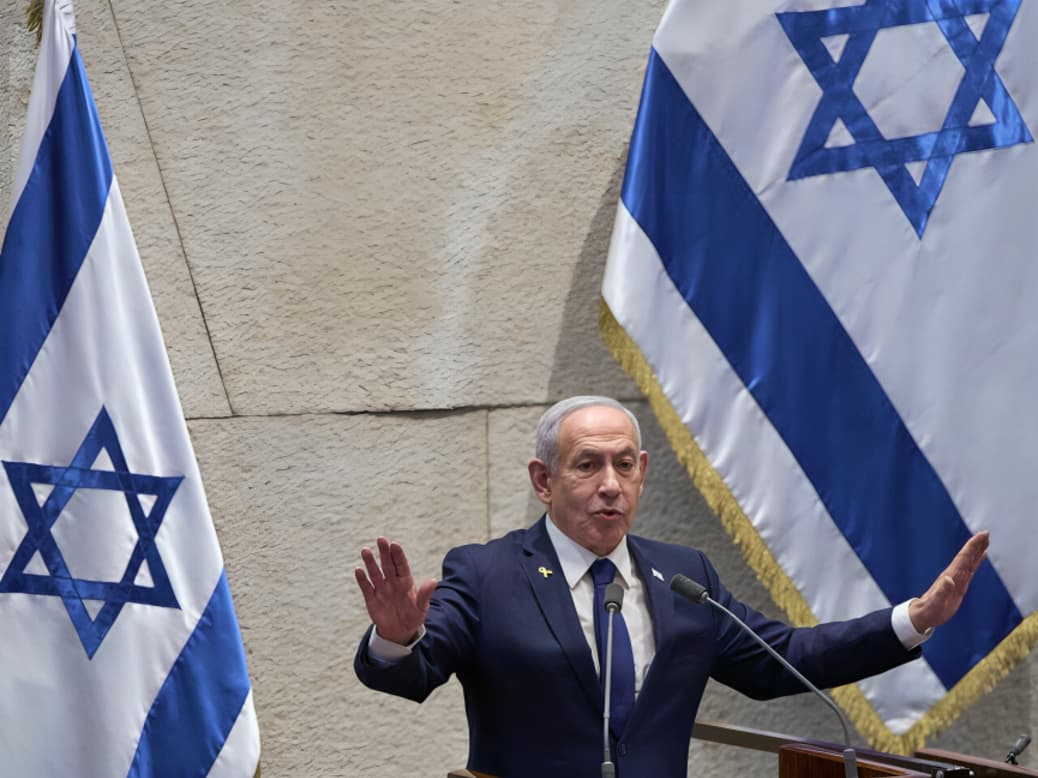
Iranian leaders have recently made statements emphasizing their position on regional security issues and the future of ongoing conflicts. At the same time, Israeli authorities have continued to stress the importance of national security and the need to address threats facing the country.
The situation in Lebanon has also remained a major concern. Officials in the country have reported significant human and infrastructure losses since the conflict intensified. Government representatives have repeatedly called for measures to restore stability and protect civilians affected by the violence.
Meanwhile, representatives of regional groups involved in the conflict have maintained that their actions are linked to broader security and political objectives. These positions continue to influence negotiations and discussions surrounding any potential long term settlement.
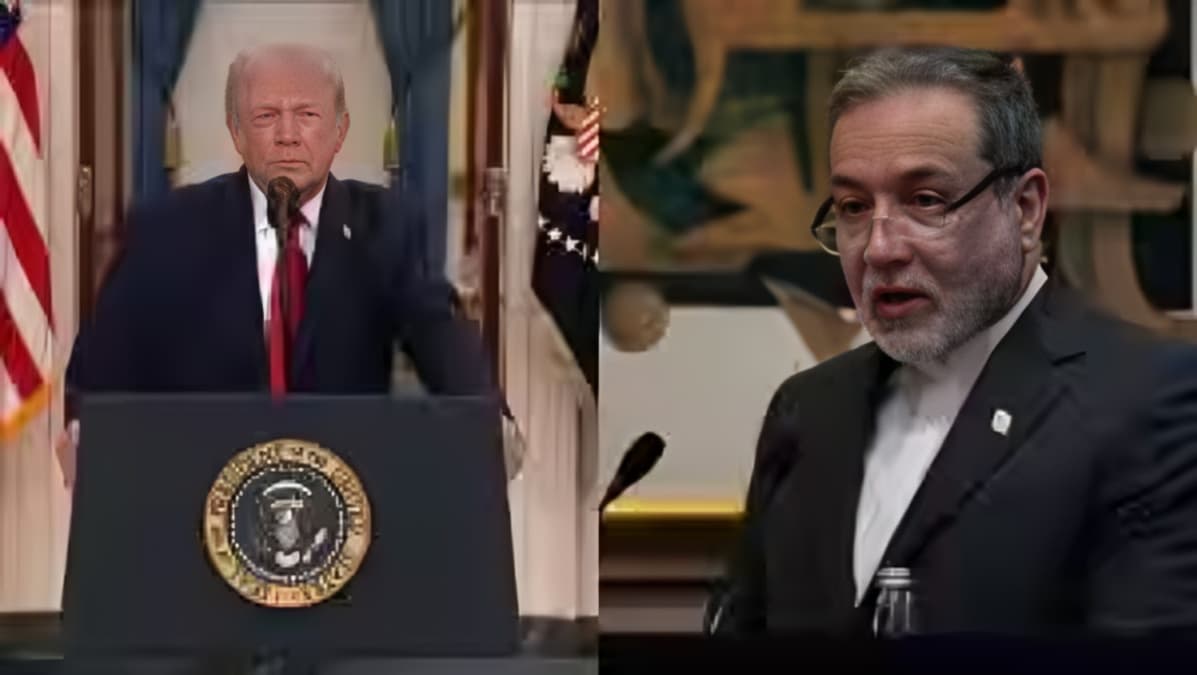
The United States has remained actively involved in diplomatic efforts related to the crisis. American officials have urged all sides to avoid actions that could increase tensions and have emphasized the importance of dialogue in resolving disputes. Recent statements from US leaders have also highlighted concerns regarding regional security and military developments.
Political analysts note that the Middle East remains one of the most strategically important regions in the world. Developments involving Iran, Israel and Lebanon often have implications beyond the region, influencing international diplomacy, energy markets and global security discussions.
International organizations, including the United Nations, have continued to call for restraint from all parties involved. Humanitarian agencies have also expressed concern about the impact of ongoing hostilities on civilian populations, particularly in areas directly affected by military operations.
Experts believe that maintaining any ceasefire agreement will require sustained diplomatic engagement and confidence building measures among the parties involved. They caution that isolated incidents or renewed military activity could undermine progress achieved through negotiations.
As diplomatic efforts continue, governments and international observers remain focused on preventing a broader regional conflict. The coming days are expected to be critical in determining whether ceasefire initiatives can be strengthened and whether political dialogue can create conditions for a more stable and lasting peace.