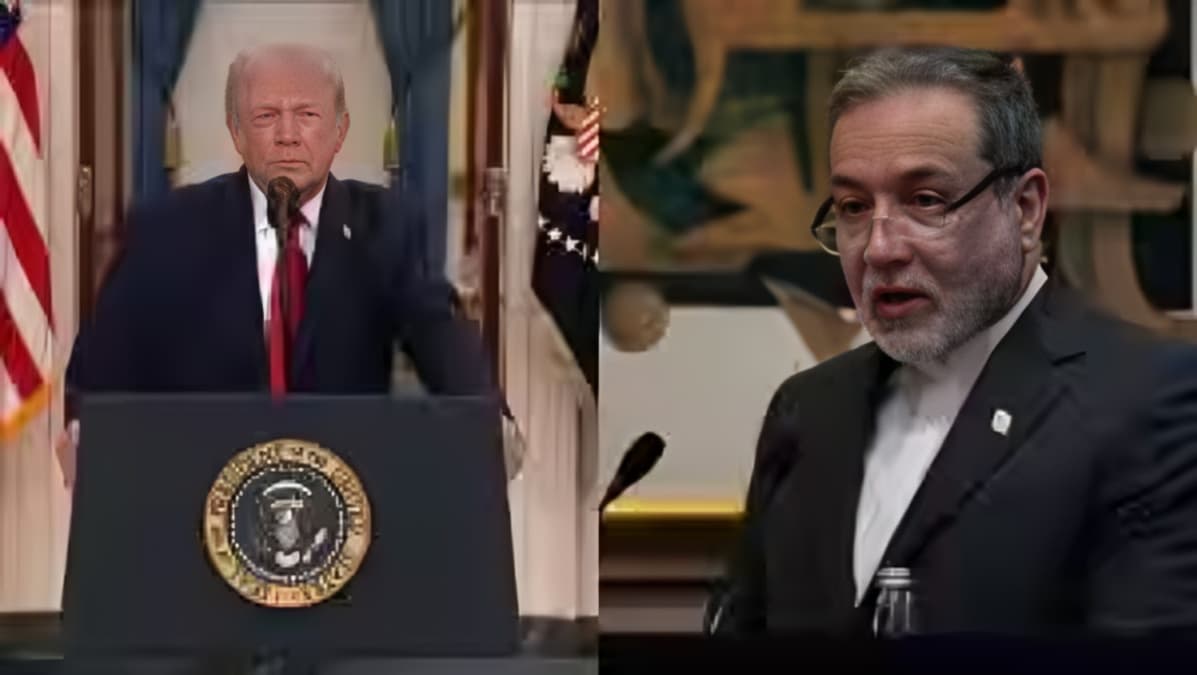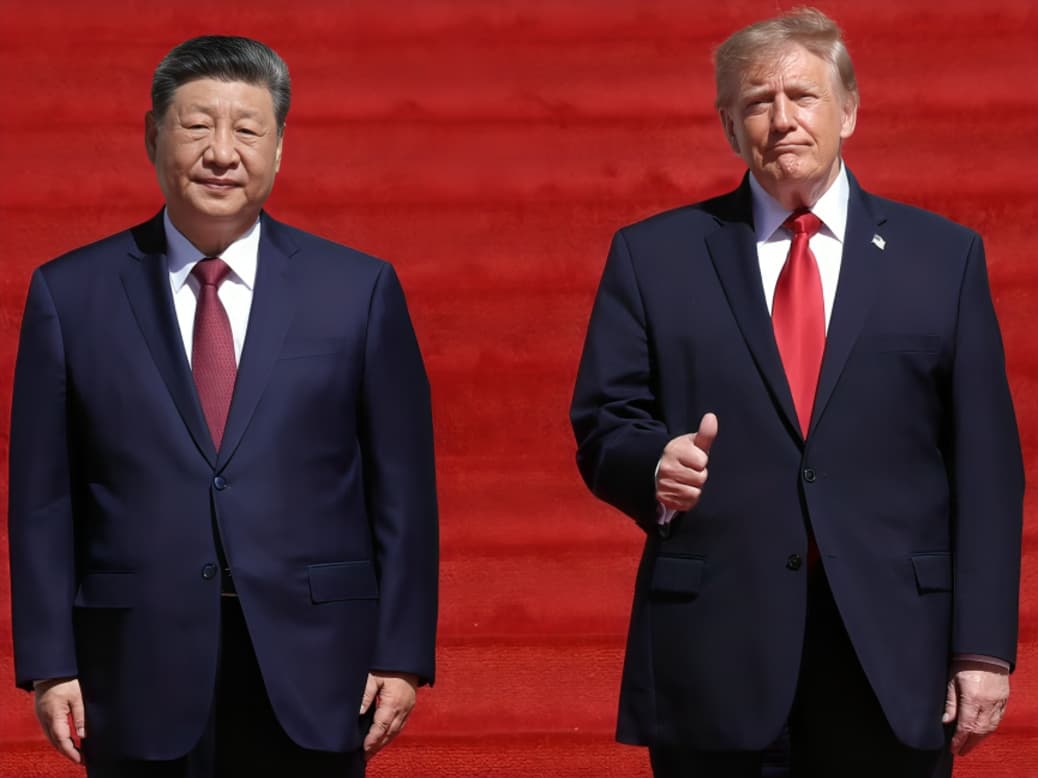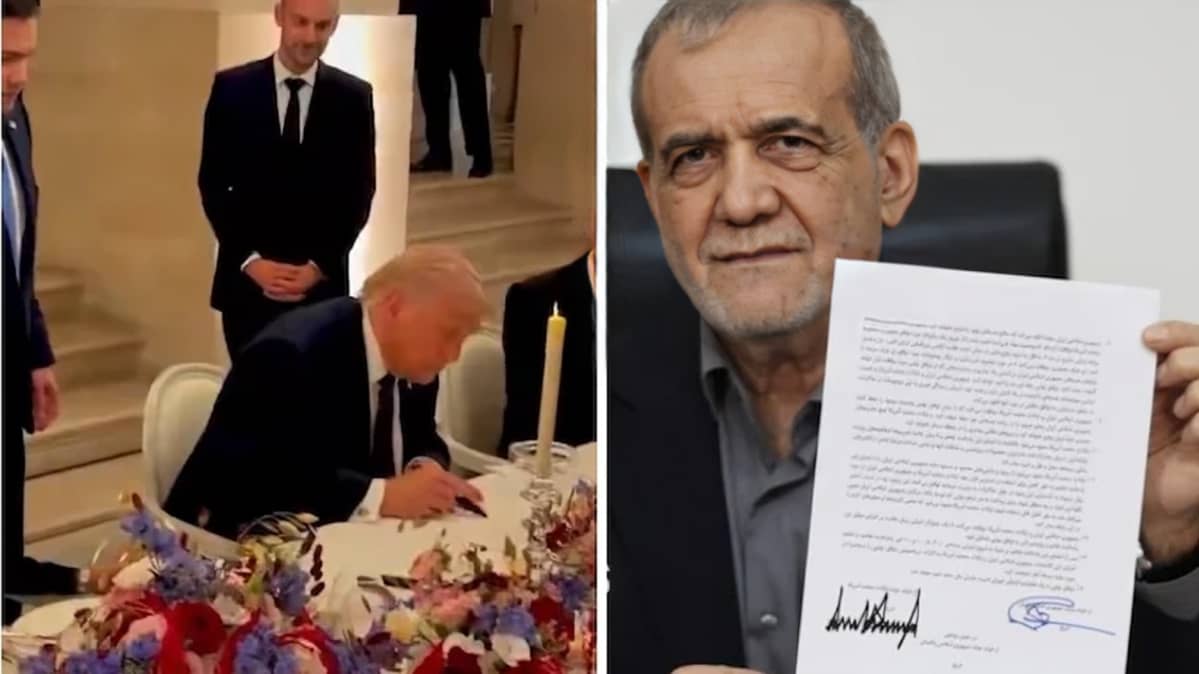
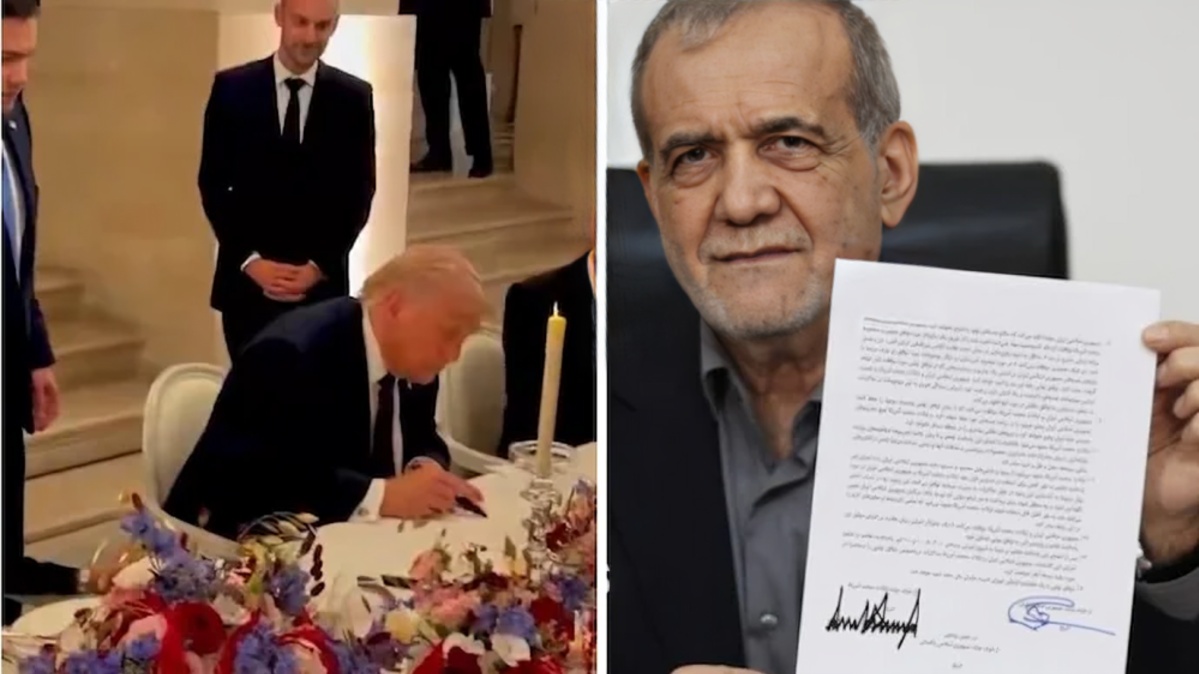
A significant diplomatic development has emerged in the Middle East following reports that United States President Donald Trump and Iranian President Masoud Pezeshkian have electronically signed a memorandum of understanding designed to reduce tensions and promote regional stability.
The agreement, referred to in reports as the Islamabad Memorandum of Understanding, outlines a framework intended to address several key issues that have contributed to instability in the region. Among its reported provisions are commitments aimed at reducing military confrontations, improving maritime security, and facilitating the safe movement of commercial shipping through the strategically important Strait of Hormuz.
The Strait of Hormuz is one of the world's most important maritime trade routes, serving as a major corridor for global energy supplies and international commerce. Any disruption in this waterway can have significant implications for global energy markets, shipping industries, and international trade. As a result, the reported agreement has attracted considerable attention from governments, businesses, and international organizations.
According to available information, the memorandum also includes measures intended to address international concerns regarding Iran's nuclear program. The reported framework seeks to strengthen efforts aimed at preventing the development or acquisition of nuclear weapons while encouraging diplomatic engagement between the parties involved.
Despite the announcement, several important issues remain unresolved. Iranian officials have reportedly stated that a lasting and comprehensive peace arrangement would require additional progress on broader regional security concerns. Among these issues is the situation in southern Lebanon, which continues to be a point of disagreement among regional stakeholders.
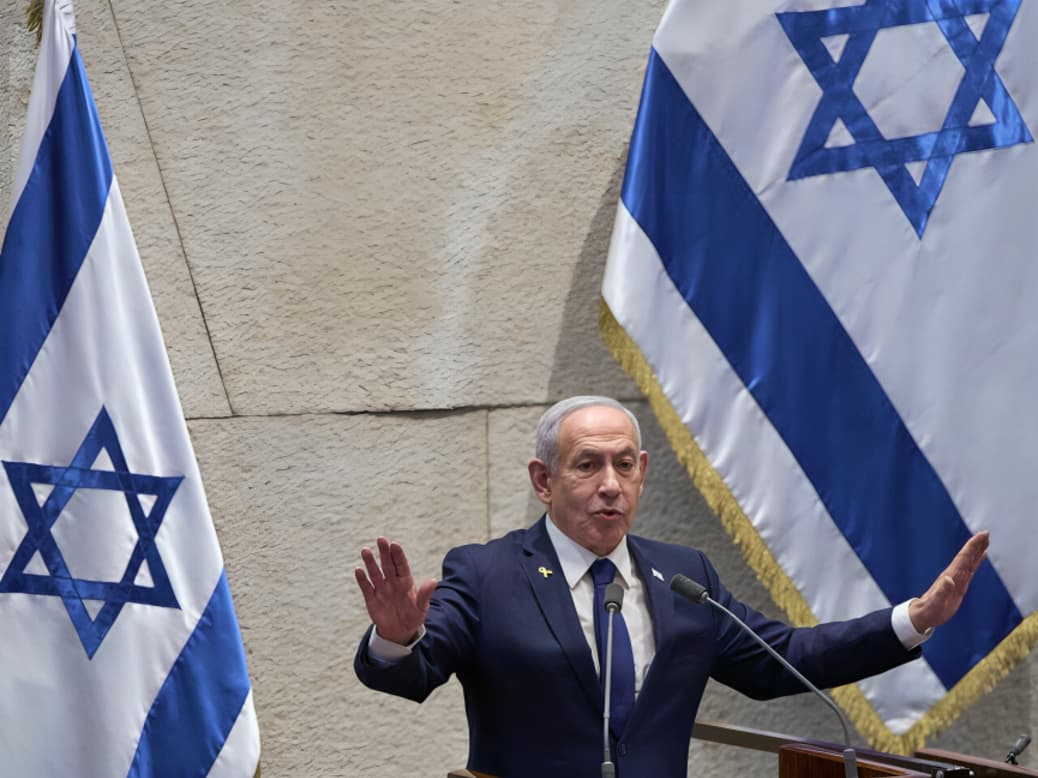
At the same time, Israeli authorities have reportedly indicated that their military and security policies regarding ongoing operations in the region remain unchanged. This difference in positions highlights the complexity of achieving a broader and sustainable settlement that satisfies all parties involved.
International observers have welcomed the diplomatic initiative while emphasizing that successful implementation will depend on continued negotiations, mutual confidence-building measures, and compliance with agreed commitments. Analysts note that agreements of this nature often represent the beginning of a longer diplomatic process rather than an immediate resolution of all disputes.
The development has also generated interest in global financial and energy markets. Investors and industry experts are closely monitoring whether the agreement leads to greater stability in the region and reduces risks associated with shipping and energy transportation through key maritime routes.
Diplomatic efforts involving multiple regional and international actors are expected to continue in the coming weeks. Governments and international organizations are likely to assess the practical impact of the memorandum and evaluate whether it contributes to reducing tensions and encouraging dialogue.
While the reported agreement has been described as a positive step toward diplomacy, experts caution that lasting peace will require sustained engagement, cooperation among regional stakeholders, and the successful resolution of outstanding political and security concerns.
The coming months are expected to be critical in determining whether the memorandum can serve as a foundation for broader stability in the Middle East and support efforts to reduce conflict across the region.