The United States expects Iran and Oman to reach an understanding soon on measures that could help reopen the Strait of Hormuz, according to a US official. The development has drawn international attention because the waterway is one of the most important routes for global energy shipments.
The Strait of Hormuz connects the Persian Gulf with the Gulf of Oman and the wider Arabian Sea. Large volumes of crude oil, petroleum products and other energy shipments pass through the waterway, making its security important for oil importing and exporting countries around the world.
Any disruption to shipping through the strait can have a direct impact on global energy markets. Restrictions or delays in the movement of vessels can raise concerns about the availability of crude oil and fuel, potentially increasing prices in international markets.
According to the US official, an agreement between Iran and Oman is expected soon and could contribute to the reopening of the waterway. Details of any potential understanding, including its timing and specific terms, have not been fully disclosed.
Oman has historically played a role in diplomatic efforts involving Iran and Western countries. The country's position in the Gulf and its diplomatic relations with different regional and international stakeholders have allowed it to participate in efforts aimed at reducing tensions.
The possibility of an arrangement involving Iran and Oman is therefore being closely monitored by governments, energy companies and shipping interests. A return to more predictable maritime traffic through the Strait of Hormuz could reduce uncertainty for global energy markets.
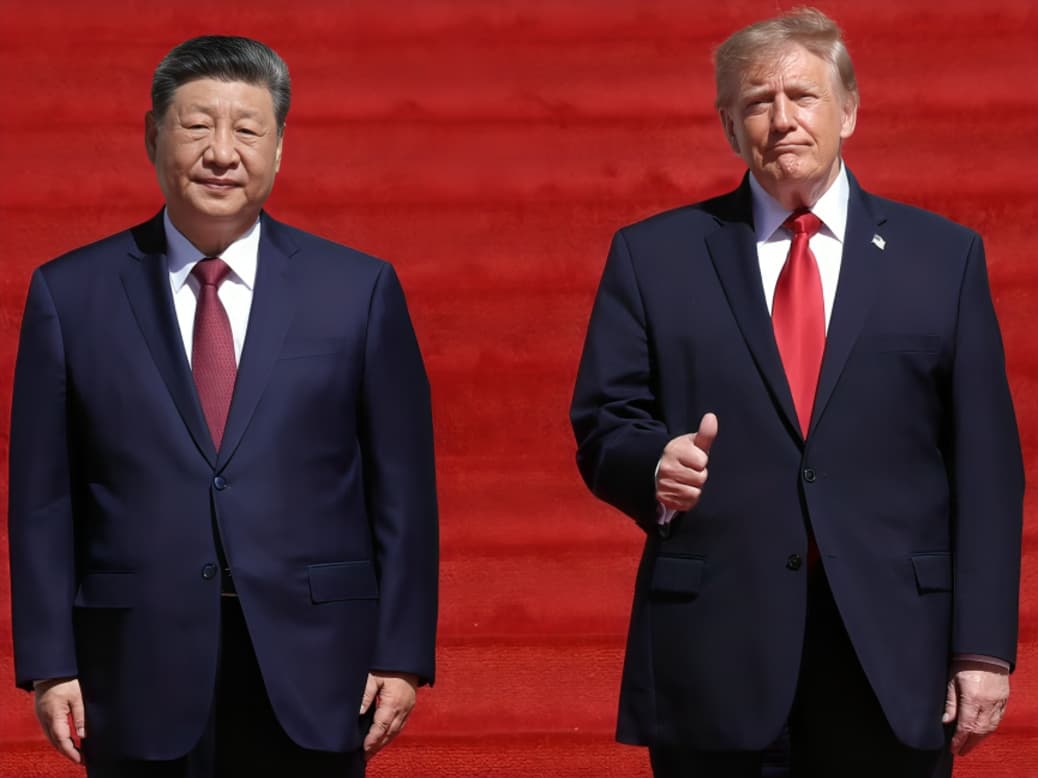
US President Donald Trump has also expressed optimism about the possibility of lower fuel prices. His comments come as international markets continue to respond to developments surrounding the movement of energy supplies through the region.
Lower fuel prices would be significant for consumers and businesses because energy costs influence transportation, manufacturing, agriculture and other sectors. A sustained reduction in crude oil prices can eventually affect the cost of petrol, diesel and other petroleum products, although retail prices also depend on taxes, refining costs, currency movements and other factors.
The Strait of Hormuz is particularly important because of the volume of energy products transported through it. Countries in Asia, including major oil importing economies, rely heavily on shipments passing through the Gulf region.
For India, developments around the Strait of Hormuz are particularly important because the country imports a substantial share of its crude oil requirements. Any prolonged disruption to shipping could affect crude supplies, freight costs and domestic fuel markets.
However, the effect of any potential reopening will depend on how quickly shipping activity returns to normal and whether the arrangement remains stable. Energy markets can also respond rapidly to changes in geopolitical risk, meaning prices may remain volatile even after a diplomatic understanding is announced.
The expected Iran Oman discussions come amid wider geopolitical tensions in the Middle East. Any reduction in tensions could improve confidence among shipping companies and energy traders, while continued uncertainty could keep markets cautious.
A stable maritime route would also benefit international trade beyond the energy sector. Commercial vessels carrying other goods use regional shipping routes, and disruptions can increase transportation times and insurance costs.
The US expectation of an agreement is therefore being watched as a possible development with implications for both regional stability and the global economy. However, until an agreement is formally announced and implemented, the future status of shipping through the Strait of Hormuz remains subject to developments on the ground.
The coming days could provide greater clarity on whether Iran and Oman reach an understanding and whether it leads to a sustained reopening of the waterway. Governments and markets are expected to closely monitor shipping movements, energy prices and official statements from the countries involved.
For consumers, the key question will be whether improved energy supply conditions eventually translate into lower fuel prices. While a reduction in geopolitical risk could support lower crude prices, domestic fuel prices depend on several additional factors.
The situation therefore remains fluid, with the expected diplomatic engagement between Iran and Oman potentially playing an important role in determining the future of shipping through the Strait of Hormuz and its wider impact on global energy markets.