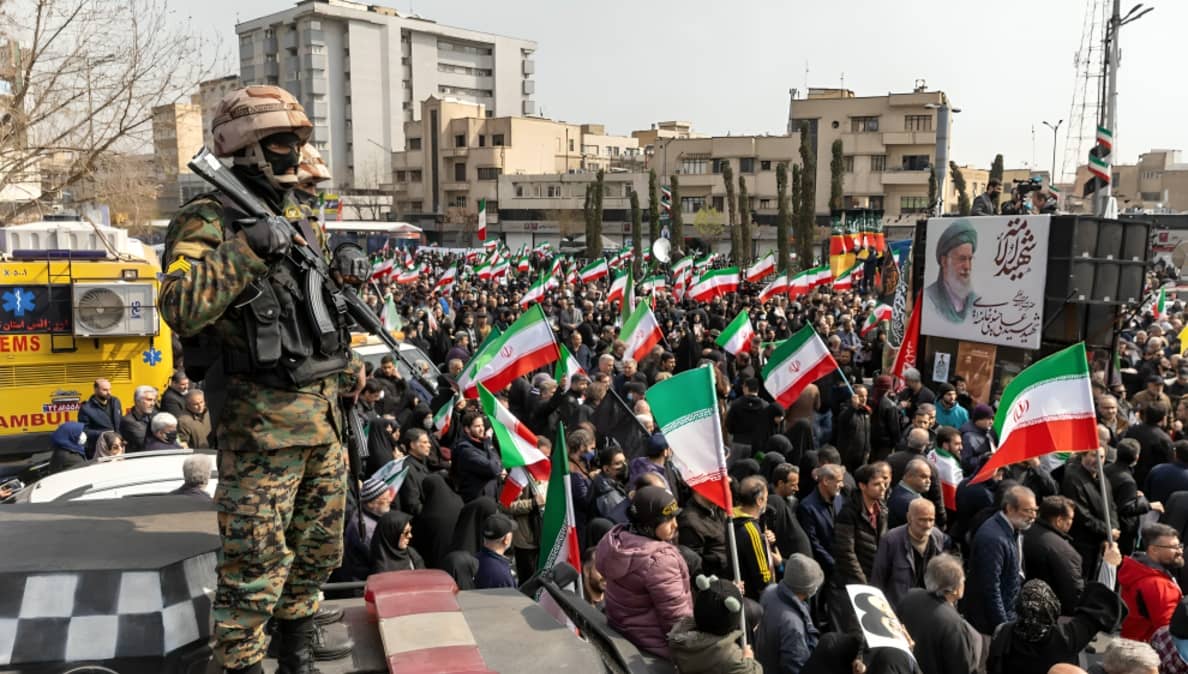

The military confrontation between the United States and Iran entered a temporary period of calm after a second consecutive day without reported direct strikes between the two countries. The pause has eased immediate concerns about a broader military escalation in the Middle East, although regional tensions remain elevated.
Diplomatic observers and security analysts are closely monitoring developments, as the situation continues to remain unpredictable. While the absence of direct military exchanges has been viewed as a positive development, governments across the region remain on alert because of the possibility of renewed hostilities.
Despite the temporary lull between the United States and Iran, the wider regional security situation continues to be complex. Reports indicate that Houthi forces in Yemen have intensified their military activities, including claims of maritime operations targeting vessels in strategic waterways. These developments have raised fresh concerns about the safety of international shipping routes and the uninterrupted movement of global trade.
The Red Sea and nearby maritime corridors are among the world's most important shipping lanes, carrying a significant share of global energy exports and commercial cargo. Any disruption in these waterways can affect international trade, shipping costs and global energy markets. As a result, governments and commercial shipping companies continue to monitor the situation closely.
Security analysts note that prolonged instability in the region could have broader economic consequences, particularly for countries that depend heavily on energy imports. Oil prices and freight costs often react to geopolitical developments in the Middle East because of the region's strategic importance in global energy production and transportation.
The United States has continued to maintain its military presence in the region while emphasizing its commitment to protecting international navigation and regional stability. At the same time, diplomatic efforts by several countries are focused on preventing further escalation and encouraging dialogue among the parties involved.
Iran has consistently maintained its position on regional security issues while continuing diplomatic engagement with international partners. The evolving situation remains under close observation by governments, international organizations and financial markets.
The ongoing conflict involving Houthi forces has also drawn international attention because of its potential impact on commercial shipping. Maritime security agencies have advised vessels operating in the region to remain vigilant and follow updated navigation guidance issued by relevant authorities.
International organizations have repeatedly called for restraint and urged all parties to pursue peaceful solutions through diplomatic channels. Analysts believe that sustained dialogue remains essential to reducing tensions and preventing the conflict from expanding further across the region.
Although the absence of direct strikes between the United States and Iran has temporarily reduced immediate military risks, experts caution that the broader security environment remains fragile. Any significant escalation involving regional actors could quickly influence international security, global trade and energy markets.
Governments and international agencies continue to monitor developments closely, while diplomatic initiatives remain focused on maintaining stability and reducing the risk of further conflict in the Middle East.