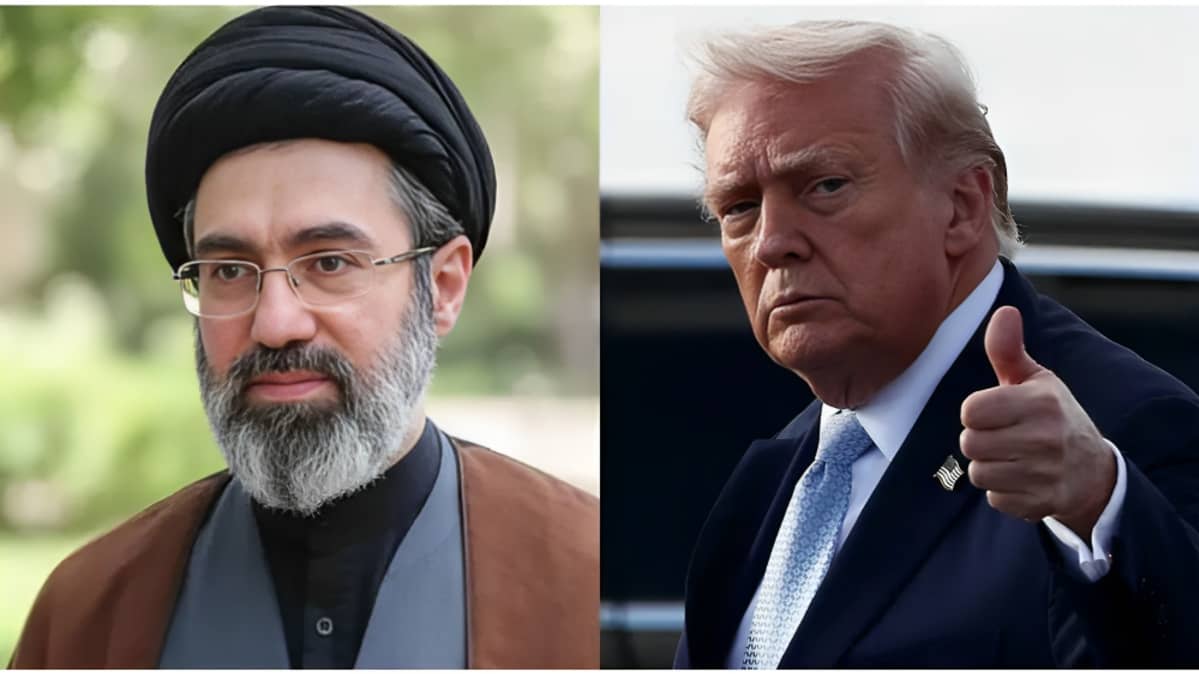
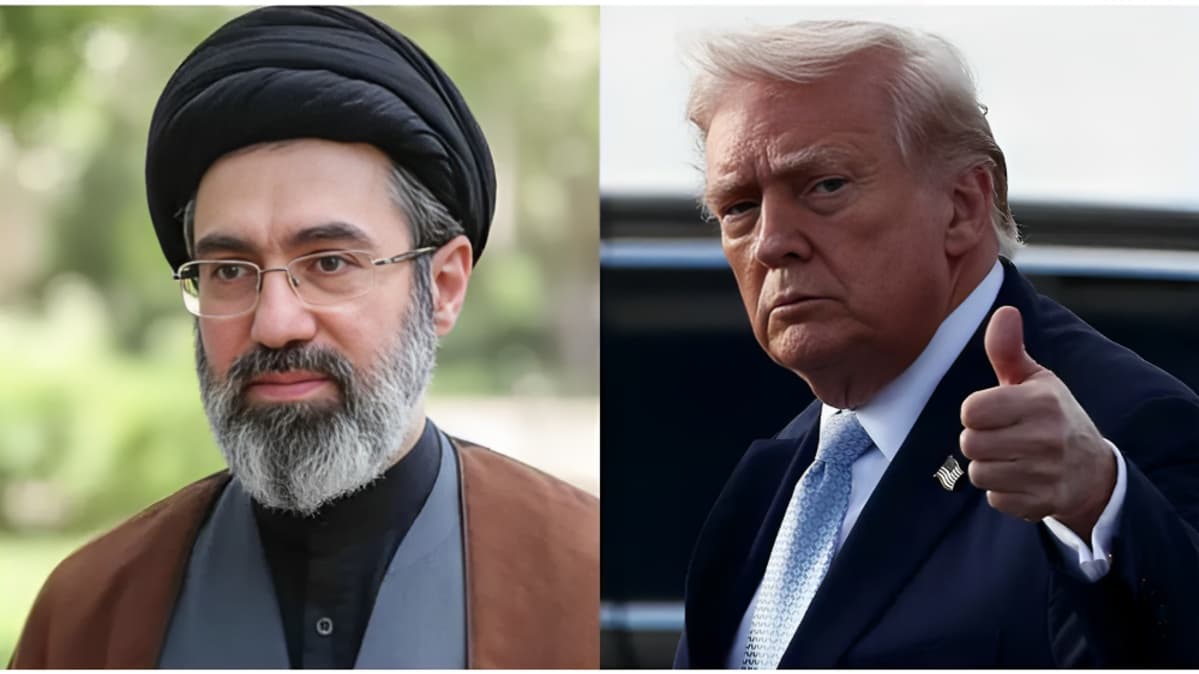
Diplomatic efforts between the United States and Iran have gained attention following reports of a preliminary negotiation framework that could address Tehran's nuclear programme and the reopening of the strategically important Strait of Hormuz. According to reports citing Al Arabiya English, the draft proposal suggests transferring Iran's stockpile of highly enriched uranium to a third country or reducing its enrichment level. It also proposes restoring international shipping through the Strait of Hormuz within seven days of an initial understanding between the two countries.
The reported framework is part of continuing diplomatic efforts to reduce tensions between Washington and Tehran. However, the proposal has not been confirmed as a final agreement by both governments. Its reported terms should therefore be understood as preliminary proposals rather than decisions that have already been accepted or implemented.
One of the central elements concerns Iran's enriched uranium stockpile. The draft reportedly suggests that the material could be transferred to an agreed third country or its enrichment level could be reduced. The issue has remained a major point of disagreement between the United States and Iran, as Washington wants stronger restrictions and verification measures concerning Tehran's nuclear activities.
The proposed arrangement also places significant importance on the Strait of Hormuz. The waterway is one of the world's most important maritime routes, connecting the Persian Gulf with the Gulf of Oman and the wider Arabian Sea. It is a major passage for international energy shipments, particularly crude oil and liquefied natural gas.
Any disruption to shipping through the strait can affect international energy markets, transportation costs and supply chains. Countries that depend on energy imports closely monitor developments in the region because prolonged restrictions on maritime traffic could create economic uncertainty. The reported proposal to reopen the route within seven days is therefore an important part of the diplomatic framework.
According to the reported draft, the reopening of the Strait of Hormuz would follow an initial understanding between the two sides. The proposal also links Iran's commitments on its nuclear programme and maritime security with steps by the United States to ease sanctions, blockades and other economic restrictions. This suggests an approach in which both countries would be expected to make corresponding commitments rather than one side implementing all the proposed measures first.
Another important feature of the framework is the proposed independent verification mechanism. Such a mechanism would assess whether both sides are meeting their commitments before the next phase of implementation begins. Independent monitoring could help reduce disagreements over compliance and provide greater confidence that the terms are being followed.
The draft also reportedly includes a dispute resolution arrangement involving mediators and guarantor countries. This mechanism is intended to address delays, disagreements or possible violations during implementation. Establishing a process for resolving disputes could help prevent individual disagreements from developing into another major diplomatic or military confrontation.
China has reportedly been identified as a possible guarantor of the agreement. Its potential role would be to support the implementation and long-term sustainability of the proposed arrangement. However, the reported framework does not mean that China has formally accepted this responsibility.
The proposed location for direct negotiations has also attracted attention. The draft reportedly suggests holding discussions between Washington and Tehran in Doha, Qatar, instead of Istanbul. Qatar has been involved in diplomatic efforts between the two countries and has played a role in communication between the parties.
Recent diplomatic activity has added to expectations of further discussions. A Qatari delegation reportedly travelled to Tehran for consultations as part of efforts to revive a ceasefire and explore a possible agreement. Qatar's involvement reflects the importance of regional mediation in efforts to reduce tensions between the United States and Iran.
Despite these developments, major differences remain between Washington and Tehran. The two governments have not reached a final settlement on the nuclear programme, sanctions and maritime restrictions. One of the main challenges is the order in which commitments should be implemented. Washington has pushed for nuclear issues to be addressed from the beginning, while Iran has sought changes to restrictions and maritime conditions as part of the process.
The proposed seven-day timeline for reopening the Strait of Hormuz is therefore conditional on an initial understanding and the implementation of the agreed measures. It should not be interpreted as confirmation that the waterway will automatically reopen within that period.
For the international community, the negotiations are important because of their possible impact on regional security and global energy supplies. A successful agreement could help restore maritime movement, reduce uncertainty in energy markets and create an opportunity for further discussions on Iran's nuclear activities. However, failure to resolve the differences could prolong tensions and increase the risk of further disruption.
The reported draft represents a possible diplomatic pathway, but its success will depend on whether both countries accept the proposed conditions and follow through on their commitments. Until an official agreement is announced, the uranium transfer, sanctions relief and reopening of the Strait of Hormuz remain proposals under discussion.