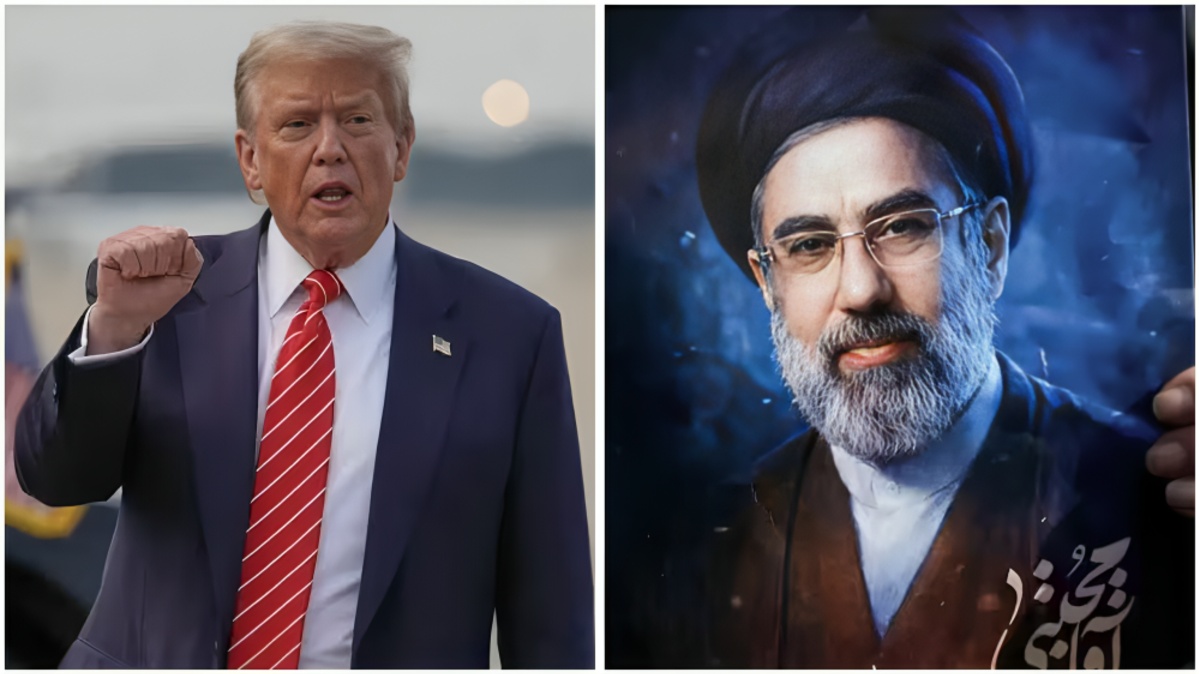
Diplomatic efforts between the United States and Iran remain at a difficult stage as negotiators attempt to overcome major differences over a possible agreement to end the ongoing conflict and restore normal maritime traffic through the Strait of Hormuz.
Qatar is continuing its mediation efforts between Washington and Tehran, with messages being exchanged through Qatari officials. According to Reuters, Iranian Foreign Minister Abbas Araghchi received feedback from the United States through Qatari mediators on a seven day trust building proposal. The latest discussions are reportedly focused mainly on the sequence in which the proposed measures would be implemented rather than the basic components of the plan.
The latest diplomatic effort follows an Iranian proposal presented during the United Nations General Assembly in New York. Under the proposal, Iran said it could move toward reopening the Strait of Hormuz and restoring normal maritime passage if specific conditions were met.
Iran has called for the lifting of the US naval blockade on Iranian ports, relief from restrictions affecting its oil exports and access to some Iranian assets that are frozen overseas. Tehran has also sought an end to hostilities on other fronts before moving toward broader negotiations on its nuclear programme.
The Strait of Hormuz is a strategically important waterway connecting the Persian Gulf with the Gulf of Oman. It is a major route for global energy shipments, making the status of the waterway an important part of the negotiations between the United States and Iran.
Iranian officials have maintained that reopening the waterway depends on Washington meeting Tehran’s conditions. A senior Iranian official previously told Reuters that Iran would not make concessions on its nuclear programme simply in exchange for the United States accepting the proposal concerning the Strait of Hormuz.
The nuclear issue remains one of the central disagreements between the two countries. Washington has continued to seek commitments from Tehran concerning its nuclear activities, while Iranian officials have insisted that any agreement must also address sanctions, military pressure and other issues raised by Tehran.
The United States has also rejected the idea that it has already agreed to provide sanctions relief or release frozen Iranian funds in exchange for nuclear concessions. President Donald Trump publicly denied reports that Washington had offered such concessions, saying that no such offer had been made.
Despite these disagreements, diplomatic contacts have continued. Reuters reported that US and Iranian officials separately spoke with mediators as part of renewed efforts to find a way forward. The discussions have focused on an amended version of Iran’s seven day proposal.
Iranian Foreign Minister Abbas Araghchi has continued to argue that the dispute can be resolved through negotiations. Iranian officials have also indicated that Tehran is waiting for a clear response from Washington before determining its next steps.
The latest discussions are connected to an earlier memorandum of understanding reached in June. That arrangement briefly reduced tensions but later broke down. The current proposal seeks to build on some elements of that earlier understanding while addressing the disagreements that caused the previous arrangement to unravel.
The sequencing of the proposed steps has now become a significant issue. According to officials familiar with the discussions, the two sides broadly understand some of the measures being considered, but they disagree over which side should take specific actions first.
For example, the proposed framework could involve Iran taking steps related to the Strait of Hormuz while the United States responds with measures concerning the blockade, oil sanctions and access to frozen assets. The timing and order of these actions remain under discussion.
This disagreement is important because both Washington and Tehran are seeking assurances before making major commitments. Iran wants guarantees that economic and military pressure will be reduced, while the United States is seeking commitments relating to Iran’s nuclear programme and other security concerns.
The situation has also affected international energy markets. The Strait of Hormuz is an important route for oil and gas shipments, meaning prolonged disruption can influence global energy prices and shipping conditions. Recent reports have shown continued market sensitivity to developments involving the negotiations and the status of the waterway.
Qatar has emerged as an important intermediary in the latest diplomatic effort. Qatari officials have been communicating between the American and Iranian sides in an attempt to narrow their differences. Qatar previously played a supporting role in the June memorandum and is again attempting to help the two sides return to negotiations.
The latest diplomatic activity does not mean that a final agreement has been reached. The talks remain uncertain, and significant differences continue over sanctions, the Strait of Hormuz, Iran’s nuclear programme and the implementation of any future agreement.
President Trump has previously rejected Iran’s seven day proposal, although subsequent mediation has kept discussions alive. Reuters reported that Qatar conveyed the latest US response to Araghchi, who was expected to take the response back to Tehran for further consideration.
The negotiations therefore remain at a sensitive stage. A successful agreement would require both sides to accept a sequence of reciprocal measures, while failure to resolve the disagreements could prolong the current confrontation.
For now, Qatar is continuing its diplomatic efforts while US and Iranian officials assess the latest proposals. The immediate focus is on whether the two countries can agree on the order and conditions for confidence building measures, including arrangements concerning the Strait of Hormuz and Iran’s nuclear programme.
Further developments are expected as Iranian officials review the latest US response and determine whether negotiations can move toward a broader agreement. Until then, the US Iran talks remain unresolved, with diplomacy continuing alongside ongoing disagreements between the two governments.