
Tensions between the United States and Iran remain high as both countries continue to take opposing positions over diplomacy and the future of the Strait of Hormuz, one of the world's most important energy shipping routes.
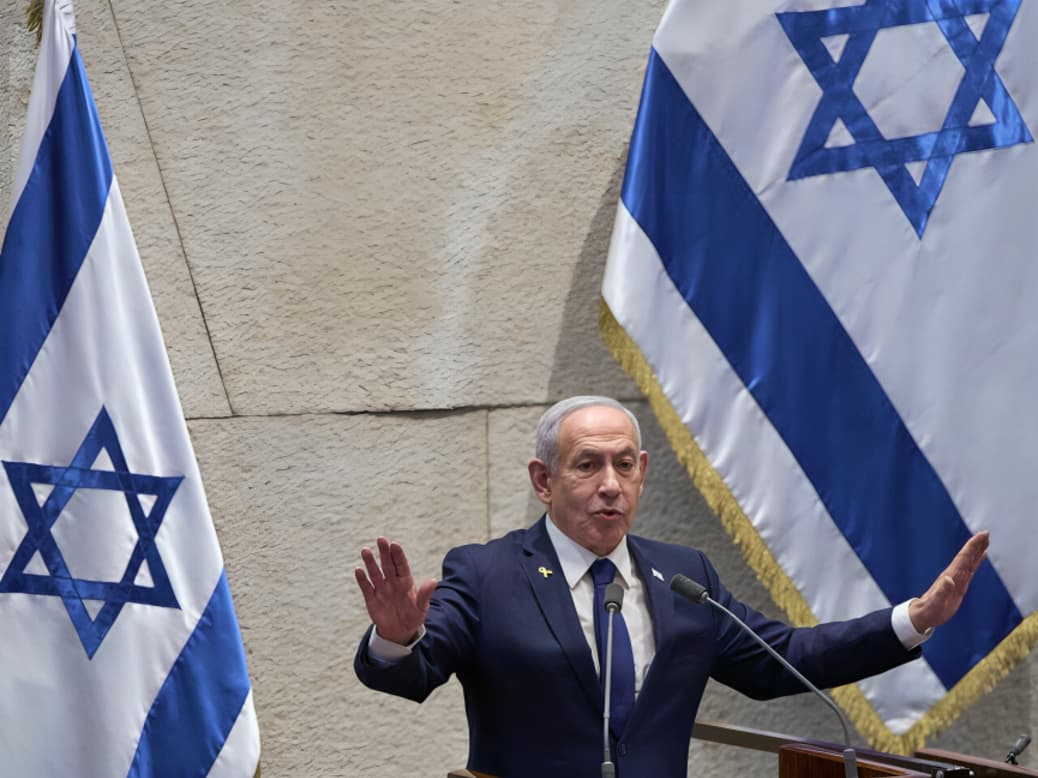
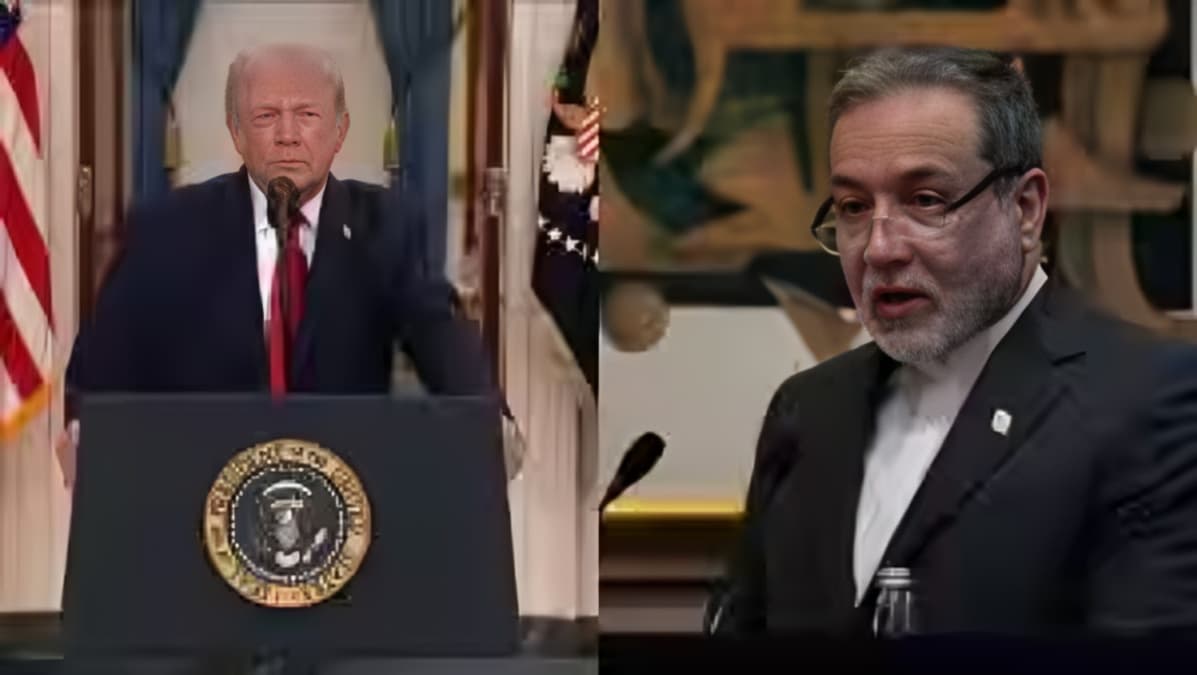
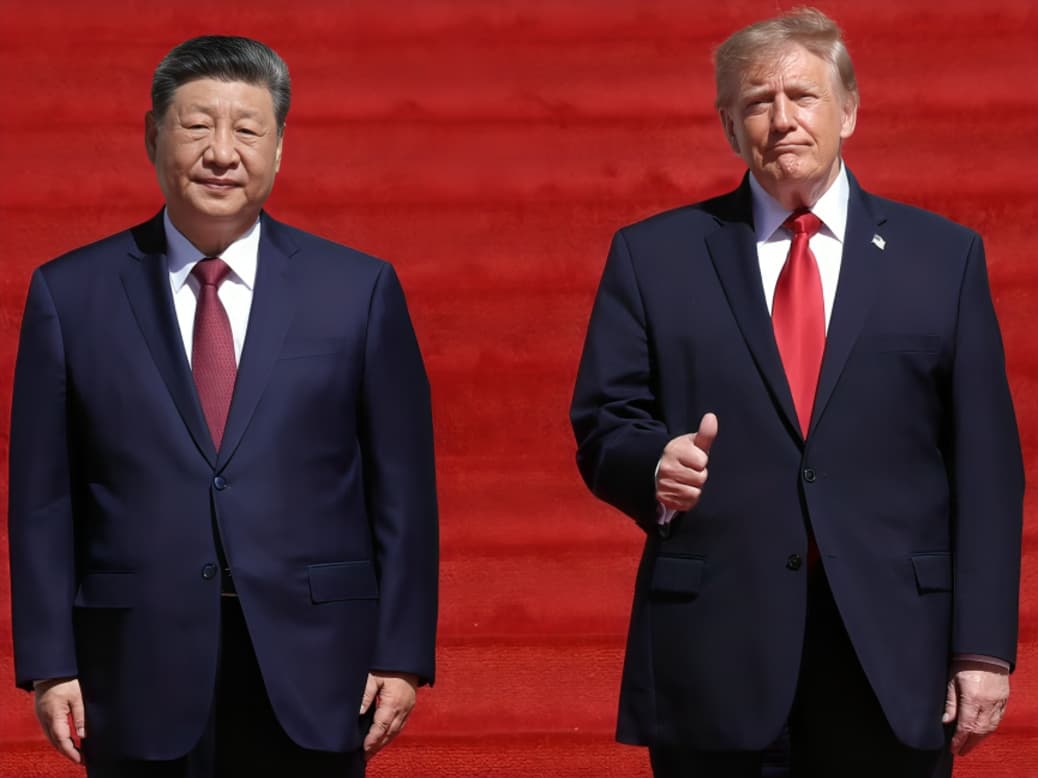
The latest developments have centred on the US naval blockade and Iran's conditions for reopening the strategic waterway. US President Donald Trump has indicated that Washington is maintaining pressure on Tehran while leaving the possibility of negotiations open. Iranian officials, however, have said that there are currently no direct negotiations between the two countries.
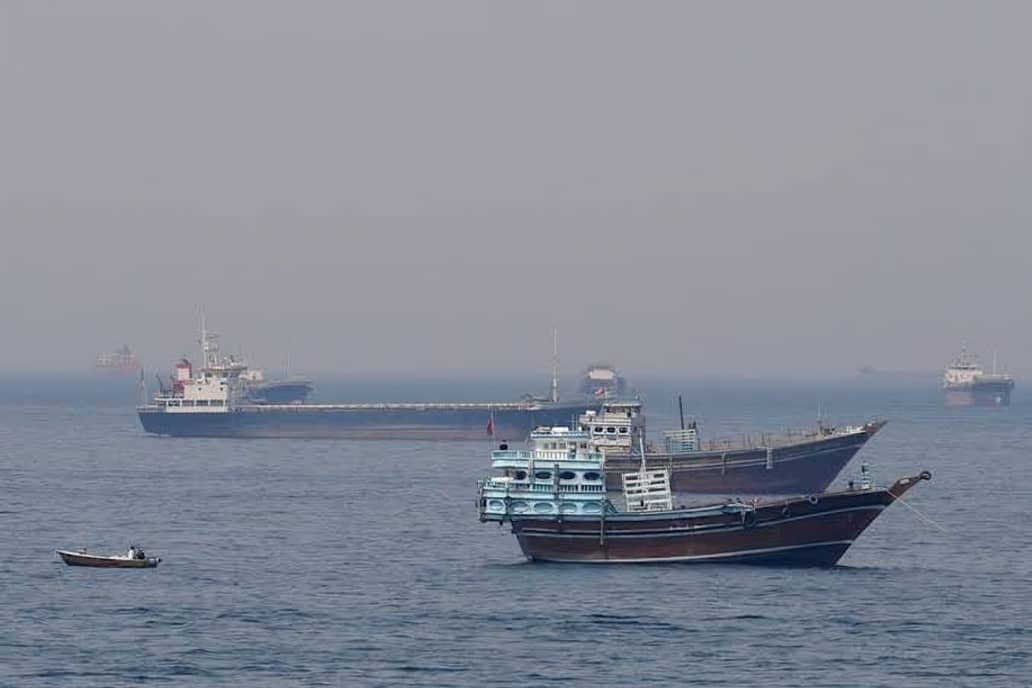
The Strait of Hormuz has become a major point of confrontation in the continuing US Iran crisis. The waterway connects the Persian Gulf with the Gulf of Oman and is a critical route for international oil and gas shipments. Any prolonged disruption can therefore have consequences for energy markets, shipping companies and countries that depend on Gulf energy supplies.
According to recent reporting, the United States has redirected dozens of commercial vessels under its naval blockade. US Central Command has reported that 55 commercial vessels had been redirected as of Sunday, while American forces have also taken action against vessels in the region.
The maritime pressure has increased uncertainty for shipping companies operating near Iranian ports and the Strait of Hormuz. Rerouting vessels can increase journey times, fuel costs and insurance expenses, while continued military tensions can create additional risks for commercial operators.
Iran has maintained that the Strait of Hormuz will not be fully reopened unless Washington meets several conditions. Iranian officials have called for the lifting of the US naval blockade, an end to sanctions and military threats, the release of frozen Iranian assets and compensation for damage caused by recent US and Israeli attacks.
Iranian Foreign Minister Abbas Araghchi has also said that Tehran is not engaged in direct negotiations with Washington. Instead, communication between the two sides has been taking place indirectly through intermediaries.
At the same time, Iran has indicated that discussions with Oman over alternative shipping arrangements through the Strait of Hormuz are approaching their final stages. However, Tehran has made clear that such an arrangement would not automatically mean a complete reopening of the waterway.
The United States has a different position on the issue. Washington wants the strategic waterway reopened for commercial shipping and has used naval pressure as part of its broader strategy towards Iran.
President Trump has described the diplomatic situation as still involving negotiations, while his administration continues to apply economic and military pressure. The conflicting statements from Washington and Tehran have made it difficult to determine whether a broader diplomatic agreement is close.
The situation has also created concerns for international energy markets. The Strait of Hormuz normally carries a significant share of global oil and gas shipments, meaning that prolonged restrictions could affect supply expectations and prices.
For countries in Asia, including India, developments around the Strait are particularly important because Gulf countries are major suppliers of crude oil and other energy products. Higher shipping costs or prolonged disruption could have wider effects on fuel prices, inflation and international trade.
The crisis is also affecting the wider security environment in the Middle East. The continuing confrontation involves military forces, commercial shipping and regional allies, increasing the risk that a local dispute could develop into a broader regional crisis.
Despite the tensions, diplomatic channels remain active through intermediaries. Oman has emerged as an important channel for discussions concerning the Strait of Hormuz, although major differences between Washington and Tehran remain unresolved.
The immediate question is whether the United States and Iran can reach an arrangement that allows commercial shipping to resume more normally while addressing Tehran's demands and Washington's security concerns.
For now, the Strait of Hormuz remains at the centre of the dispute. The US continues to maintain maritime pressure, while Iran is linking the reopening of the waterway to specific political and economic conditions.
Further developments will depend on negotiations through intermediaries, military movements in the region and decisions by both governments regarding sanctions, the naval blockade and shipping access.
The continuing uncertainty means that governments, energy companies and shipping operators are closely monitoring the situation. Any agreement that reduces tensions and restores stable commercial traffic through the Strait of Hormuz could ease concerns in global energy and shipping markets, while further escalation could increase pressure on international trade and regional security.