The conflict involving the United States, Israel and Iran has entered another tense phase, with developments around the Strait of Hormuz adding to concerns about regional security and global energy supplies.
Israeli Prime Minister Benjamin Netanyahu said on Sunday that the Iranian regime was approaching its end and described it as weak and struggling for survival. Netanyahu made the remarks during a government meeting held ahead of Rosh Hashanah. He said Israel had achieved what he described as significant military results but still had further objectives to accomplish.
Netanyahu said that toppling the Iranian regime remained a major objective for Israel. He argued that the Iranian government was under severe pressure and said Israel was determined to complete what it considers its remaining mission. His comments represent the Israeli government’s assessment of the situation and do not establish that a change of government in Iran is imminent.
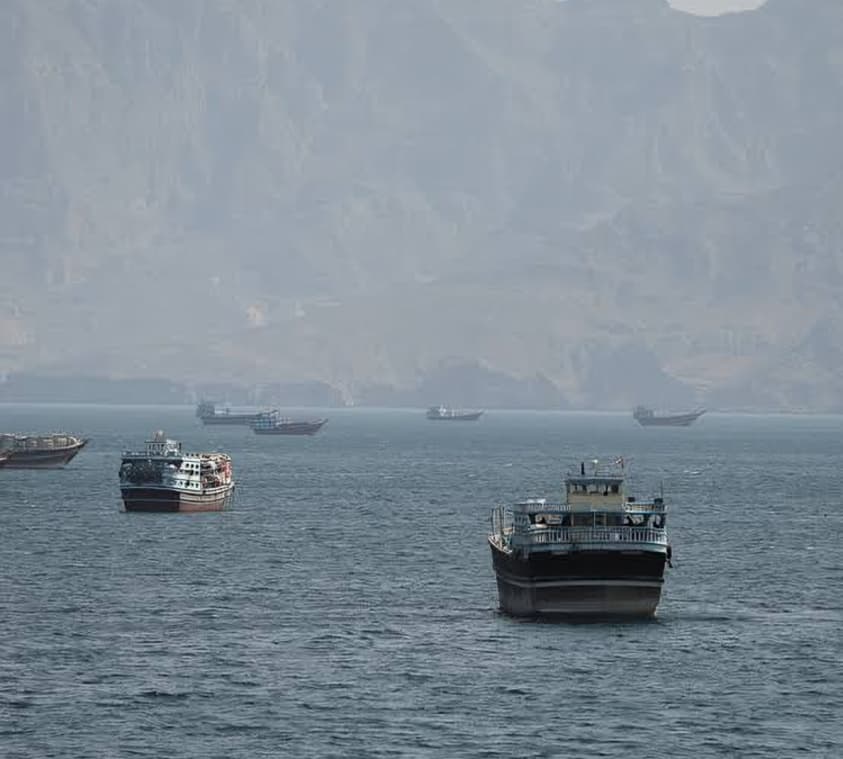
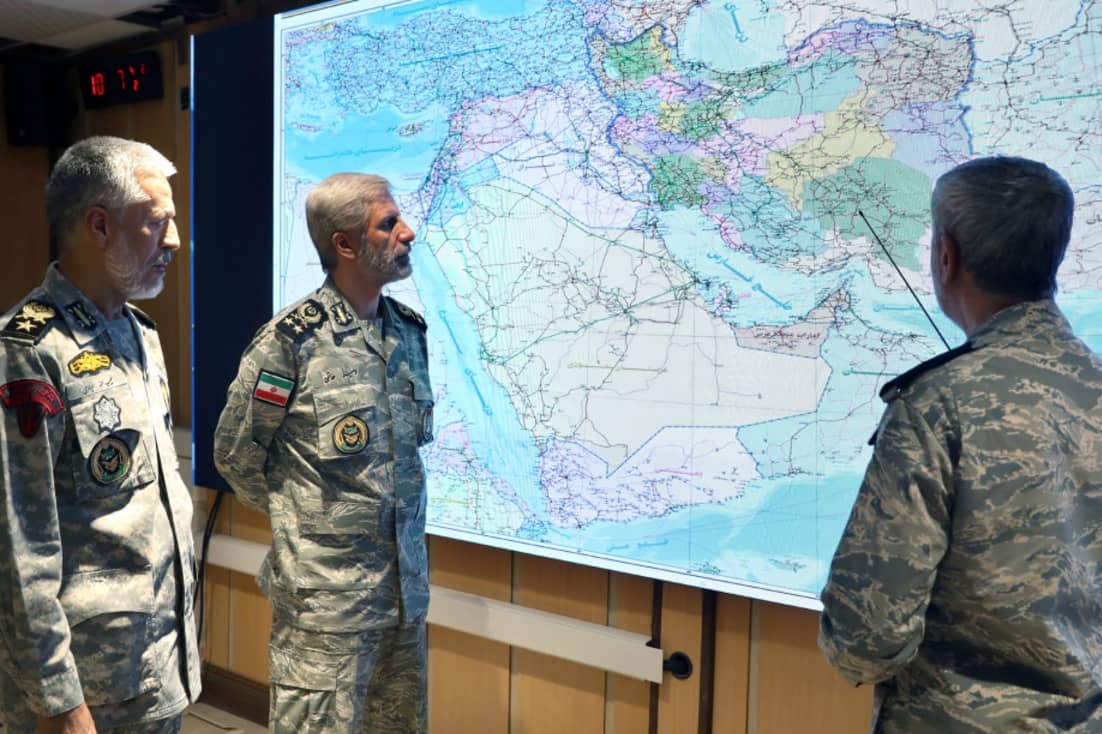
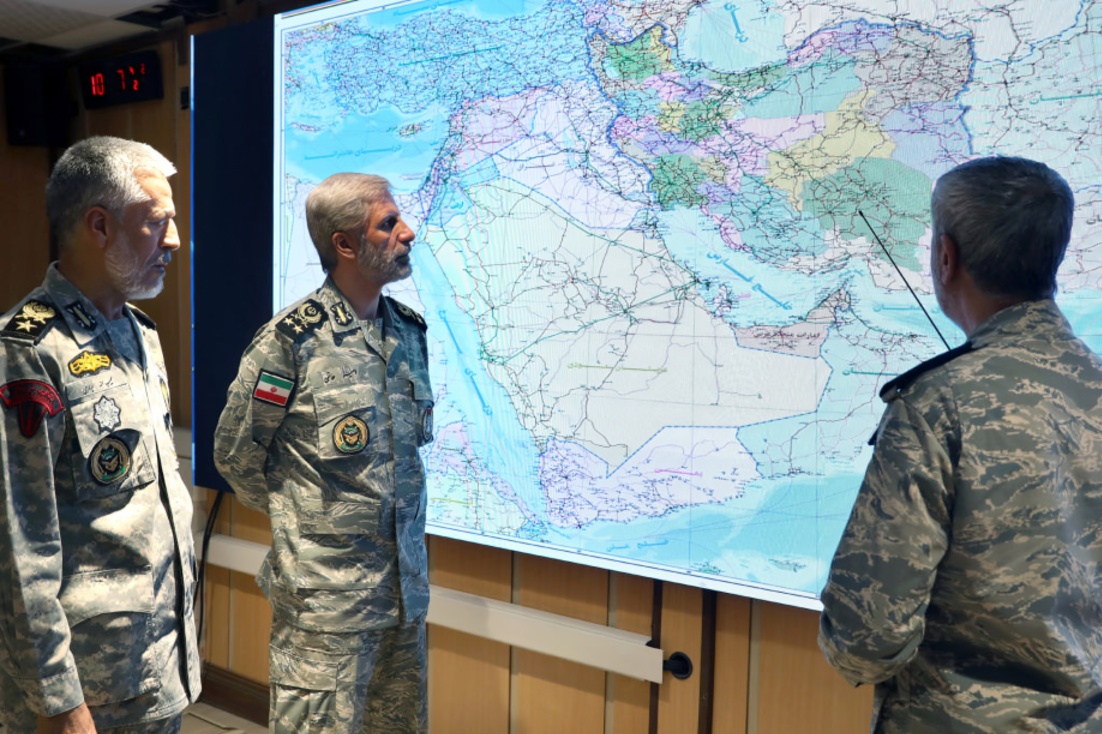
The latest statements came as military tensions between Washington and Tehran continued around the strategically important Strait of Hormuz. Iran’s Supreme National Security Council Secretary Mohsen Rezaei said Tehran would announce a new restricted or prohibited zone outside the Strait of Hormuz in the coming days.
According to reports, Rezaei said the proposed zone would begin from the area identified with the US naval blockade line and extend into parts of the Persian Gulf. He warned that vessels entering the new zone without authorization could be placed on an Iranian sanctions list. Iran has also said it is working on a new shipping corridor through the Strait, with Oman involved in discussions over the proposed route.
The Strait of Hormuz is one of the world's most important energy corridors. Any prolonged disruption to commercial shipping through the waterway could affect oil supplies and energy prices in countries that depend on Middle Eastern crude exports. Recent reports have indicated that shipping activity through the strait has fallen sharply amid the continuing confrontation.
The latest escalation has also affected international oil markets. Reuters reported that Brent crude prices moved above 97 dollars a barrel on Monday as concerns increased over attacks involving commercial and Iranian vessels. The Strait of Hormuz normally handles a substantial share of global oil transportation, making developments in the area important for energy markets worldwide.
Iran is simultaneously dealing with increasing economic pressure. Iranian authorities announced a higher petrol price for consumers who exceed the country's existing monthly fuel quotas. Iran operates a tiered petrol pricing system, with different prices depending on the amount of fuel purchased during the month.
Under the reported change, the price for petrol consumed beyond the highest existing quota will increase to 10,000 tomans per litre from September 8. Iranian government spokeswoman Fatemeh Mohajerani said the decision followed discussions over how to manage the country's economic situation.
The petrol price increase comes as Iran faces pressure from US sanctions, restrictions on oil exports, inflation and difficulties in accessing foreign currency. Reuters has reported that the economic squeeze has significantly affected Iran's oil exports and access to essential imports, although Tehran continues to resist demands for major policy changes.
Military tensions have also continued around the Strait of Hormuz. Iranian authorities have claimed attacks against US-linked vessels, while the US military has disputed some of Tehran's claims. The United States has also reported strikes against Iranian oil tankers. These competing claims highlight the rapidly changing nature of the conflict and the difficulty of independently verifying every battlefield statement.
The situation has raised concerns about the possibility of further disruption to international shipping. Iran's proposed restricted zone could add another layer of uncertainty for commercial vessels operating near the Strait. At the same time, the United States has continued efforts to maintain the movement of commercial energy supplies while restricting Iranian oil exports.
The diplomatic situation remains uncertain. US officials have indicated that negotiations over Iran's nuclear programme face significant difficulties, while Iranian officials have continued to demand changes in US policy before agreeing to major concessions. The continuing military confrontation has made the possibility of a quick settlement increasingly difficult.
Netanyahu's latest comments therefore come at a time when military pressure, economic restrictions and diplomatic uncertainty are developing simultaneously. While Israel says Iran's leadership is weakening, Iranian officials continue to signal that Tehran intends to resist US and Israeli pressure and maintain control over key strategic interests.
For India and other major energy-importing countries, developments around the Strait of Hormuz remain particularly important because prolonged disruption could influence international crude oil prices, transportation costs and inflation. Any significant increase in global energy prices could eventually affect fuel and other commodity prices in importing economies.
The situation remains fluid, and claims made by the parties involved should be treated with caution until independently verified. The coming days are likely to be closely watched for Iran's formal announcement regarding the proposed restricted zone, developments in shipping through the Strait of Hormuz and any further military or diplomatic moves by the United States, Israel and Iran.