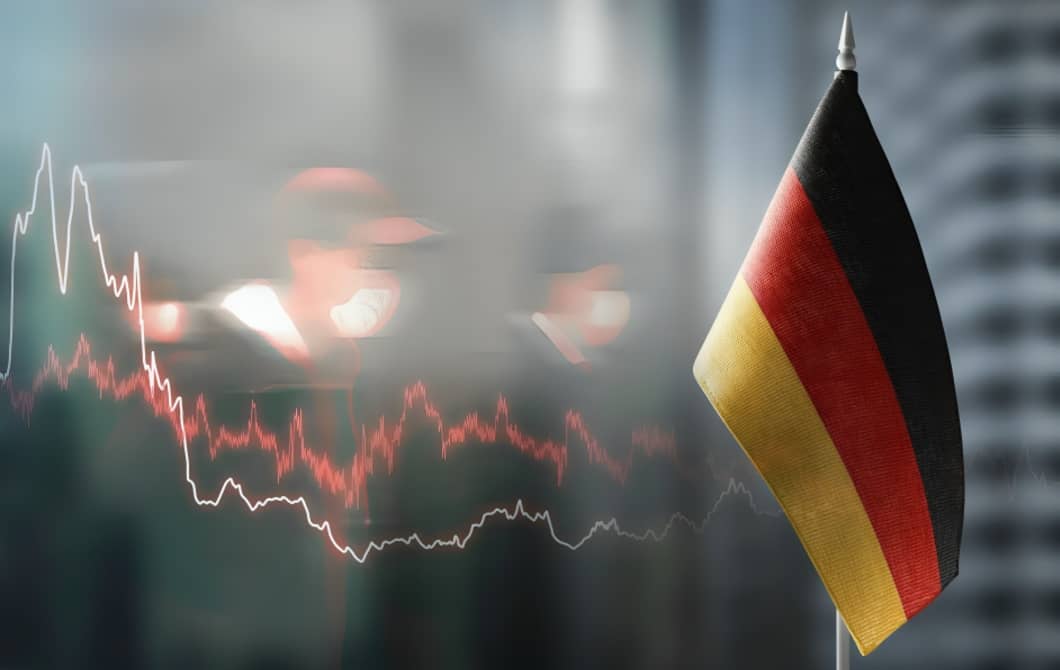

Germany's economic recovery could face significant challenges in the coming months if geopolitical tensions continue to affect global energy markets, according to economists at the German Institute for Economic Research, commonly known as DIW.
Economic experts have cautioned that prolonged instability in key energy-producing regions may increase pressure on Germany's economy, which has been working to strengthen growth following a period of slower economic performance. Rising energy prices, supply uncertainties, and broader global market volatility are among the factors that could impact economic activity.
Germany is one of Europe's largest industrial economies and relies heavily on stable energy supplies to support manufacturing, transportation, and business operations. Any sustained increase in energy costs can influence production expenses, consumer spending, and investment decisions across multiple sectors.
Economists note that geopolitical developments in the Middle East have the potential to affect international oil and energy markets. Global energy prices often react to concerns over supply disruptions, shipping routes, and regional security conditions. Such developments can have consequences far beyond the countries directly involved, influencing economic conditions worldwide.
According to analysts, Germany's recovery remains dependent on several factors, including export demand, industrial production, consumer confidence, and energy affordability. Businesses continue to monitor global developments closely as uncertainty can affect long-term planning and investment strategies.
The manufacturing sector, a major contributor to Germany's economy, is particularly sensitive to fluctuations in energy prices. Industries such as chemicals, automotive production, engineering, and heavy manufacturing require significant energy resources for operations. Higher energy costs can reduce competitiveness and increase operational expenses.
Consumer spending is another area that may be affected by rising energy prices. When households face higher utility and transportation costs, discretionary spending often declines, potentially slowing economic growth. Economists emphasize that maintaining consumer confidence is an important component of economic stability.
Financial markets are also closely tracking developments. Investors generally respond to geopolitical uncertainty by adjusting expectations for growth, inflation, and monetary policy. Central banks and government policymakers may need to evaluate economic conditions carefully if energy-related pressures persist.
Germany has taken several steps in recent years to diversify its energy sources and strengthen energy security. Investments in renewable energy, infrastructure modernization, and alternative supply arrangements have become important parts of the country's long-term economic strategy. However, experts note that global energy market disruptions can still have a significant impact on domestic economic conditions.
Economic forecasts remain subject to change depending on future developments. Some analysts believe that if geopolitical tensions ease and energy markets stabilize, Germany could continue its recovery path. Conversely, prolonged uncertainty and sustained increases in energy costs may create additional challenges for growth.
The German government, economic institutions, and international organizations continue to monitor the situation closely. Policymakers are expected to assess economic indicators regularly and consider measures aimed at supporting growth, maintaining market stability, and protecting businesses and consumers from potential economic shocks.
As Europe navigates a complex global economic environment, Germany's performance will remain an important indicator for the broader regional economy. Future developments in energy markets and international relations are likely to play a key role in shaping the country's economic outlook during the remainder of the year.