
Officials in Germany have responded to growing international discussions regarding possible changes in United States military deployments in Europe. Concerns were raised following statements linked to Donald Trump suggesting a potential review of US troop presence abroad. However, German authorities have downplayed the impact of such developments, stating that national and regional security would remain stable.
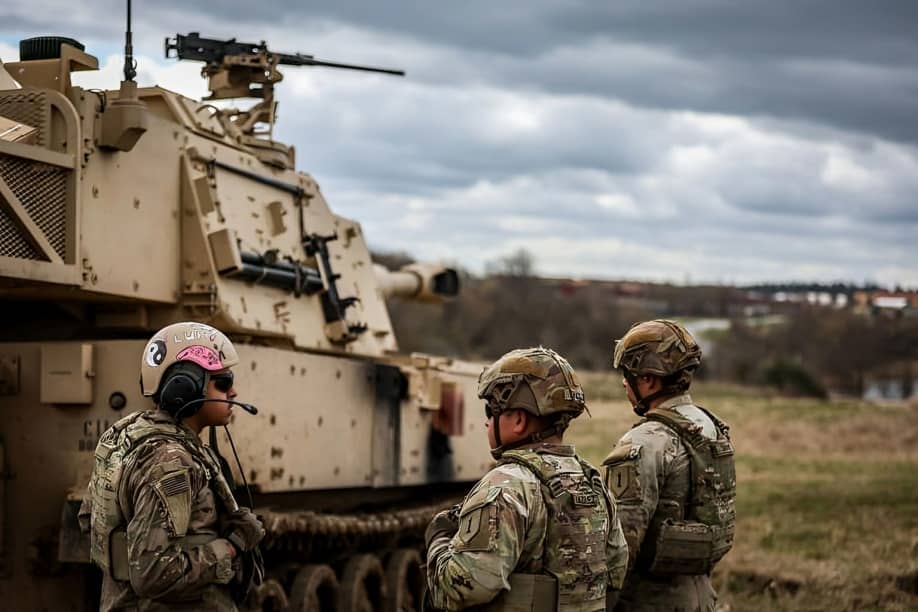
Germany, as a key member of the NATO, hosts a significant number of US military personnel as part of long standing defence cooperation agreements. These deployments have historically been seen as a cornerstone of transatlantic security, contributing to deterrence and strategic stability in Europe.
Despite concerns about possible changes in US defence policy, German officials have expressed confidence in existing security arrangements. They have highlighted the strength of European defence cooperation and the continued commitment of NATO allies to collective security principles. According to officials, current structures are sufficient to maintain stability even if adjustments occur in troop levels.
The debate around US military presence in Europe has gained attention in recent years, particularly in the context of shifting global priorities and defence spending discussions. Some political leaders in the United States have previously questioned the scale and cost of overseas deployments, leading to speculation about future policy directions.
However, European leaders have consistently emphasized the importance of continued cooperation. Defence partnerships within NATO are based on mutual support, and any changes in troop deployment would typically involve consultation among member states.
German defence analysts note that while US forces play an important role in European security, the region has also strengthened its own defence capabilities. Investments in military infrastructure, joint exercises and strategic planning have contributed to improved readiness across European nations.
The current response from Germany reflects a cautious but stable outlook. Officials have indicated that they do not expect immediate disruptions to security arrangements and are closely monitoring developments. They also stress that diplomatic engagement remains essential in addressing any potential policy changes.
Security experts point out that geopolitical stability depends on multiple factors, including international cooperation, economic ties and military readiness. While troop levels are an important aspect of defence strategy, they are part of a broader system of alliances and agreements.
The situation also highlights the importance of communication between allied nations. Clear dialogue and coordination help ensure that any adjustments in defence policy are managed in a way that maintains stability and trust among partners.
As discussions continue, NATO members are expected to remain engaged in consultations regarding long term defence planning. The alliance continues to adapt to evolving global challenges, including regional conflicts and emerging security threats.
Overall, Germany’s response indicates confidence in the resilience of existing security frameworks. While political debates around US troop deployments continue, officials maintain that current arrangements are sufficient to ensure stability in the region.