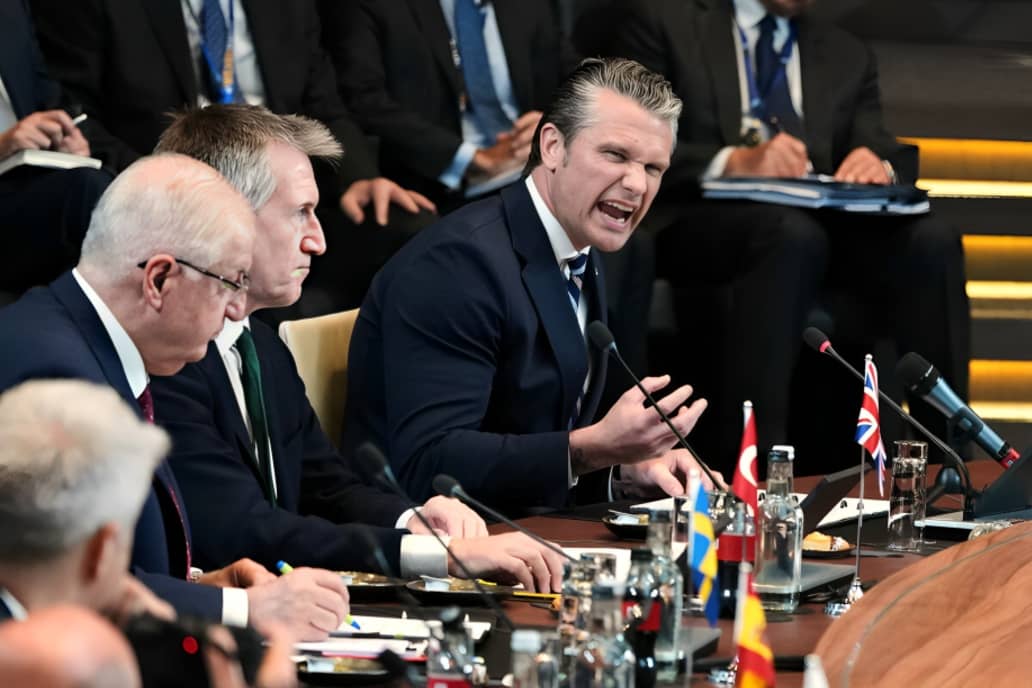
The Pentagon has privately urged several European NATO allies, including Lithuania, Latvia and Estonia, to moderate their public statements about the Russian threat, according to four people familiar with the discussions. The reported request has drawn attention to differences in how the United States and some European partners communicate their concerns about Moscow. It also highlights the diplomatic challenges facing NATO as its members seek to maintain a common position on European security.
The three Baltic countries, Lithuania, Latvia and Estonia, are located in northeastern Europe and share borders or close geographical proximity with Russia and its ally Belarus. Their location has made regional security a major concern for their governments. These countries have consistently emphasised the importance of NATO's collective defence arrangements and have called for strong security measures in response to developments involving Russia.
According to the people familiar with the discussions, US defence officials have privately encouraged these countries to adopt a more measured tone in their public comments about the Russian threat. The reported request suggests that the Pentagon is concerned about how public statements could influence diplomatic relations and wider security discussions. However, the available information does not establish the exact wording of the conversations, the officials involved or whether the countries have agreed to change their public communication strategies.
The issue is significant because NATO operates through cooperation among its member countries. The alliance includes nations with different geographical positions, security priorities and historical experiences. While members share the objective of protecting their collective security, their assessments of specific threats and their preferred diplomatic responses may differ.
The Baltic states have particular reasons to focus on developments involving Russia. Lithuania, Latvia and Estonia were formerly part of the Soviet Union and became independent in 1991. Their historical experiences and geographical location continue to influence their security policies. All three countries joined NATO in 2004, making the alliance's collective defence commitment an important part of their national security planning.
NATO's collective defence principle is outlined in Article 5 of the North Atlantic Treaty. Under this principle, an armed attack against one member is considered an attack against all members, with each ally taking the action it considers necessary to assist the country under attack. This commitment is central to the alliance's security framework and is particularly important for countries located close to potential areas of military tension.
The United States plays a major role in NATO because of its military capabilities, intelligence resources and political influence. Its defence policy and public messaging can therefore affect discussions across the alliance. At the same time, European members have their own national security concerns and domestic political responsibilities. Governments must communicate with their citizens about potential risks while also maintaining diplomatic relationships and avoiding unnecessary escalation.
The reported Pentagon request raises questions about the balance between public warnings and diplomatic restraint. Strong statements about security threats can help governments explain defence spending, military preparedness and cooperation with allies. However, highly confrontational language can also increase political tensions or complicate diplomatic communication. Governments must therefore consider both domestic public opinion and their responsibilities within international alliances.
For the Baltic countries, discussing security concerns publicly is closely connected to national preparedness. Their governments regularly assess developments in the region and work with NATO partners on defence planning. Public statements can serve to communicate risks, reassure citizens and demonstrate support for collective security arrangements. Any change in the tone of those statements would need to be considered alongside their national security priorities.
The reported discussions also underline the importance of coordination within NATO. Member countries need to exchange information, consult one another and maintain a common understanding of security developments. Differences in public messaging do not necessarily mean that allies disagree about the broader need for regional defence. They may instead reflect different views about how concerns should be communicated to the public and international audiences.
Russia remains a major factor in European security planning, particularly following its full-scale invasion of Ukraine in February 2022. The conflict has led European governments to review military readiness, defence budgets and cooperation with NATO. Countries across the region have increased attention to border security, military infrastructure and preparedness for potential emergencies.
The United States and European NATO members have also had to manage different political priorities while maintaining cooperation. Washington's approach to European security, the level of American military involvement and the responsibilities of European allies are recurring subjects in transatlantic discussions. The reported request to moderate public statements about Russia adds another dimension to these ongoing conversations.
It is important to distinguish the reported private discussions from an official NATO decision. The information provided does not indicate that the alliance has adopted a new policy on how member countries should speak about Russia. It also does not establish that Lithuania, Latvia or Estonia have changed their public positions following the reported request. The matter should therefore be understood as a reported communication between US defence officials and some European allies.
Overall, the Pentagon's reported appeal to Lithuania, Latvia and Estonia to moderate their public comments reflects the diplomatic sensitivity surrounding European security. While the Baltic countries continue to focus on the risks associated with Russia, Washington appears to favour a more measured public approach, according to people familiar with the discussions. The issue highlights the challenge of balancing clear security warnings, diplomatic communication and unity among NATO members at a time of continuing tensions in Europe.