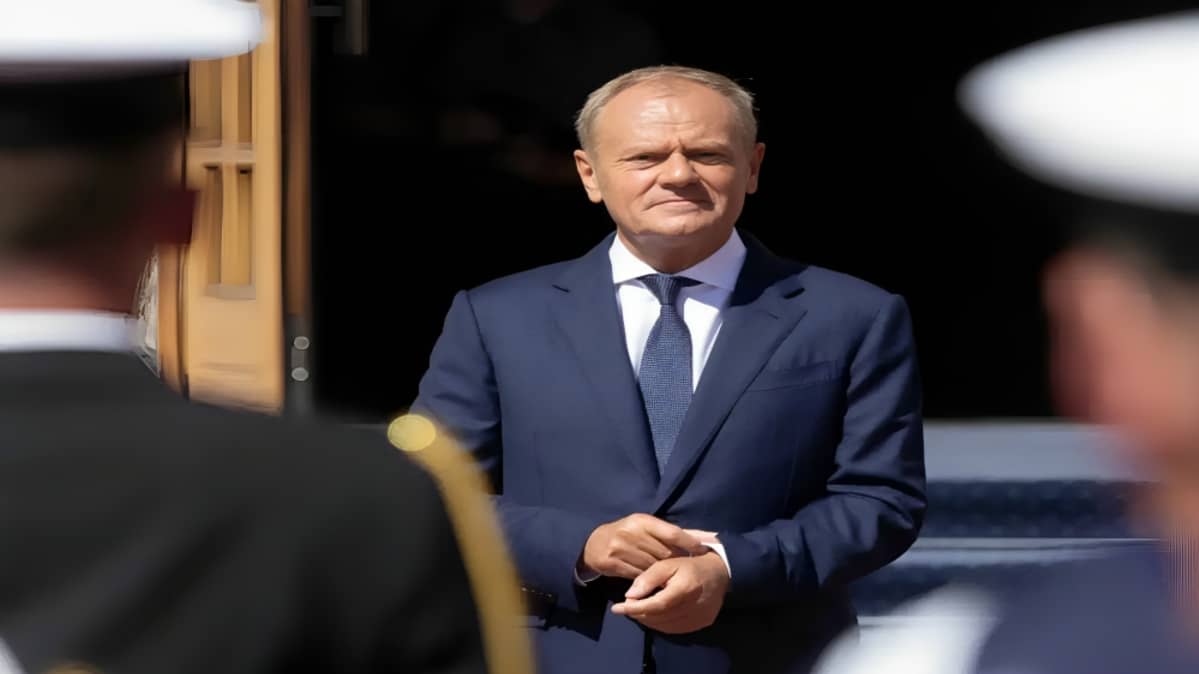
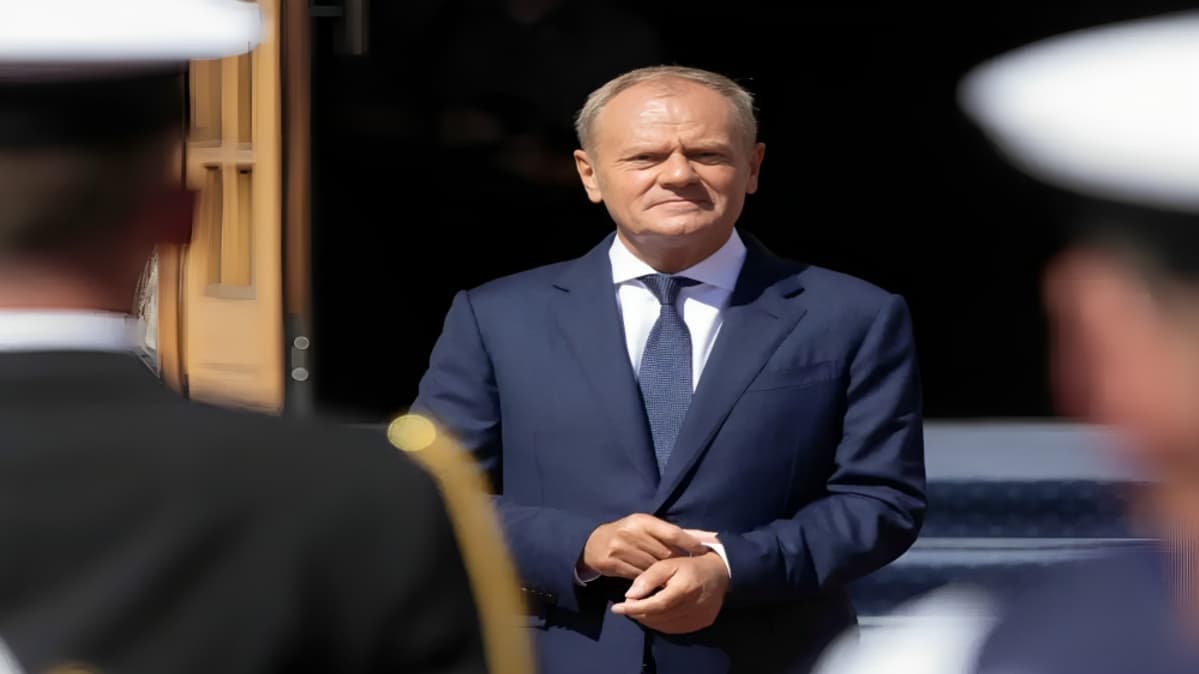
Poland is facing an escalating constitutional crisis as Prime Minister Donald Tusk and President Karol Nawrocki remain locked in a dispute over the country's judicial system. The confrontation has triggered accusations of an attempted coup against the government and raised questions about the balance of power between the executive, presidency and judiciary.
The central issue is the authority to control and reform the Constitutional Tribunal, one of Poland's most important judicial institutions. The tribunal is responsible for examining whether laws and government actions comply with the country's Constitution. Its leadership and judicial appointments have become major sources of political disagreement, particularly since the change of government in 2023.
Prime Minister Donald Tusk's administration has argued that changes are necessary to restore judicial independence and address concerns about reforms introduced by the previous Law and Justice government. The ruling coalition maintains that several changes made during the earlier administration weakened the independence of judicial institutions and created conflicts with European legal standards.
However, President Karol Nawrocki has opposed several measures proposed by the government. His position reflects wider disagreements between the ruling coalition and conservative opposition groups over how Poland's judicial system should operate. The president has also questioned the legitimacy of certain judicial appointments and the procedures followed by the parliamentary majority.
The dispute has become particularly serious following developments involving the leadership of the Constitutional Tribunal. Reports indicate that the tribunal's president, Bogdan Święczkowski, and deputy president, Bartłomiej Sochański, were suspended from their positions. The move prompted objections from members of the institution, who questioned the legal authority behind the decision.
The controversy led to accusations that the government was attempting to take control of an independent constitutional institution. Critics described the developments as an attempted coup, while supporters of the government's actions argued that they were part of efforts to restore the rule of law.
The allegations have not been established as a legal finding. They reflect the competing political and institutional interpretations of the events. The dispute therefore needs to be understood as a constitutional confrontation involving different claims to authority rather than a confirmed military or illegal takeover.
Poland's political system also makes it difficult for the prime minister to exercise complete control over state institutions. Executive authority is divided between the government and the president, while parliament and the judiciary have their own constitutional responsibilities. The president has powers that can influence legislation and government decisions, including the ability to veto certain laws.
The prime minister leads the government and is responsible for implementing domestic policies, managing ministries and coordinating the work of the cabinet. However, the president's constitutional role means that the government cannot automatically implement every proposed reform without considering presidential powers and other legal requirements.
The Constitutional Tribunal is another important part of this structure. Its role is to review the constitutionality of legislation and resolve certain disputes involving state institutions. Any attempt to change its leadership or composition can therefore have wider consequences for the country's constitutional framework.
The disagreement between Tusk and Nawrocki is rooted in developments that began during the previous Law and Justice administration, which governed Poland from 2015 to 2023. During those years, judicial reforms changed the appointment procedures and functioning of several institutions. The reforms faced criticism from opposition parties, legal experts and European Union institutions, which raised concerns about judicial independence.
After taking office in December 2023, Tusk's coalition promised to reverse changes that it considered harmful to the independence of the judiciary. However, implementing these reforms has proved difficult because of resistance from the president and disagreements over the legal procedures required to change judicial appointments.
President Nawrocki's position has added another layer to the political conflict. His opposition to several government measures has created a situation in which the ruling coalition and the presidency often disagree over the future of important state institutions.
The consequences of the crisis could extend beyond the Constitutional Tribunal. A prolonged dispute may affect public confidence in the judiciary, delay important legal decisions and create uncertainty over the authority of government institutions. It could also make it more difficult for Poland to maintain a consistent approach to legal reforms and relations with European partners.
The political implications are also significant ahead of the next parliamentary elections, expected in 2027. The ruling coalition and opposition parties may use the dispute to strengthen their political arguments. Judicial independence, constitutional authority and the relationship between the government and presidency are likely to remain important issues in the country's political debate.
The crisis has also attracted attention across Europe because Poland is an important member of the European Union. The functioning of its courts and constitutional institutions is closely connected to broader discussions about democratic standards, the rule of law and the independence of national judicial systems.
For now, the key question is whether the government and presidency can find a constitutional and legal solution to their differences. Any lasting resolution will require clarity on judicial appointments, institutional authority and the procedures for implementing reforms.
Although accusations of a coup have intensified political tensions, Poland's divided power structure places important limits on the prime minister's authority. The ongoing dispute demonstrates how disagreements between elected leaders and constitutional institutions can create uncertainty even within an established democratic system.
The future of Poland's judicial system will depend on how these competing claims are resolved through legal and constitutional processes. Until then, the confrontation between Donald Tusk and Karol Nawrocki is likely to remain a major challenge for the country's political stability.