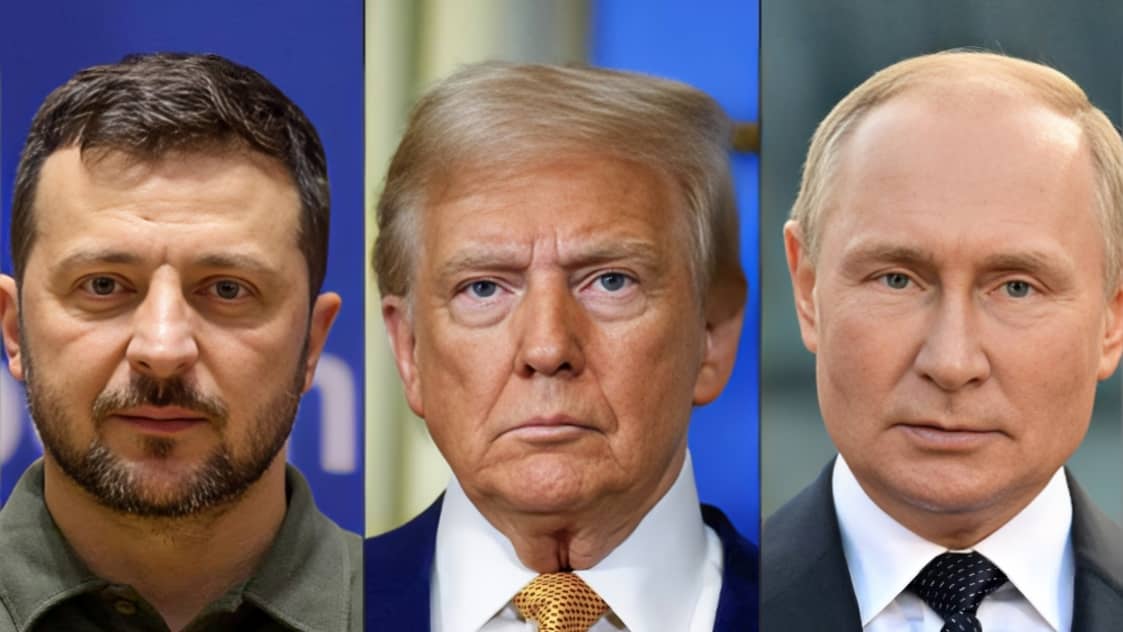

US President Donald Trump has stated that the possibility of resolving the Russia Ukraine conflict is "much closer than people realise" following separate conversations with Russian President Vladimir Putin and Ukrainian President Volodymyr Zelenskyy. His remarks have drawn international attention as diplomatic efforts to end the conflict continue.
According to Trump, the discussions with both leaders were aimed at exploring possibilities for reducing tensions and advancing negotiations. He expressed optimism about the prospects for future diplomatic engagement but did not disclose specific details regarding the conversations or any proposals that may have been discussed.
As of now, neither the Kremlin nor the Office of the President of Ukraine has announced any formal breakthrough resulting from these discussions. There has also been no official confirmation of a ceasefire agreement, peace framework, or negotiated settlement following the reported conversations.
The Russia Ukraine conflict has continued for several years and remains one of the most significant international security challenges. Numerous diplomatic initiatives involving the United Nations, European countries, the United States, Türkiye, and other international partners have sought to facilitate negotiations, humanitarian assistance, and conflict de escalation.
Throughout the conflict, both Russia and Ukraine have maintained differing positions on territorial issues, security guarantees, and conditions for any future peace agreement. These differences have made negotiations complex despite repeated international efforts to encourage dialogue.
Trump's latest comments reflect his view that diplomatic engagement can contribute to reducing hostilities. However, international observers note that any lasting resolution would require formal negotiations between the parties involved and agreement on multiple political, military, and humanitarian issues.
The United States continues to play an important role in international discussions concerning the conflict. American officials have remained engaged with allies and partners while supporting diplomatic initiatives intended to promote regional stability and lasting peace.
Political analysts note that statements expressing optimism about peace negotiations should be distinguished from official diplomatic developments. While public remarks may indicate a willingness to continue dialogue, they do not necessarily represent the conclusion of formal negotiations or the achievement of a final agreement.
The humanitarian impact of the conflict remains significant, with millions of people affected by displacement, infrastructure damage, and economic disruption. International organizations continue to provide humanitarian assistance while calling for measures that protect civilians and facilitate peaceful resolution efforts.
Global leaders have repeatedly emphasized that sustainable peace will depend on meaningful negotiations conducted with the participation of the parties directly involved. Any comprehensive settlement is expected to require internationally recognized agreements addressing security, sovereignty, humanitarian concerns, and post conflict reconstruction.
For now, Trump's remarks represent an expression of optimism regarding diplomatic prospects rather than confirmation of an imminent peace agreement. The international community continues to monitor developments closely, while official negotiations and diplomatic contacts remain ongoing.