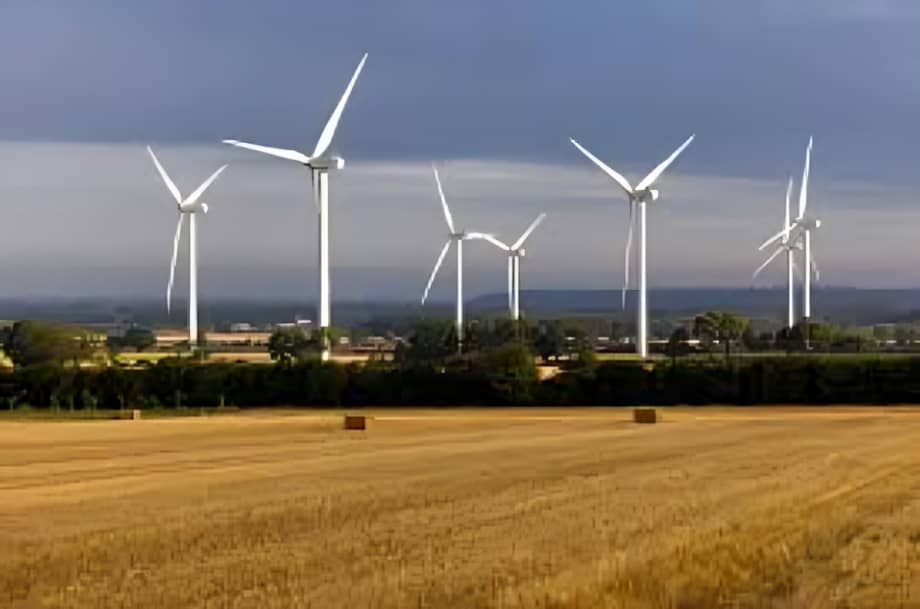

The United Kingdom is intensifying its efforts to transition toward clean energy, setting an ambitious target of achieving 100 percent low carbon electricity by 2030. This push comes at a time when global energy markets are facing uncertainty due to supply disruptions and rising geopolitical tensions, which have highlighted the risks associated with dependence on fossil fuels.
A key component of the UK’s strategy is the rapid expansion of renewable energy, particularly offshore wind power. Large wind farms located off the coast of England have become central to this transition. These facilities, often situated several kilometers into the sea, consist of dozens of turbines capable of generating electricity for tens of thousands of households. They represent significant advancements in engineering and play a crucial role in reducing carbon emissions.
In recent years, the UK has made notable progress in increasing its reliance on renewable energy. By 2025, nearly half of the country’s electricity was generated from renewable sources, with wind energy contributing close to one third of the total output. When combined with nuclear energy, low carbon sources accounted for approximately two thirds of the nation’s electricity supply. This marks a substantial shift from traditional fossil fuel based energy systems.
However, the transition has not been without debate. Some experts and political groups have raised concerns about the reliability of renewable energy sources such as wind and solar, which are dependent on weather conditions. Critics argue that over reliance on these variable sources could pose challenges in maintaining a stable energy supply, particularly during periods of low wind or sunlight.
The opposition Conservative Party has advocated for increased oil and gas exploration in the North Sea as a way to strengthen energy security and potentially reduce energy costs for consumers. They argue that domestic production of fossil fuels could provide a more stable and controllable energy supply.
On the other hand, many energy experts and climate advocates disagree with this approach. They emphasize that expanding fossil fuel extraction may not necessarily lead to lower household energy bills. Instead, they argue that continued investment in renewable energy infrastructure can provide long term economic and environmental benefits. By reducing dependence on imported fuels, countries can better protect themselves from volatile global oil prices and supply chain disruptions.
Additionally, the shift toward clean energy is seen as a crucial step in addressing climate change. The UK government has committed to reducing greenhouse gas emissions and meeting international climate targets. Expanding renewable energy capacity is a central part of this commitment, alongside improvements in energy efficiency and technological innovation.
Overall, the UK’s push for 100 percent clean energy reflects a broader global trend toward sustainable and secure energy systems. While challenges remain, the country’s progress in renewable energy development positions it as a key player in the transition to a low carbon future.