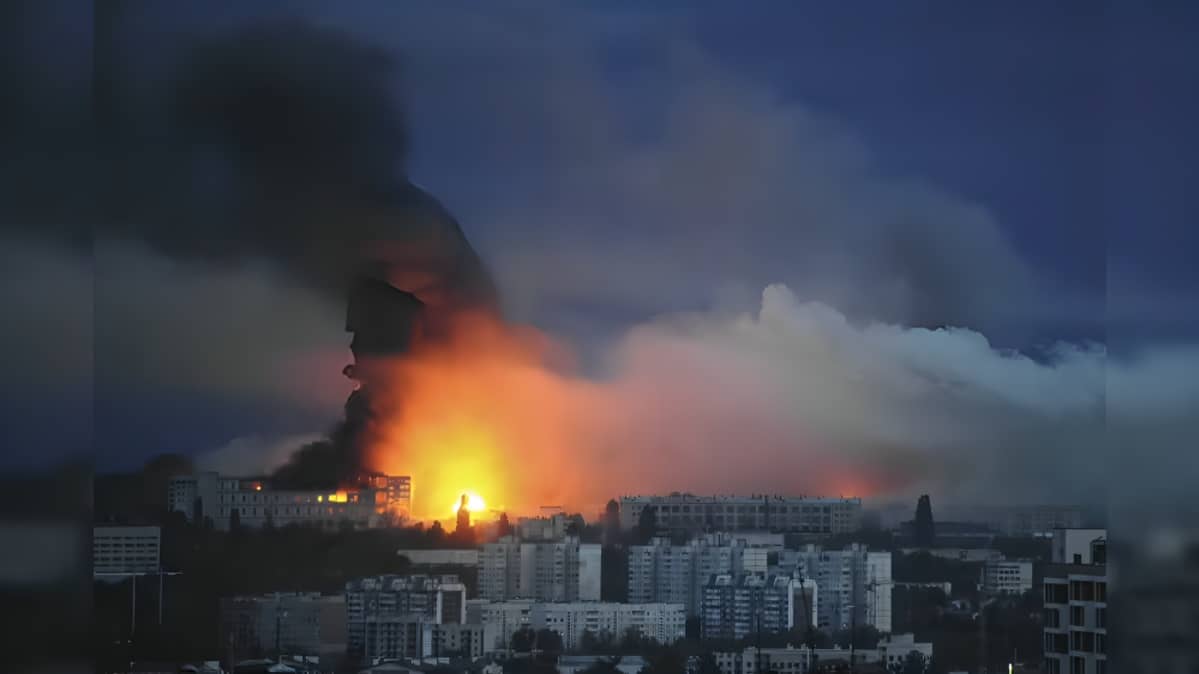
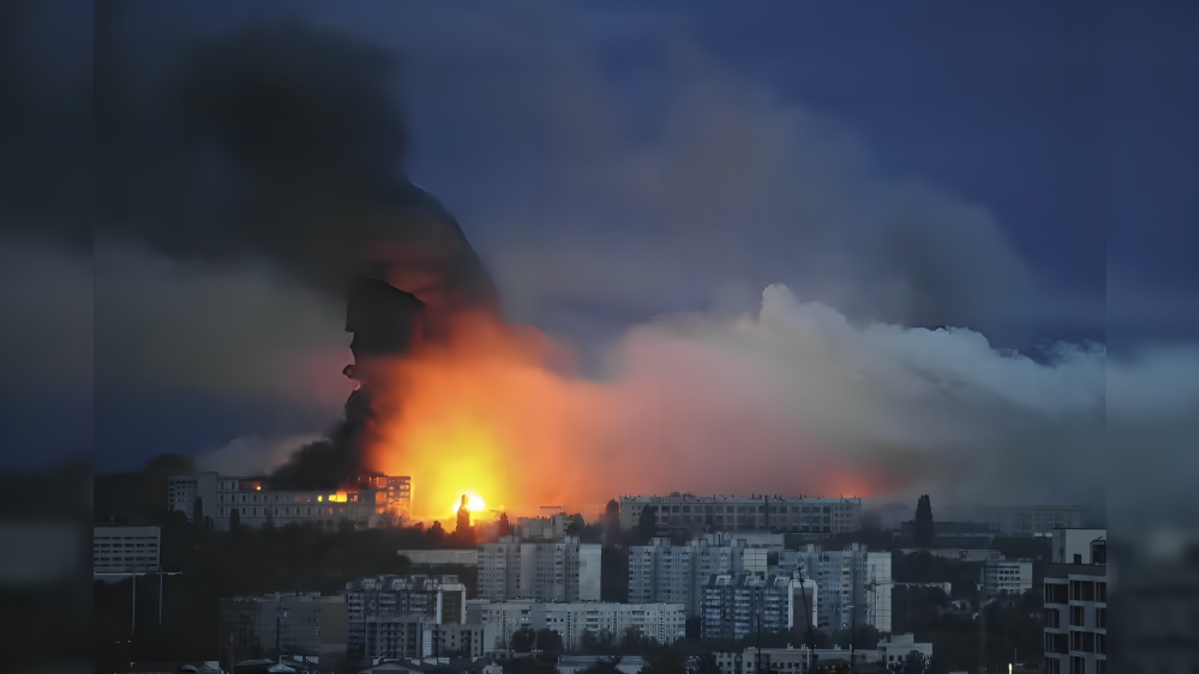
The Russia Ukraine conflict has entered another phase of escalation following reports of fresh drone attacks targeting the Moscow region and other areas inside Russian territory. Russian officials stated that air defense systems were activated to intercept multiple drones, while local authorities confirmed damage to certain facilities, including energy-related infrastructure.
According to official statements from Russian authorities, emergency services were deployed to affected locations after the reported attacks. While several drones were intercepted before reaching their intended targets, some incidents reportedly resulted in property damage and temporary disruptions. Authorities have launched assessments to determine the full extent of the impact.
The latest developments are part of an increasingly sophisticated long-range drone campaign that Ukraine has been employing in recent months. Military analysts note that unmanned aerial systems have become a significant component of modern warfare, allowing countries to target strategic locations far from traditional front-line battle zones.
Since the beginning of the conflict, both Russia and Ukraine have expanded their use of drone technology for reconnaissance, surveillance and military operations. However, recent months have witnessed a notable increase in attacks directed at infrastructure facilities located deep inside each country's territory.
Experts suggest that such operations are intended to disrupt logistics networks, affect industrial capabilities and create strategic pressure on opponents. Energy infrastructure, transportation networks and industrial facilities have increasingly become focal points in the ongoing conflict.
The Moscow region remains one of Russia's most closely protected areas due to its political, economic and strategic importance. Consequently, any reported drone activity near the capital attracts significant attention from both domestic and international observers. Russian authorities have repeatedly strengthened air defense measures around key installations in response to evolving security challenges.
The use of long-range drones has altered the nature of the conflict by extending military operations beyond traditional combat zones. Analysts believe these developments demonstrate how emerging technologies continue to influence modern military strategies. Drone systems offer operational flexibility and can be deployed over considerable distances compared with conventional battlefield equipment.
International observers continue to monitor the situation closely due to concerns about regional stability and the potential impact on global energy markets and economic conditions. Escalations involving critical infrastructure often attract heightened attention because of their broader implications beyond immediate military objectives.
The conflict has already produced significant humanitarian, economic and geopolitical consequences since it began. Governments around the world continue to call for diplomatic efforts aimed at reducing tensions and promoting stability in the region. However, military operations remain ongoing, with both sides continuing to pursue strategic objectives.
Security experts note that drone warfare is likely to remain an important feature of the conflict. Advances in technology have increased the accessibility and effectiveness of unmanned systems, making them valuable tools for surveillance, intelligence gathering and targeted operations.
Meanwhile, residents in affected areas have been urged by local authorities to follow official safety instructions and remain alert to emergency advisories. Response teams continue to monitor developments and assess any damage resulting from the reported incidents.
As the conflict evolves, military analysts expect both sides to continue adapting their tactics and technologies. The increasing prominence of drone operations highlights broader changes in contemporary warfare, where technological innovation plays a growing role in shaping military strategies and outcomes.
The latest reports from the Moscow region underscore the continuing intensity of the conflict and the challenges facing both countries as hostilities persist. International attention remains focused on developments in the region as governments and organizations assess the potential implications for security, diplomacy and global stability.