Ukraine Resumes Drone Attacks on Russian Oil Refineries Despite US Pressure
Ukraine has reportedly resumed drone attacks on Russian oil refineries despite pressure from US President Donald Trump to stop strikes against Russian energy infrastructure. The latest operations have reportedly caused fires at two major refinery facilities in Russia, increasing tensions between Kyiv and Washington over the conduct of the ongoing war.
Russian state media reported that Ukrainian long-range drones struck the Kstovo refinery in the Nizhny Novgorod region overnight on Saturday. The reported attack followed another major strike against an oil refinery in the Samara region, which is owned by Russian state energy company Rosneft.
The renewed attacks come amid discussions between Ukraine and the United States over the impact of strikes on Russian energy facilities. The Trump administration has expressed concern that attacks on oil infrastructure could contribute to higher global fuel prices. However, Ukrainian officials have maintained that the country needs to respond to Russian attacks on its own energy infrastructure.
Ukraine Continues Attacks on Russian Oil Facilities
The latest reported drone strikes indicate that Ukraine has continued targeting facilities connected to Russia's oil industry. The Kstovo refinery in the Nizhny Novgorod region and the Rosneft-owned facility in the Samara region were reportedly affected.
These facilities are important parts of Russia's energy infrastructure. Oil refineries process crude oil into products such as petrol, diesel and other fuels used by the transportation, industrial and military sectors.
Ukraine has repeatedly targeted Russian refineries and fuel-related infrastructure during the conflict. Kyiv says these operations are intended to weaken Russia's ability to finance and support its military campaign.
The Kremlin has criticised the attacks and said Ukraine is ignoring Washington's wishes. Russian officials have also argued that strikes against energy infrastructure could undermine diplomatic efforts to reduce tensions.
Reports of the latest attacks have highlighted the continuing disagreement over whether restrictions should be placed on strikes against energy facilities while diplomatic efforts are underway.
Disagreement Between Trump and Zelenskyy
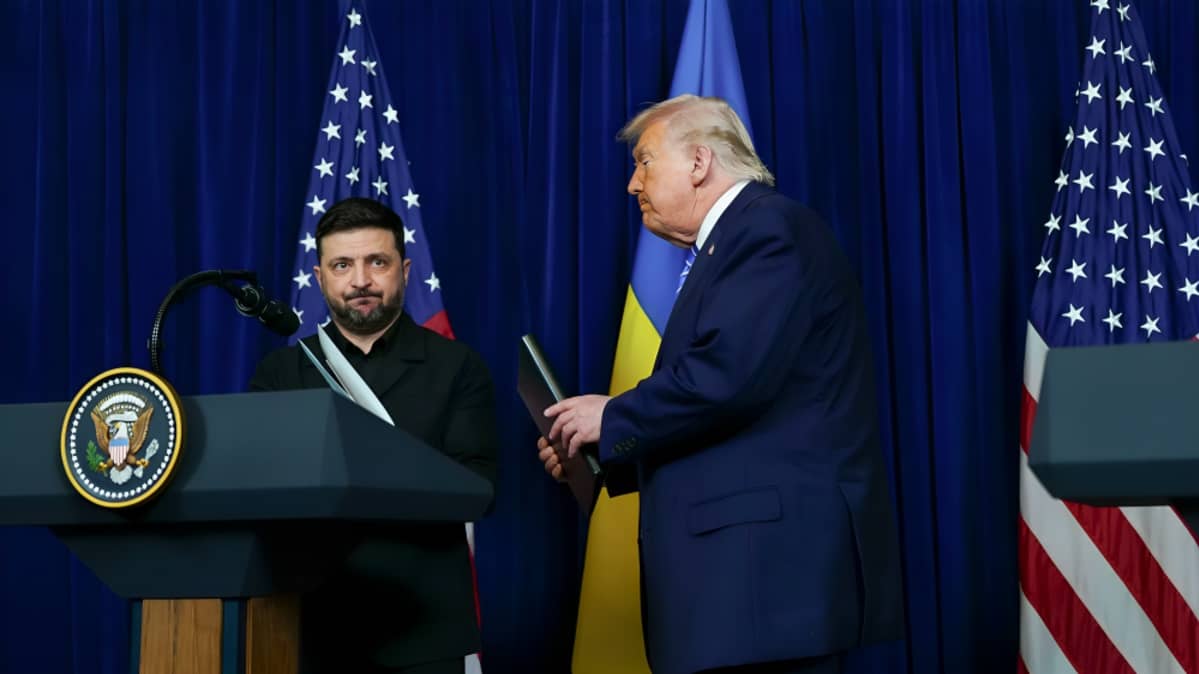
The renewed attacks have exposed differences between US President Donald Trump and Ukrainian President Volodymyr Zelenskyy over military strategy.
Trump has previously urged Ukraine to stop attacking Russian oil infrastructure, expressing concern about the effect of such operations on international fuel prices. His administration has been seeking to reduce energy market uncertainty while attempting to manage the wider conflict.
Reports indicated that the White House had sought a temporary pause in Ukrainian attacks on Russian energy facilities. However, Ukrainian officials told the Kyiv Independent that Kyiv had not agreed to a proposed 30-day suspension of refinery strikes.
Zelenskyy has argued that Ukraine cannot stop responding while Russia continues attacking Ukrainian energy facilities and civilian infrastructure.
In an interview with Fox News on November 1, the Ukrainian president offered an alternative arrangement. He said Ukraine would be prepared to stop attacks on Russian refineries for one month if the United States supplied Patriot air defence missiles for the same period.
Zelenskyy said Ukraine was willing to pay for the missile systems rather than depend entirely on military assistance. His proposal reflects Kyiv's demand for stronger air defence capabilities to protect its cities and energy infrastructure.
The proposal has not been announced as an accepted agreement by Washington.
Zelenskyy Reports Attacks on Russian Defence Facilities
While Russian media reported the refinery fires, Zelenskyy highlighted separate Ukrainian military operations against Russian defence facilities.
The Ukrainian president said his country's forces had struck a defence industry enterprise in Russia's Rostov region that was involved in missile production. He also reported the destruction of a Pantsir air defence system and a command vehicle associated with an S-400 air defence system.
Ukraine described these operations as part of its long-range military campaign against Russian defence capabilities.
The Pantsir system is designed to protect military facilities and other important locations from aerial threats, including drones and missiles. The S-400 is a longer-range air defence system used by Russia to protect strategic areas.
Targeting such systems can affect Russia's ability to defend military infrastructure. However, the extent of the damage and the operational consequences of the reported strikes have not been independently established.
Zelenskyy has continued to present these operations as a response to Russia's repeated attacks on Ukrainian territory.
Russian Attacks Affect Ukrainian Energy Infrastructure
Ukraine has reported continued Russian drone and missile attacks against its energy infrastructure.
Zelenskyy said several Ukrainian regions were hit during overnight attacks, resulting in electricity disruptions affecting hundreds of thousands of households. Kyiv also experienced power cuts lasting between eight and ten hours after damage to a major thermal power facility.
The Ukrainian president warned that Russia was attempting to exploit shortages of ballistic missile interceptors by increasing the intensity of its attacks.
Energy infrastructure has become a major target in the conflict because damage to power stations and electricity networks can affect homes, businesses, hospitals and essential public services.
Ukraine has repeatedly called for additional air defence equipment from its international partners to protect critical infrastructure and urban areas.
The United States has approved a sale of Patriot air defence interceptors worth approximately 2.1 billion dollars. However, Zelenskyy has warned that the delivery of the required missiles could take several years, raising concerns about Ukraine's immediate defence requirements.
Ukraine Reports Heavy Russian Military Casualties
Zelenskyy also reported that Russian forces suffered approximately 54,400 military casualties during October, describing the figure as the highest monthly total since Russia launched its full-scale invasion in February 2022.
The Ukrainian president said the figure included Russian personnel killed and wounded. The estimate was based on Ukrainian military assessments and has not been independently verified.
He also claimed that Ukrainian forces regained approximately 96.2 square kilometres of territory during October. According to his assessment, this was around 10.4 square kilometres more than the territory captured by Russian forces during the same period.
These figures reflect Ukraine's account of the battlefield situation. Russia has not independently confirmed the reported casualty numbers or the territorial assessment.
The conflict continues along several front lines, with both countries reporting military operations and territorial developments.
Temporary Ceasefire in Oleshky Comes to an End
The latest developments also coincided with the end of a temporary ceasefire in the Russian-occupied town of Oleshky in the Kherson region.
The local ceasefire, which remained in effect from October 27 to November 1, was arranged to support humanitarian efforts and the evacuation of civilians.
Ukraine's human rights ombudsman Dmytro Lubinets described the arrangement as an important step in humanitarian cooperation. Reports indicated that residents were reunited with family members during the temporary pause in fighting.
The ceasefire was considered significant because both sides cooperated on a local humanitarian operation despite the wider conflict continuing.
However, Ukrainian observers raised concerns that Russian forces may have used the pause to strengthen their positions and reorganise troops. The end of the arrangement has increased concerns about renewed fighting in the area.
Uncertainty Over Future US-Ukraine Relations
The latest refinery attacks have added another challenge to relations between Washington and Kyiv. The United States remains an important partner for Ukraine, particularly in areas involving military equipment, intelligence and air defence support.
Zelenskyy's proposal to exchange a temporary halt in refinery attacks for Patriot missile supplies highlights the importance Kyiv places on strengthening its ability to defend against Russian missile and drone operations.
For Washington, the issue involves balancing support for Ukraine with concerns about energy prices, diplomatic negotiations and the wider security situation.
The latest developments show that Ukraine is continuing its campaign against Russian military and energy-related targets despite pressure to change its strategy. Meanwhile, Russian attacks on Ukrainian infrastructure remain a major concern.
The future direction of the conflict will depend on military developments, the availability of defence equipment and the diplomatic decisions taken by the countries involved. For now, the renewed refinery strikes underline the continuing challenges facing efforts to reduce tensions between Russia and Ukraine.