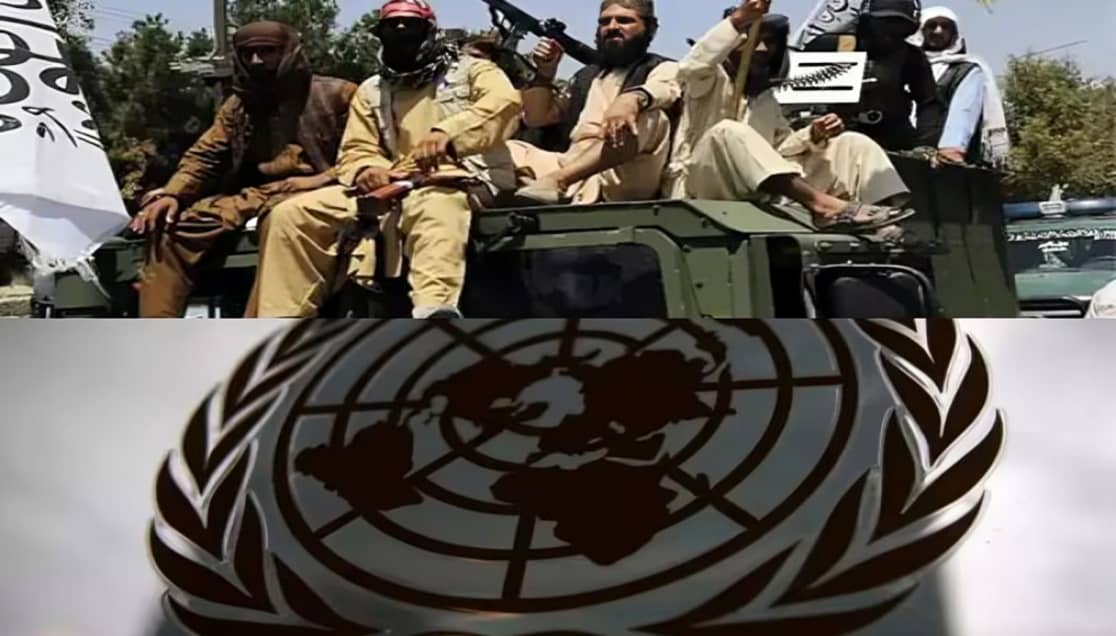

Discussions at the United Nations Security Council have drawn international attention after a proposal supported by Pakistan and China regarding the listing of the Balochistan Liberation Army and its Majeed Brigade under UN sanctions mechanisms did not secure the required consensus.
According to diplomatic reports, the proposal was not approved following objections raised by the United States, with support from the United Kingdom and France. The development highlights the complexities involved in international decision making within the United Nations framework, particularly on matters related to sanctions and security designations.
The United Nations maintains several sanctions mechanisms that are designed to address threats to international peace and security. Any proposal to add individuals or organizations to these lists typically undergoes detailed review and consultation among member states. Decisions often require extensive diplomatic discussions and agreement among participating countries.
The issue has attracted attention because the organizations named in the proposal have already been designated under certain national counterterrorism frameworks by some countries. However, a designation at the United Nations level follows a separate process and requires member states to reach a consensus based on available information and established procedures.
Diplomatic observers note that differences among major powers regarding sanctions proposals are not uncommon. Countries may support or oppose specific measures based on legal considerations, evidentiary standards, procedural concerns, or broader foreign policy priorities. As a result, negotiations within the Security Council often involve extensive consultations before decisions are reached.
Pakistan and China have consistently emphasized the importance of international cooperation in addressing security threats and have supported various initiatives aimed at strengthening counterterrorism efforts through multilateral institutions. The latest proposal was viewed as part of those broader efforts.
Meanwhile, the United States, the United Kingdom, and France have not publicly detailed all aspects of their position regarding the specific proposal. Diplomatic analysts suggest that member states sometimes seek additional information or further consultations before supporting actions within UN sanctions committees.
The development also underscores the broader challenges faced by the international community in achieving consensus on security-related matters. While countries may agree on the need to address threats to peace and stability, differences can emerge regarding the methods, procedures, and legal standards required for international action.
Security experts point out that sanctions decisions made by the United Nations can have significant implications because they carry global recognition and may require member states to implement specific measures under international obligations. Consequently, such decisions are often subject to careful scrutiny and detailed review.
The matter is expected to remain a topic of diplomatic discussion in the coming weeks. Member states may continue consultations through established UN mechanisms as they assess future proposals related to international security and counterterrorism cooperation.
Observers note that the outcome reflects the importance of consensus building within the United Nations system, where major international decisions often depend on extensive negotiations among member states with differing perspectives and strategic priorities.