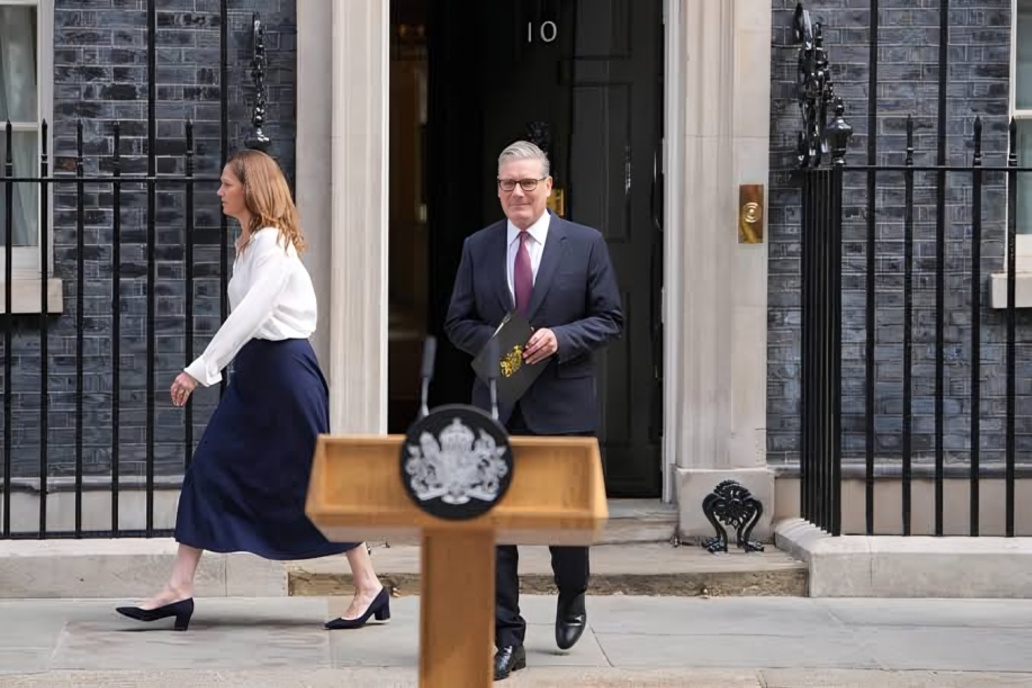
The United Kingdom has experienced a period of frequent leadership changes in recent years, leading to growing public discussion about how prime ministers can change without the country holding a general election.
Unlike presidential systems, the United Kingdom operates under a parliamentary form of government. In this system, voters elect Members of Parliament rather than directly choosing the prime minister. The leader of the party that commands a majority in the House of Commons is typically invited by the monarch to form a government and serve as prime minister.
As a result, if a governing party decides to replace its leader during a parliamentary term, the new leader can become prime minister without the need for a national election. This process is entirely consistent with the constitutional conventions of the United Kingdom and has been used on several occasions throughout modern British political history.
Political leadership changes can occur for various reasons. Prime ministers may resign due to political pressure, internal party disagreements, declining public support, policy disputes, electoral setbacks, or personal decisions. When this happens, the ruling party generally conducts an internal leadership contest to select a successor.
In recent years, the United Kingdom has seen multiple leadership transitions, reflecting periods of political uncertainty and significant national challenges. Issues such as Brexit, economic pressures, inflation, public spending concerns, international conflicts, and domestic policy debates have contributed to intense political competition within governing parties.
Supporters of the parliamentary system argue that leadership changes without a general election provide flexibility and continuity. They believe that governments can respond quickly to political crises by replacing leaders while maintaining stability in administration and policymaking. This approach allows the governing party to continue implementing its agenda without the delays associated with organizing a nationwide election.
Critics, however, argue that frequent leadership changes can create uncertainty and weaken public confidence in political institutions. Some contend that when a new prime minister takes office without a direct public mandate, questions may arise regarding democratic legitimacy and accountability. These concerns often intensify when leadership transitions occur repeatedly within a short period.
Political analysts note that internal party leadership contests have become increasingly significant in British politics. Since party members or elected representatives often play a major role in selecting new leaders, internal political dynamics can directly influence the country's national leadership.
Despite these debates, constitutional experts emphasize that the process remains a legal and established feature of the British parliamentary system. General elections remain the primary mechanism through which voters decide which political party will form the government, while leadership contests determine who leads that party between elections.
The discussion surrounding frequent prime ministerial changes continues to generate interest among voters, political parties, and scholars. As Britain navigates economic, social, and international challenges, questions about political stability, leadership continuity, and democratic representation are likely to remain central topics in public debate.