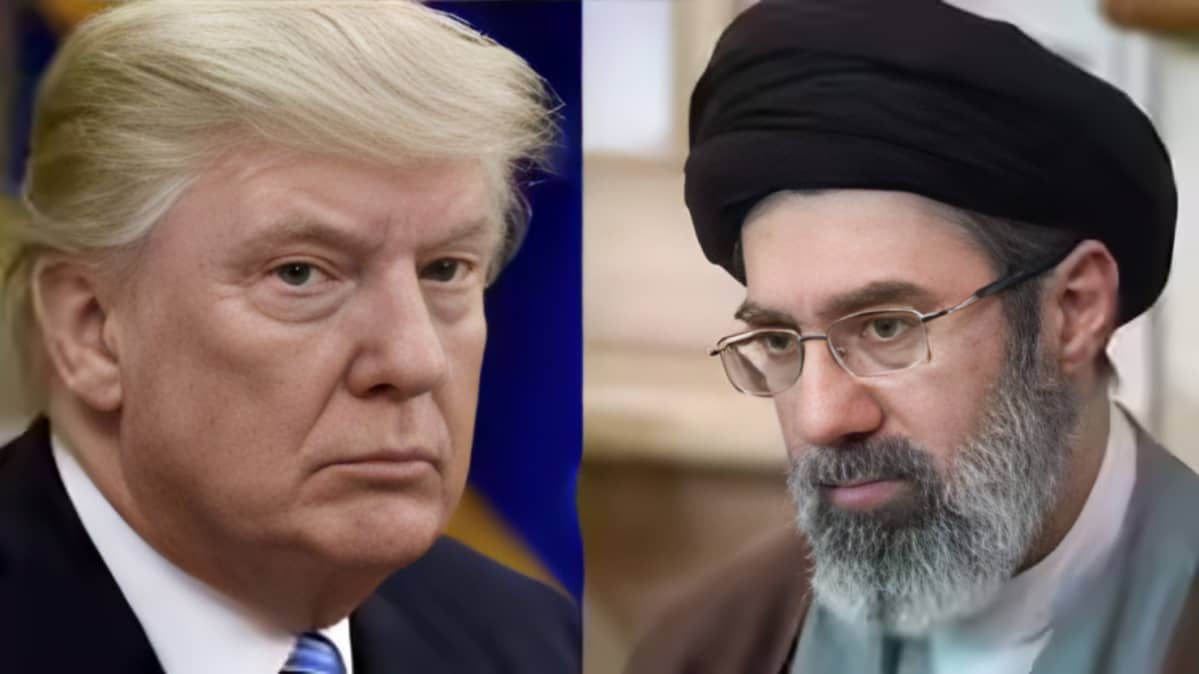
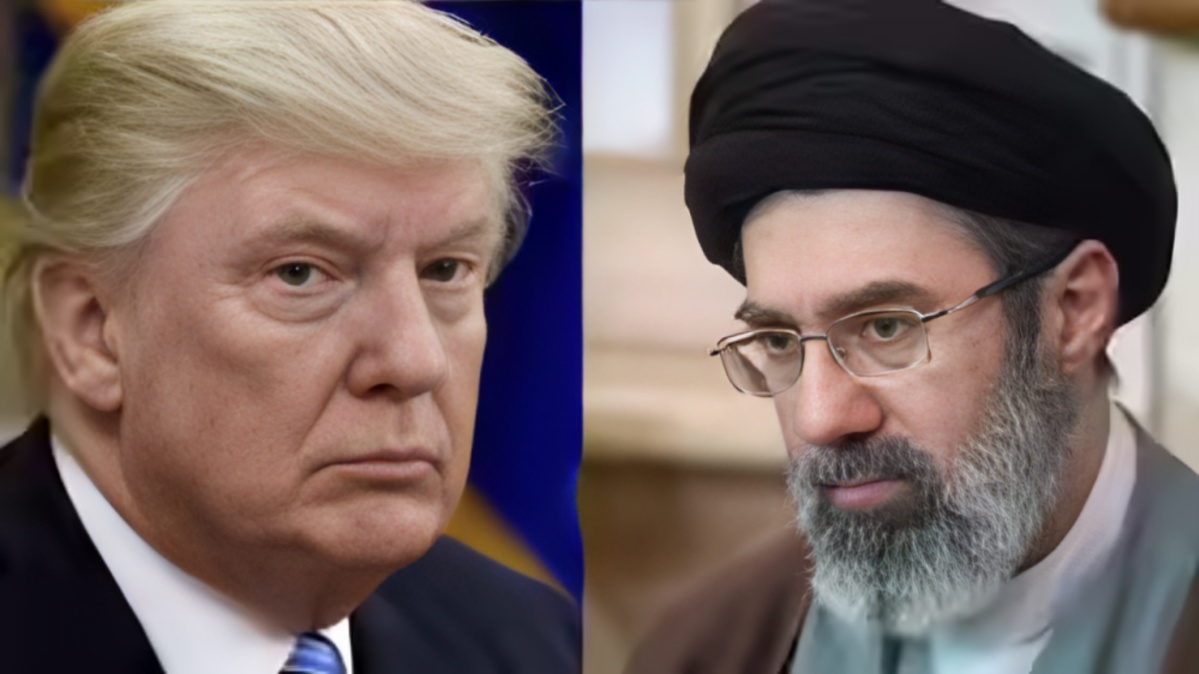
Tensions between Iran and the United States remain high as both countries continue to exchange strong statements following reports of intensified military activity in the Middle East. Iranian officials have reaffirmed the country's defence policy, stating that any attack on its territory or interests would receive a proportional response.
The latest developments come after reports of increased United States military operations targeting locations associated with Iran. The ongoing confrontation has further heightened concerns among regional governments and the international community about the possibility of a wider conflict in the Middle East.
Speaking on the evolving security situation, Iranian officials said the country's defence strategy remains unchanged and is based on responding to military actions directed against Iran. They emphasized that the nation's armed forces remain prepared to defend national sovereignty and security if required.
The remarks have added to growing diplomatic and military tensions between the two countries, which have experienced years of disagreements over regional security, military activities, nuclear issues, and sanctions. The current situation represents another phase in a long period of strained relations between Washington and Tehran.
Military analysts note that any escalation involving the United States and Iran could have significant consequences for regional stability. The Middle East remains strategically important because of its energy resources, international shipping routes, and the presence of military forces from several countries.
One area receiving particular attention is the Strait of Hormuz, one of the world's most important maritime trade routes for crude oil and natural gas shipments. Any disruption to navigation in the region could affect global energy markets and international trade, prompting close monitoring by governments and shipping companies.
The international community has repeatedly called for restraint from all parties. Several countries and international organizations have urged diplomatic engagement to prevent further escalation and reduce the risk of broader regional instability.
Security experts have pointed out that prolonged military tensions could affect civilian populations, regional economic activity, and humanitarian conditions. They stress that diplomatic dialogue remains the most effective means of resolving disputes and avoiding unintended military confrontation.
Governments across the region continue to monitor developments closely while reviewing security measures to protect their citizens and national interests. International observers are also watching the situation for any signs of further military escalation or renewed diplomatic efforts.
Global financial markets have reacted cautiously to developments in the Middle East, with investors closely following geopolitical events that could influence energy supplies and international trade. Oil prices and shipping security remain key areas of concern as the situation continues to evolve.
Diplomatic efforts by regional and international stakeholders are expected to continue in an attempt to reduce tensions and encourage dialogue between the parties involved. Analysts believe that maintaining open channels of communication will be essential to preventing misunderstandings that could lead to a broader conflict.
As the situation develops, governments around the world are expected to continue monitoring military and diplomatic developments while urging restraint and peaceful engagement. The coming days are likely to be significant in determining whether the current tensions move toward de escalation through diplomacy or continue to increase regional security concerns.