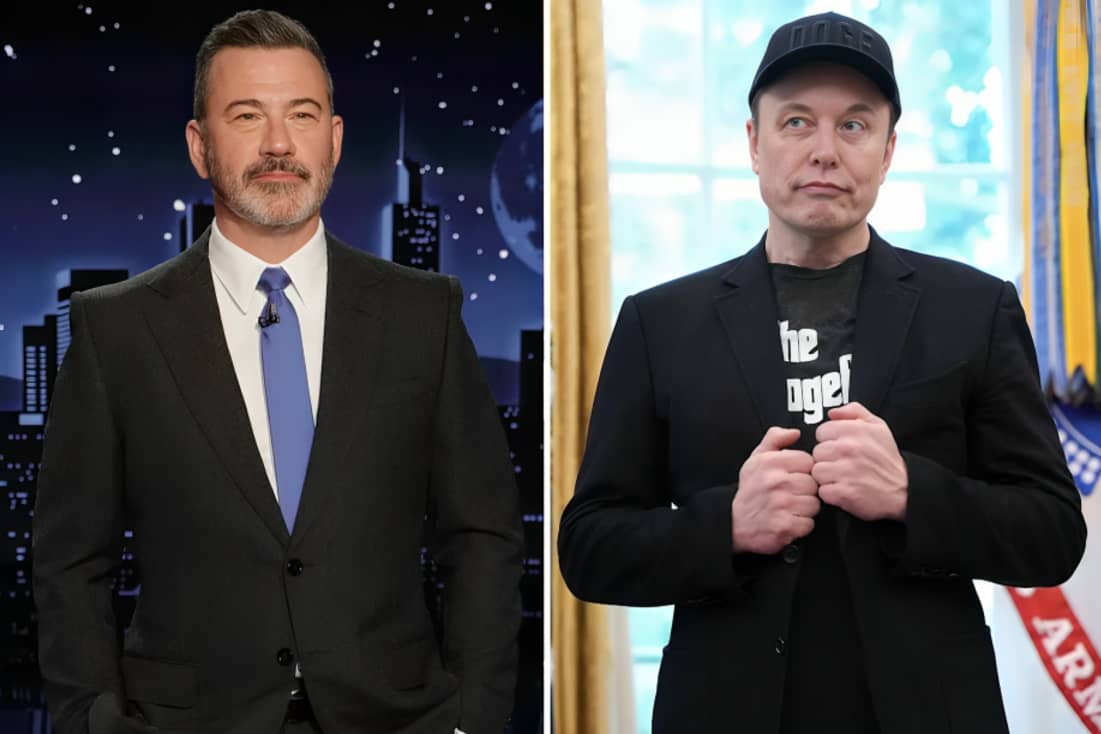
Late night television host Jimmy Kimmel used his opening monologue on a recent episode of his show to comment on entrepreneur Elon Musk and the growing public discussion surrounding his wealth and influence. The remarks came shortly after SpaceX's public market debut, an event that attracted significant attention from investors, analysts, and media organizations around the world.
During the monologue, Kimmel discussed Musk's financial success and the rapid growth of his business ventures. He also raised questions regarding taxation, wealth concentration, and the broader economic impact of some of the world's wealthiest individuals. The comments were delivered as part of Kimmel's regular satirical commentary on current events and public figures.
The discussion gained attention because it coincided with a major milestone in Musk's business career. Following SpaceX's market debut, reports indicated that the value of Musk's holdings increased substantially, further strengthening his position among the world's wealthiest individuals. The event was widely covered by financial media and sparked renewed debate about the influence of technology entrepreneurs on global markets.
Musk is known for leading several major companies, including SpaceX, Tesla, xAI, Neuralink, and The Boring Company. His ventures have played significant roles in sectors such as space exploration, electric vehicles, artificial intelligence, and advanced technology development. Supporters often point to these achievements as examples of innovation and long term investment in future technologies.
At the same time, critics have raised concerns about growing levels of wealth concentration among a small number of individuals. Discussions surrounding taxation, corporate governance, executive compensation, and economic inequality have become increasingly common as the valuations of major technology companies continue to rise.
Kimmel's comments reflect a broader public conversation taking place in many countries regarding the relationship between wealth, taxation, and public policy. Economists, policymakers, and advocacy groups have expressed differing views on how governments should address these issues. Some argue that highly successful entrepreneurs create jobs, drive innovation, and contribute to economic growth, while others believe that tax systems should be adjusted to address widening wealth gaps.
The exchange also highlights the growing intersection between entertainment, business, and politics. Television hosts and media personalities frequently discuss the activities of influential business leaders, particularly when major corporate developments generate widespread public interest.
Neither Musk nor representatives of his companies immediately issued a detailed response to Kimmel's latest remarks. However, Musk has previously responded publicly to criticism through social media platforms and public appearances, often defending his business practices and contributions to innovation.
Industry observers note that public discussions involving high profile figures often attract significant attention because they touch on issues that extend beyond individual personalities. Topics such as economic opportunity, taxation, technological advancement, and corporate responsibility remain important areas of debate around the world.
As SpaceX begins its journey as a publicly traded company, attention is expected to remain focused on both the company's performance and the broader conversations surrounding wealth, innovation, and the role of influential entrepreneurs in modern society. The latest comments from Kimmel have added another perspective to that ongoing discussion.