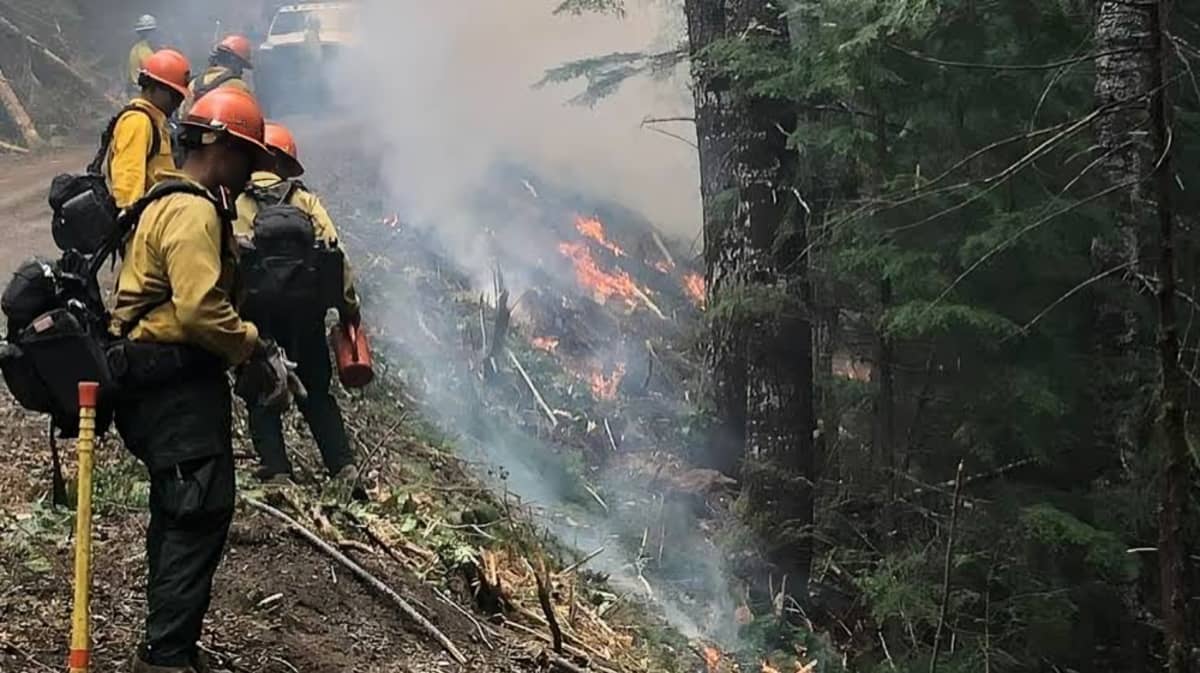

A rapidly spreading vegetation fire, identified as the Locust Grove Fire, has prompted emergency officials to issue Level 3 mandatory evacuation orders near Kennewick in Washington state's Tri Cities region. The wildfire expanded quickly due to dry vegetation and favorable fire conditions, leading authorities to instruct residents in the most affected areas to leave immediately to ensure their safety.
Emergency management officials classified the evacuation as a Level 3 order, commonly referred to as a Go Now evacuation. This is the highest evacuation level used during wildfire emergencies and indicates that conditions pose an immediate threat to life and property. Residents in designated evacuation zones have been advised to leave without delay and follow directions issued by emergency personnel.
Firefighters from multiple agencies have been deployed to contain the blaze and prevent it from spreading into residential neighborhoods and other vulnerable areas. Ground crews, supported by specialized firefighting equipment and, where conditions permit, aerial firefighting resources, are working to establish containment lines and reduce the fire's advance.
Authorities have not released a final estimate of the total area affected, as the fire continues to evolve. Emergency teams are closely monitoring weather conditions, including wind speed, temperature, and humidity, all of which can significantly influence wildfire behavior. Shifting winds and extremely dry vegetation can cause fires to spread rapidly and change direction with little warning.
Residents living near the affected areas have been encouraged to remain alert to official updates and comply with evacuation instructions. Emergency officials emphasized that delaying evacuation during a fast-moving wildfire increases the risk to both residents and first responders. People leaving the area have been advised to carry essential documents, medications, emergency supplies, and personal belongings while following designated evacuation routes.
Local authorities have established emergency response measures to assist displaced residents and coordinate firefighting operations. Traffic management teams are working to keep evacuation routes clear, while emergency shelters may be made available for individuals who are unable to arrange alternative accommodation.
Wildfires remain a recurring challenge across many parts of the western United States, particularly during periods of hot, dry weather. Low humidity, high temperatures, and strong winds can create conditions that allow vegetation fires to spread quickly across forests, grasslands, and rural communities. Fire management agencies regularly encourage residents in wildfire-prone areas to prepare emergency plans and remain informed about changing conditions.
Officials continue to assess the fire's impact on nearby communities, infrastructure, and natural habitats. Damage assessments will be conducted once conditions are safe and emergency responders have greater access to affected locations. At present, protecting lives and preventing the fire from spreading remain the highest priorities.
Authorities have urged the public to rely on official emergency alerts and local government updates for accurate information regarding evacuation zones, road closures, and firefighting operations. They have also advised residents to avoid entering restricted areas, as doing so could interfere with emergency response efforts.
Fire crews will continue suppression operations until the blaze is fully contained. Emergency officials have stated that evacuation orders will remain in effect until conditions improve and it is considered safe for residents to return to their homes. The situation remains dynamic, and authorities are continuing to monitor developments while coordinating resources to protect communities affected by the Locust Grove Fire.