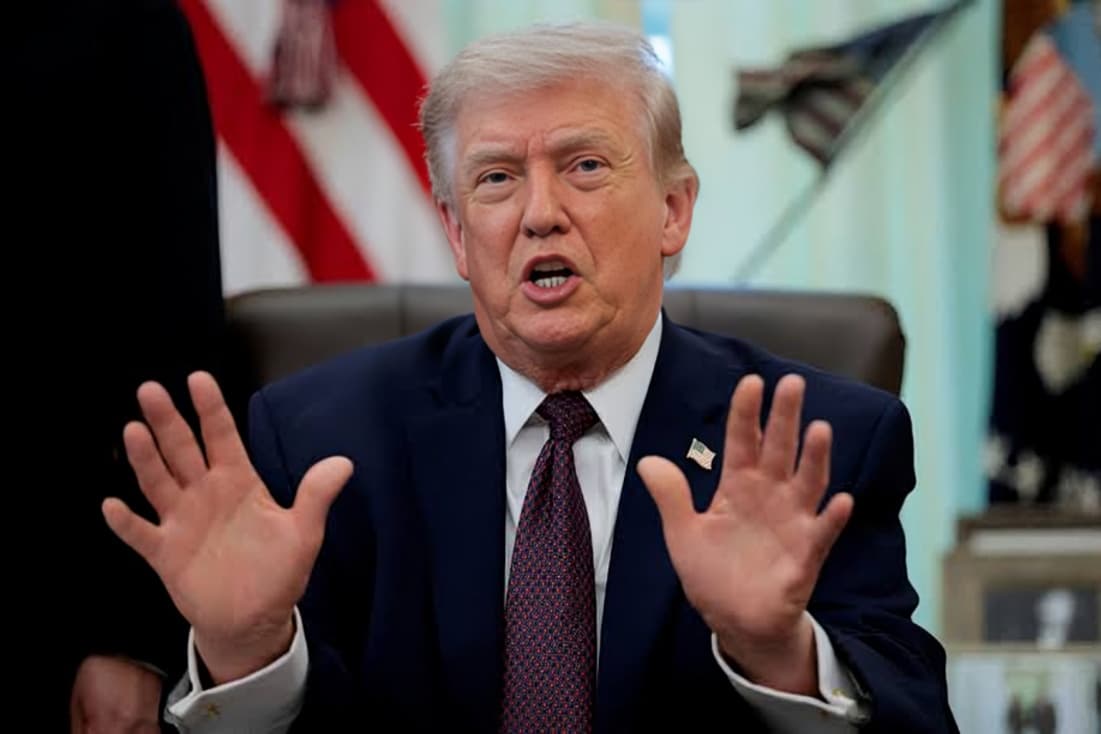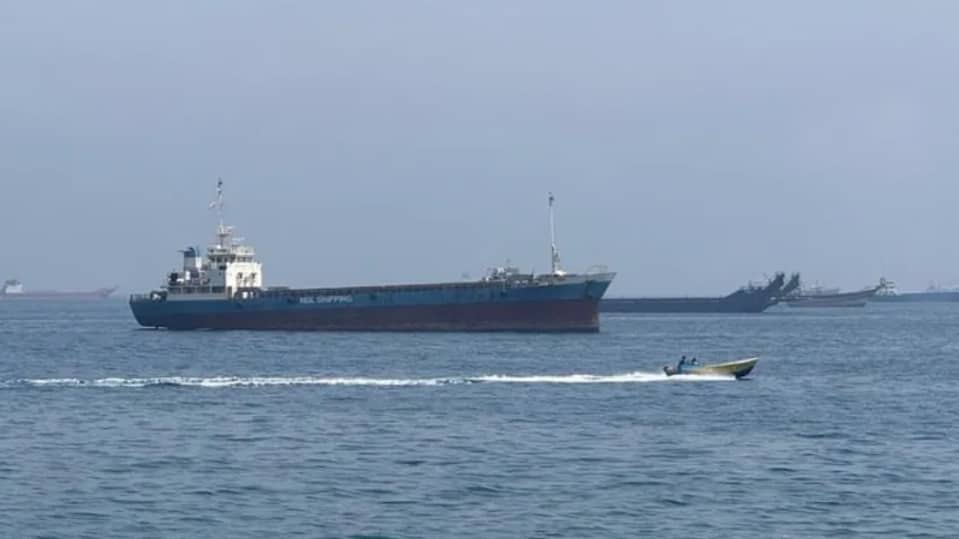
A new media report has claimed that Iranian officials privately informed advisers to former United States President Donald Trump that a recent attack on vessels in the Strait of Hormuz was a mistake. According to the report, the officials suggested that the incident occurred because of actions taken by hardline elements during a period of ongoing diplomatic efforts.
The report states that the alleged communication took place through unofficial diplomatic channels. It claims that Iranian representatives indicated the attack was not intended to undermine negotiations but was instead the result of internal divisions within the country's political and security establishment.
At the time of publication, neither the Government of Iran nor representatives of former President Donald Trump have publicly confirmed that such private discussions took place. No official documents or statements have been released to verify the reported exchange.
The Strait of Hormuz is one of the world's most strategically important maritime routes. A significant portion of global oil and liquefied natural gas shipments passes through the narrow waterway connecting the Persian Gulf with the Gulf of Oman and the Arabian Sea. Any disruption in the region can have implications for international energy markets, shipping operations, and regional security.
Tensions in the Strait of Hormuz have remained high for several years due to disputes involving Iran, the United States, and several regional and international stakeholders. Incidents involving commercial vessels have frequently led to diplomatic exchanges, security concerns, and calls for restraint from the international community.
According to the report, the Iranian officials allegedly conveyed that the attack did not represent the broader objectives of the country's diplomatic engagement. The report further claimed that hardline factions within Iran may have acted independently or in ways that complicated ongoing negotiations. However, these claims remain unverified and should be viewed as reporting rather than established fact.
International observers note that unofficial diplomatic communications often occur during periods of geopolitical tension. Such contacts may be used to reduce misunderstandings, clarify positions, or prevent further escalation. However, the contents of these discussions are rarely made public and can be difficult to independently verify.
The United States and Iran have experienced strained relations for decades, with disagreements over regional security, sanctions, nuclear activities, and maritime navigation. Diplomatic efforts have periodically resumed through direct and indirect negotiations involving regional partners and international mediators.
Security analysts have emphasized that any incident affecting commercial shipping in the Strait of Hormuz receives close attention because of its potential impact on global trade and energy supplies. Governments and shipping companies closely monitor developments in the region to ensure the safety of maritime traffic.
As of now, no official investigation or government statement has confirmed the claims contained in the report. Further clarification may emerge if either government chooses to comment publicly or if additional evidence becomes available.
Until such confirmation is provided, the reported private communication should be treated as an unverified claim attributed to unnamed sources. Readers are advised to rely on official statements and verified information as the situation develops.