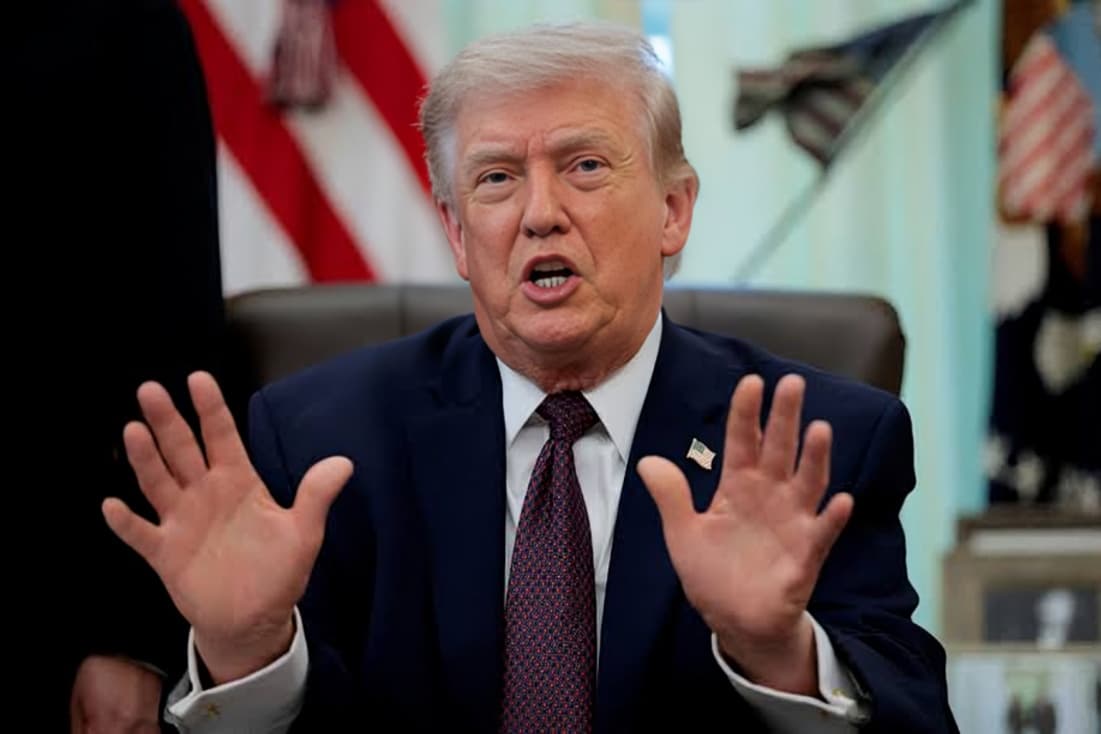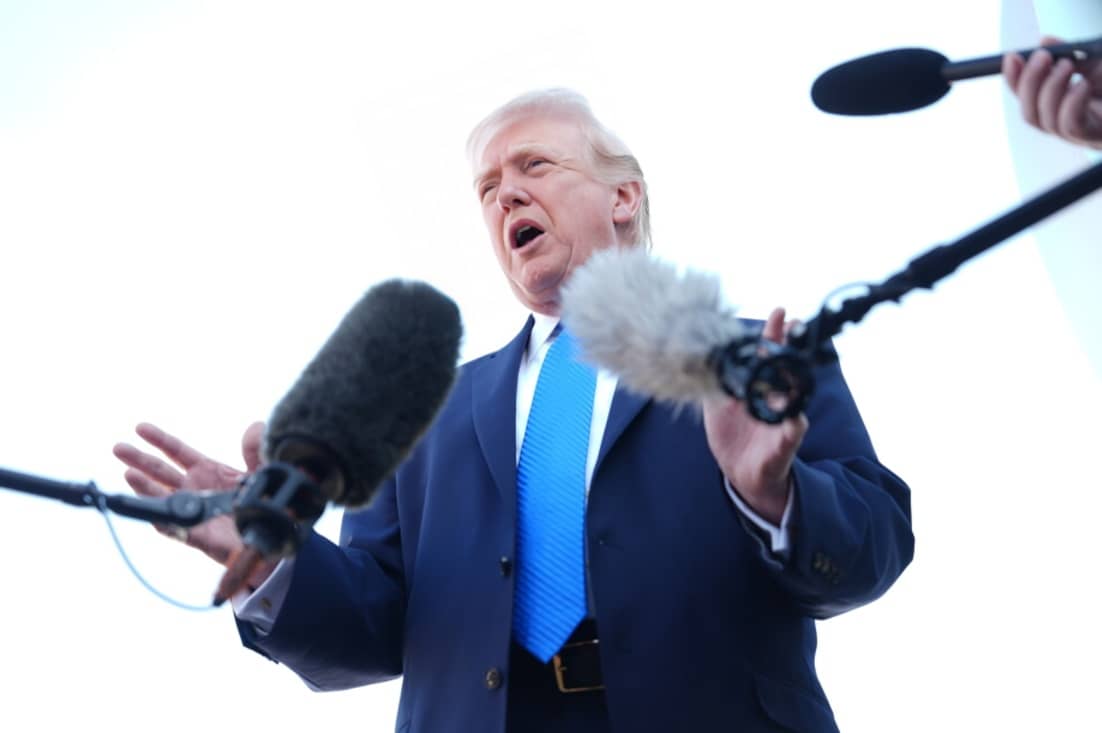

United States President Donald Trump has claimed that the conflict involving Iran has effectively ended, stating during a virtual rally that significant progress had been achieved through diplomatic and strategic efforts. According to Trump, Iran has agreed not to pursue nuclear weapons, a development he described as an important step toward regional peace and stability.
The remarks were made during a public address in which Trump discussed recent developments concerning relations between the United States and Iran. He asserted that the measures taken by his administration had contributed to reducing tensions and creating conditions that could prevent further escalation in the region.
Trump stated that the reported understanding regarding Iran's nuclear activities would help address one of the major concerns that has influenced international relations in the Middle East for many years. The issue of Iran's nuclear program has remained a central topic in global diplomacy, involving discussions among major world powers, international organizations and regional governments.
While Trump's comments have received widespread attention, there has been no immediate official confirmation from Iranian authorities regarding the specific claims made during the speech. International observers have noted that any formal agreement involving nuclear commitments would typically require official announcements and verification through diplomatic channels.
The relationship between the United States and Iran has experienced periods of tension for several decades. Disputes concerning regional security, economic sanctions, military activities and nuclear development have frequently shaped diplomatic interactions between the two countries. As a result, any indication of reduced tensions is closely monitored by governments and international organizations around the world.
Foreign policy experts have emphasized that lasting peace generally depends on sustained diplomatic engagement and mutual commitments from all parties involved. They note that formal agreements often require detailed negotiations, monitoring mechanisms and international cooperation to ensure successful implementation.
The possibility of reduced tensions has generated interest among global markets and political analysts. Stability in the Middle East is considered important for international trade, energy supplies and economic confidence. Any positive developments in diplomatic relations can influence investor sentiment and contribute to broader regional security.
Several countries have repeatedly called for peaceful dialogue and diplomatic solutions to disputes in the region. International organizations have also encouraged efforts that promote stability and reduce the risk of military confrontation. Observers believe that continued communication between governments remains essential for maintaining progress and preventing future conflicts.
Political analysts have cautioned that public statements made by leaders should be evaluated alongside official diplomatic announcements and policy decisions. They note that international agreements typically involve multiple stages of negotiation and implementation before becoming fully effective.
The nuclear issue remains a significant component of international discussions concerning Iran. Over the years, various agreements and negotiations have sought to address concerns related to nuclear development while balancing the country's economic and security interests. These discussions have often involved major global powers and international regulatory bodies.
As attention remains focused on developments in the region, governments and diplomatic observers are expected to monitor official responses from all parties involved. Any confirmed agreement concerning nuclear activities would likely have significant implications for regional security and international relations.
For now, Trump's remarks have added a new dimension to discussions surrounding Middle East diplomacy. Whether the reported developments lead to a formal and lasting agreement will depend on future negotiations, official confirmations and the continued willingness of all parties to engage in constructive dialogue aimed at preserving peace and stability.