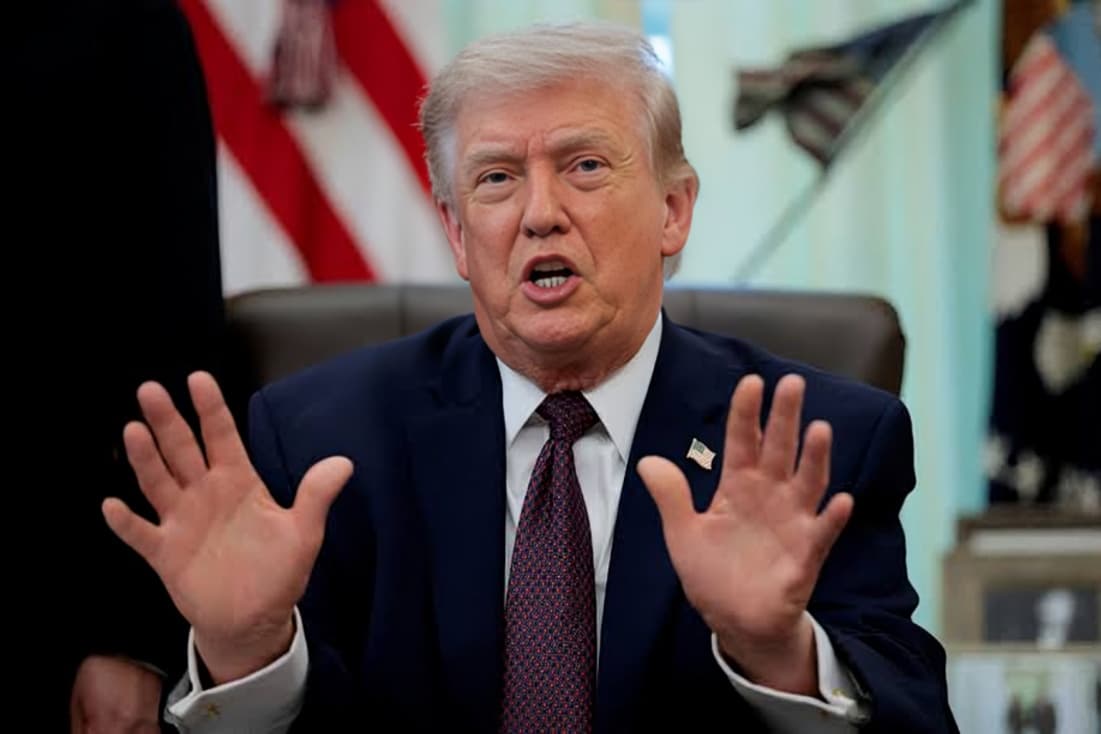
US President Donald Trump has announced a new proposal to impose tariffs on imported generic medicines, describing the move as part of a broader strategy to encourage domestic pharmaceutical manufacturing in the United States. The proposal is intended to strengthen local production, improve supply chain resilience, and reduce dependence on imported pharmaceutical products.
The United States is one of the world's largest markets for generic medicines, and India plays a significant role in supplying affordable pharmaceutical products to the country. Indian pharmaceutical companies manufacture a large share of the generic medicines used by American patients, making the proposed tariff policy an important development for the Indian pharmaceutical industry.
According to the proposal, imported generic medicines could become subject to additional import duties if the policy is implemented. While the final scope, tariff rates, implementation schedule, and product categories have not yet been fully detailed, the announcement has prompted discussions among manufacturers, exporters, healthcare providers, and trade experts.
The stated objective of the proposed tariffs is to encourage pharmaceutical companies to increase manufacturing within the United States. Supporters of the proposal argue that expanding domestic production could strengthen national healthcare security, reduce dependence on overseas supply chains, and improve the availability of essential medicines during emergencies.
However, industry experts note that generic medicines are typically manufactured under highly competitive pricing structures with relatively narrow profit margins. As a result, manufacturers may find it difficult to absorb additional tariff costs without affecting product prices or operational strategies.
For Indian pharmaceutical companies, the United States remains one of the most important export destinations. Many Indian manufacturers have established strong regulatory compliance systems and operate facilities approved by the US Food and Drug Administration. Any increase in import duties could influence export costs, pricing decisions, and future investment strategies.
Economists suggest that if higher tariffs are implemented, pharmaceutical companies may respond in several ways. Some businesses could consider expanding manufacturing operations within the United States, while others may review supply chains, renegotiate contracts, or adjust export pricing. The actual impact would depend on the final structure of the tariff policy and market conditions.
Healthcare analysts have also pointed out that changes in import costs could influence medicine prices if manufacturers are unable to fully absorb the additional expenses. However, the overall effect on consumers would depend on several factors, including competition, insurance coverage, distribution costs, and government healthcare policies.
Trade experts emphasize that the proposal is part of a broader policy discussion regarding strategic manufacturing and industrial competitiveness. Similar debates have taken place in several countries as governments seek to strengthen domestic production in critical sectors such as healthcare, semiconductors, and energy.
At present, the proposal has generated attention among industry stakeholders, but its implementation will depend on the completion of the necessary legal, administrative, and regulatory processes. Businesses in both the United States and India are expected to monitor official announcements closely before making significant commercial decisions.
The pharmaceutical sector remains an important component of economic cooperation between India and the United States. Industry representatives continue to advocate for predictable trade policies that ensure uninterrupted access to affordable medicines while supporting innovation and sustainable manufacturing.