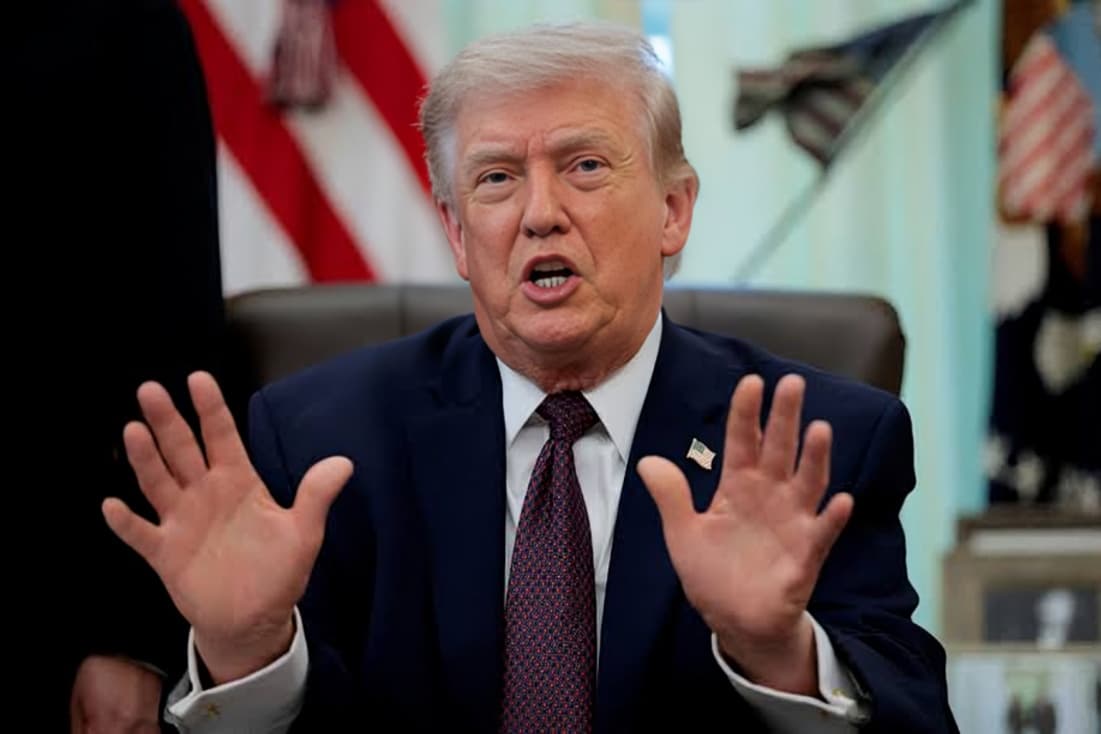

US President Donald Trump has once again claimed that he is the primary target of Iran, stating that he remains at the top of what he described as the country's list of intended targets. The remarks came during a period of heightened tensions between the United States and Iran, with security concerns continuing to dominate international attention.
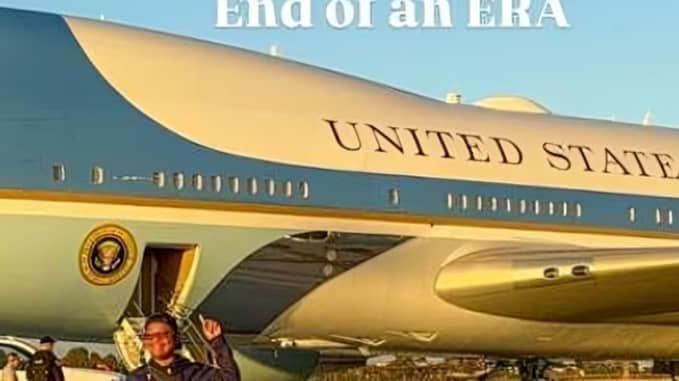
According to reports, journalists traveling with the President aboard Air Force One were instructed to keep the aircraft's window blinds closed during part of the journey. The reported measure was described as a security precaution in light of the prevailing threat environment. However, US authorities have not publicly confirmed whether the instruction was linked to any specific or immediate threat.
Speaking to reporters, Trump said he believed he was Iran's "number one" target. Similar statements have been made by the President on previous occasions, particularly during periods of increased friction between Washington and Tehran. At the time of publication, no official US intelligence assessment has been released publicly confirming the specific claim.
Relations between the United States and Iran have remained strained for several years over issues including regional security, sanctions, military activity and nuclear policy. Periodic exchanges of statements and military developments have contributed to ongoing geopolitical tensions in the Middle East.
Security procedures surrounding the US President are routinely adjusted based on threat assessments prepared by intelligence and security agencies. Measures adopted during presidential travel may vary depending on operational requirements and are not necessarily an indication of an immediate or confirmed threat.
The White House and US security agencies have not released detailed information regarding the reported precautions taken aboard Air Force One. As is standard practice, specific security protocols involving the President are rarely discussed publicly.
Iran has previously rejected various allegations made by US officials regarding threats against American leaders. At the time of reporting, there was no immediate official response from Iranian authorities specifically addressing Trump's latest remarks.
International observers continue to monitor developments closely as tensions between the United States and Iran remain elevated. Analysts have noted that statements made by political leaders during periods of geopolitical uncertainty can have diplomatic and security implications, making official confirmation and verified information particularly important.
Governments and international organizations have repeatedly called for restraint and dialogue to reduce the risk of further escalation in the region. Diplomatic efforts aimed at preventing additional conflict continue alongside ongoing security preparations by the countries involved.
The situation remains under close observation, and further official statements from the White House, US security agencies or Iranian authorities may provide additional clarity regarding the reported security measures and the broader regional developments.