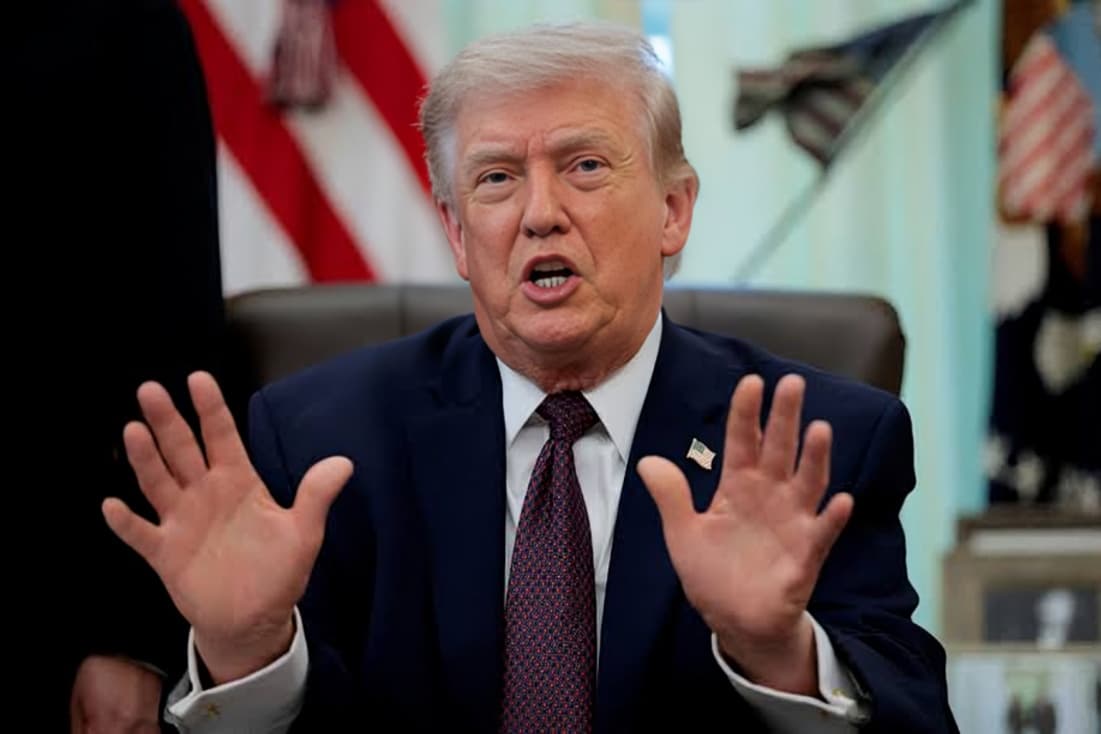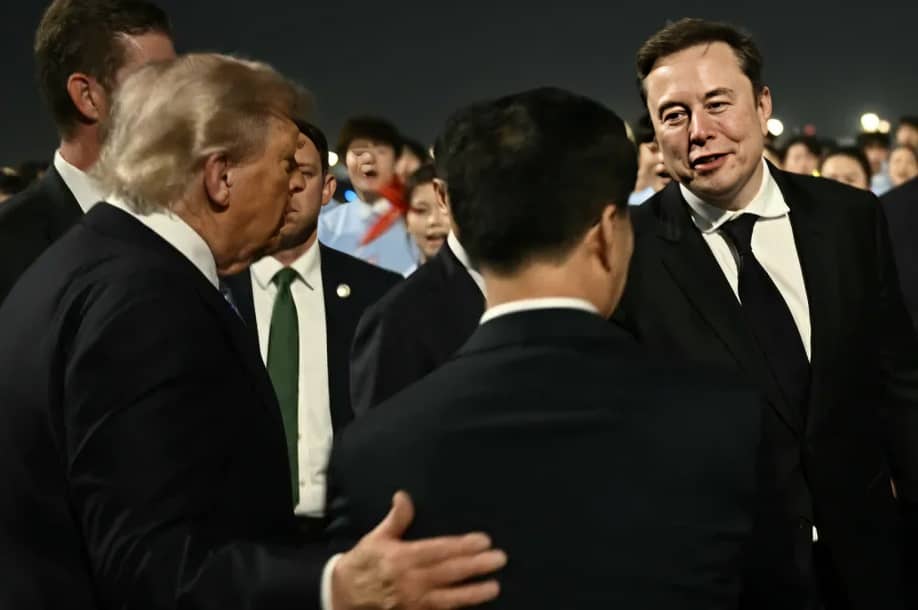
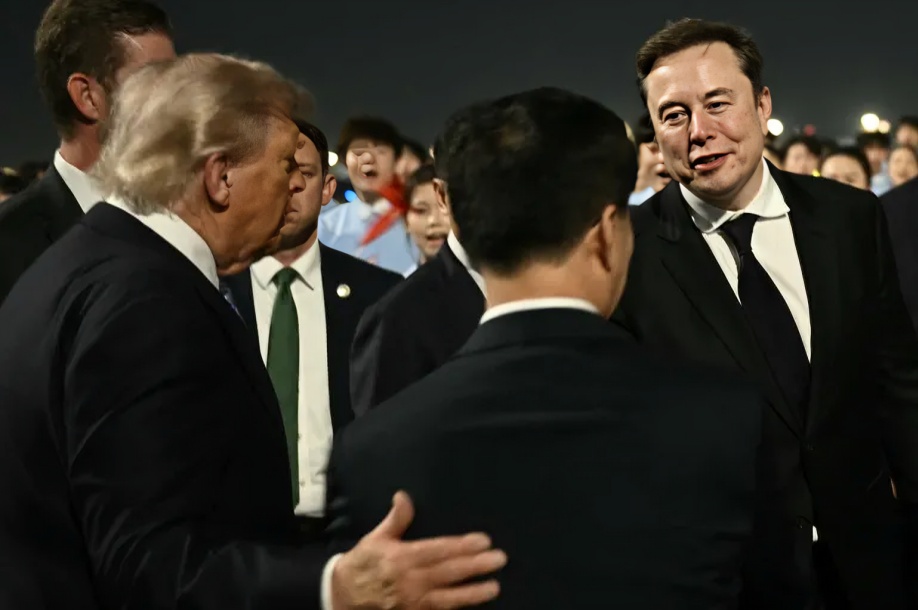
Former United States President Donald Trump visited Beijing accompanied by several leading American business executives, including Elon Musk and Jensen Huang, as part of a high profile US China summit focused on trade, technology, and economic cooperation.
The visit attracted significant international attention because it brought together major political and corporate leaders at a time when relations between the United States and China continue to face economic and geopolitical challenges. Expectations were high that the summit could lead to major announcements involving trade agreements, technology partnerships, or investment initiatives.
During the visit, Trump reportedly described the meetings as productive and expressed optimism about future cooperation between the two countries. The presence of influential technology and business leaders further strengthened speculation that the summit could result in important deals involving sectors such as artificial intelligence, semiconductor technology, electric vehicles, and advanced manufacturing.
However, despite the symbolic significance of the visit and extensive diplomatic engagement, reports suggest that the summit concluded without major concrete agreements or breakthrough announcements. Analysts noted that while discussions were held on several important issues, no large scale trade or technology deals were formally confirmed.
The participation of Elon Musk drew particular attention because of Tesla’s significant business interests in China. Tesla operates one of its largest manufacturing facilities in Shanghai and continues to maintain strong ties with the Chinese market. Meanwhile, Nvidia CEO Jensen Huang’s presence highlighted the growing global importance of semiconductor technology and artificial intelligence industries.
The summit took place amid continuing tensions between the United States and China over trade restrictions, technology regulations, semiconductor exports, and supply chain security. Both countries remain deeply connected economically, yet disagreements over strategic industries and geopolitical competition continue to affect bilateral relations.
Economic experts believe the lack of major agreements reflects the complexity of current US China relations. Issues such as technology transfer, intellectual property, national security concerns, and export controls remain major obstacles to deeper cooperation between the two countries.
Political observers also noted that the visit may have been intended more as a diplomatic and symbolic effort aimed at improving communication and rebuilding confidence between business communities rather than delivering immediate policy breakthroughs.
The global business community closely monitored the summit because developments in US China relations often influence international markets, supply chains, and technology industries worldwide. Companies operating across both countries continue to face uncertainty related to tariffs, regulations, and geopolitical tensions.
Despite the absence of major deals, analysts believe the summit still carried diplomatic importance by creating opportunities for direct discussions between political leaders and major corporate executives. Such engagements may help reduce tensions and maintain economic dialogue between the world’s two largest economies.
As international competition in technology, manufacturing, and trade continues to intensify, future negotiations between the United States and China are expected to remain closely watched by governments, investors, and businesses around the world.