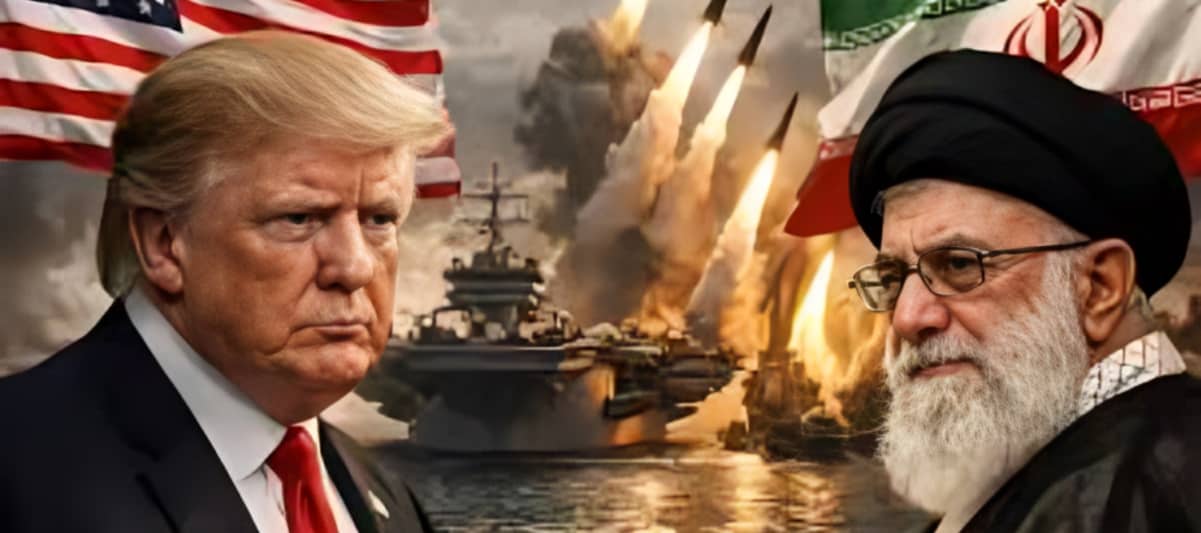

Efforts to reduce tensions in the Middle East have gained momentum as reports indicate that the United States and Iran are working toward a diplomatic agreement intended to address several long-standing areas of dispute. The discussions come after months of heightened regional instability that raised concerns among governments, international organizations and global markets.
Diplomatic engagement between the two countries has attracted worldwide attention because of its potential impact on regional security and international relations. Analysts note that any progress toward an agreement could contribute to reducing uncertainty in a region that plays a critical role in global energy production and international trade.
Recent negotiations have reportedly focused on issues related to regional stability, security cooperation and nuclear-related concerns. Both countries have expressed differing positions on several key matters over the years, making diplomatic progress a complex and closely watched process. Nevertheless, observers believe that continued dialogue represents an important step toward reducing the risk of further confrontation.
The Middle East has experienced significant geopolitical challenges in recent years, including conflicts involving multiple regional actors, disruptions to trade routes and concerns regarding energy security. These developments have often influenced global economic conditions due to the region's importance in international oil and gas markets.
Market participants are paying close attention to the diplomatic discussions because any reduction in regional tensions could influence energy prices and investor sentiment. Stability in the region is generally viewed as beneficial for global supply chains and economic confidence.
Nuclear issues remain one of the most significant topics in relations between the United States and Iran. International discussions concerning Iran's nuclear activities have been ongoing for many years and have involved several world powers and international monitoring organizations. Various diplomatic initiatives have sought to establish frameworks designed to address security concerns while promoting transparency and compliance with international obligations.
Experts emphasize that diplomatic negotiations often require extensive discussions, verification mechanisms and confidence-building measures before agreements can be finalized. As a result, observers caution that while recent developments may indicate progress, substantial work may still be required before any formal arrangement is completed.
Regional governments are also monitoring the situation carefully. Many countries in the Middle East have expressed support for efforts aimed at preserving stability and reducing the likelihood of conflict. International organizations have similarly encouraged dialogue as a means of addressing disputes through peaceful channels.
The possibility of a diplomatic breakthrough has generated discussion among political analysts, who note that successful negotiations could influence broader regional dynamics. Improved communication between major stakeholders may contribute to greater predictability and reduce the risk of unintended escalation.
At the same time, officials continue to emphasize the importance of maintaining security and protecting national interests. Public statements from leaders on all sides reflect the complexity of the issues under discussion and the significance of the decisions being considered.
Global attention remains focused on the negotiations because of their potential consequences for diplomacy, security and economic activity. Developments in the Middle East often have international implications, affecting markets, trade relationships and geopolitical strategies far beyond the region itself.
Observers expect further updates as discussions continue. Any formal agreement would likely include detailed provisions addressing key areas of concern and mechanisms for implementation and monitoring. Until then, governments, businesses and international institutions are expected to closely follow developments.
The ongoing diplomatic efforts highlight the importance of dialogue in addressing complex international challenges. Whether the current negotiations ultimately result in a comprehensive agreement or additional rounds of discussions, they represent a significant development in efforts to promote stability and reduce tensions in one of the world's most strategically important regions.