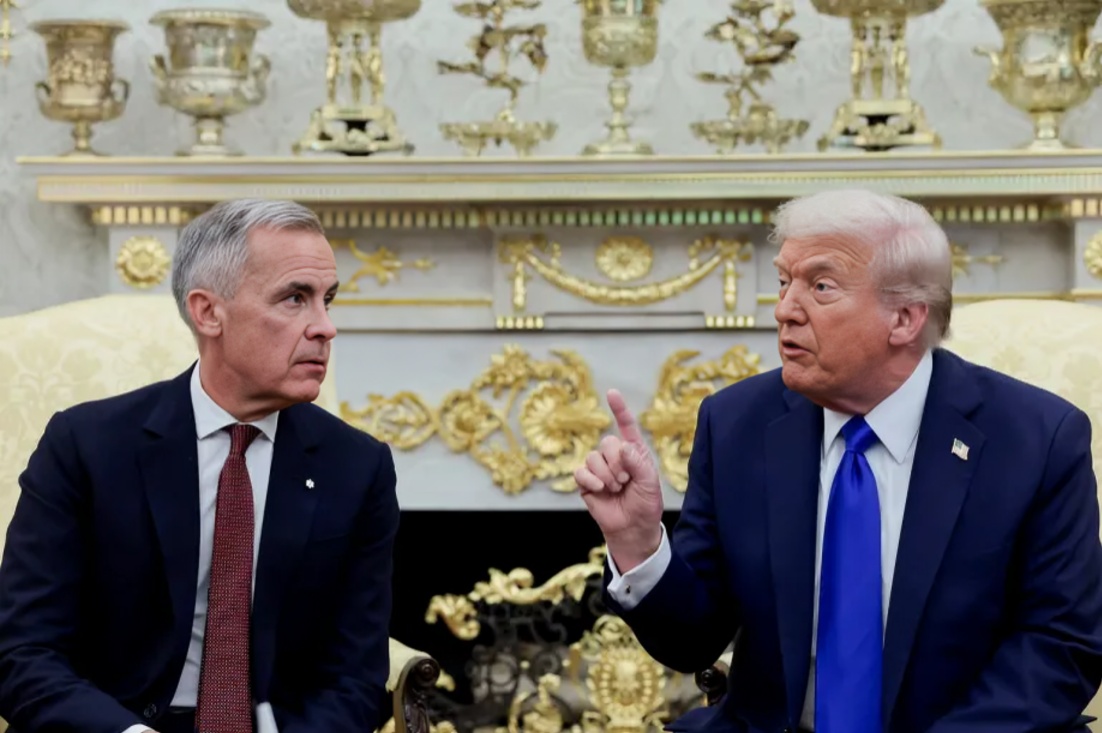
The United States has announced a new round of tariffs of up to 50 percent on selected imports from Canada, marking another significant development in trade relations between the two neighboring countries. The decision has prompted diplomatic and economic discussions, with Canadian Prime Minister Mark Carney stating that Canada remains open to negotiations while also keeping other policy options available.
According to official statements, the new tariffs are part of the United States administration's broader trade policy aimed at addressing concerns related to domestic industries, trade imbalances, and market competition. The specific products affected and the implementation timeline are expected to be outlined through official trade notifications issued by the relevant authorities.
Responding to the announcement, Prime Minister Mark Carney said that Canada prefers dialogue and negotiations to resolve trade disputes. He emphasized that the Canadian government will carefully evaluate the situation before deciding on any further action. While expressing willingness to negotiate, he did not rule out the possibility of responding through appropriate trade measures if required.
Trade experts have advised caution, noting that immediate retaliatory measures could further increase tensions between the two countries. They suggest that both governments should prioritize diplomatic engagement to reach a mutually acceptable solution while minimizing disruption to businesses and consumers.
Canada and the United States share one of the world's largest bilateral trading relationships. Every year, goods and services worth hundreds of billions of dollars move across the border, supporting industries such as manufacturing, agriculture, energy, automotive production, technology, and natural resources. Any major change in tariff policies has the potential to affect supply chains, business costs, and consumer prices on both sides of the border.
Economists point out that higher import tariffs generally increase the cost of imported products, which may lead businesses to adjust pricing, sourcing strategies, or production plans. Depending on the products affected, industries that rely heavily on cross border trade could experience higher operating costs and changes in market competitiveness.
The latest tariff announcement also comes at a time when governments around the world are reviewing trade policies in response to changing global economic conditions. Many countries continue to balance domestic manufacturing priorities with commitments to international trade agreements and long term economic cooperation.
Business organizations in both countries are expected to closely monitor the negotiations, as stable trade relations remain important for investment, employment, and economic growth. Industry representatives have frequently called for predictable trade policies that allow companies to plan long term investments with confidence.
International trade specialists note that formal negotiations often continue even after tariff announcements are made. Diplomatic discussions may result in revised agreements, exemptions for certain products, or other arrangements that reduce the overall impact on businesses and consumers.
Financial markets are also expected to watch future developments closely, as changes in trade policy between two major North American economies can influence investor sentiment, currency markets, and regional economic forecasts.
The situation remains dynamic, and further announcements from both the United States and Canadian governments are expected as discussions continue. Businesses, exporters, and consumers are advised to follow official updates regarding tariff implementation and any future trade negotiations.