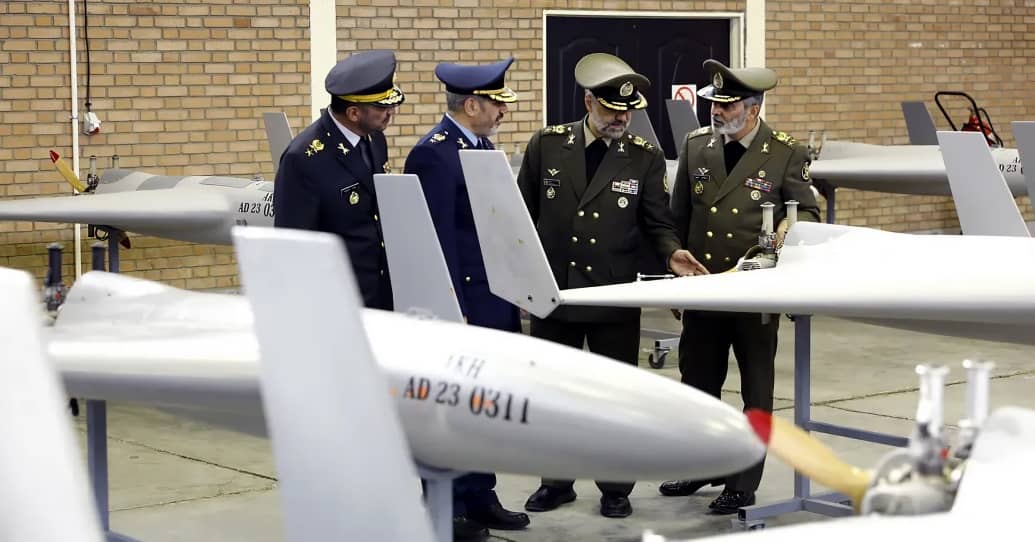

The United States has announced rewards of up to 15 million US dollars for information concerning six individuals allegedly associated with the drone production and operational network linked to Iran’s Islamic Revolutionary Guard Corps Quds Force.
According to statements released by US authorities, the reward program is aimed at gathering information that could help disrupt alleged activities connected to the development, financing, and operation of unmanned aerial systems associated with the organisation. Officials stated that the identified individuals are believed to have played roles in supporting drone production and related military operations.
The announcement comes at a time of increasing geopolitical tensions in West Asia, where concerns regarding drone technology, regional conflicts, and maritime security have continued to grow. Unmanned aerial vehicles have become an increasingly significant factor in modern military conflicts and regional security operations.
The United States government has frequently accused Iran and organisations linked to the Islamic Revolutionary Guard Corps of supporting armed groups and conducting activities that Washington says threaten regional stability. Iran has repeatedly rejected several Western allegations related to military operations and regional interference, maintaining that its defence activities are intended for national security and regional deterrence.
The Quds Force is a branch associated with overseas operations of the Islamic Revolutionary Guard Corps and has been at the center of multiple international sanctions and security related disputes over the years. US authorities have previously imposed economic sanctions and restrictions targeting individuals, organisations, and entities linked to the group.
Security experts note that drone technology has become a major concern in global defence and intelligence discussions because of its increasing use in surveillance, military operations, and asymmetric warfare. The rapid development of drone capabilities by multiple countries and non state actors has significantly changed the nature of modern conflict and security strategy.
The latest reward announcement reflects ongoing efforts by the United States to strengthen intelligence gathering and international cooperation related to counterterrorism and defence monitoring. Officials stated that information provided through the reward program could help identify networks involved in drone manufacturing, procurement, financing, and logistics.
The development has also drawn international attention because of broader tensions involving the United States, Iran, and regional conflicts in West Asia. Recent instability involving maritime trade routes, energy infrastructure, and military confrontations has increased diplomatic and security concerns among global powers.
Analysts believe that escalating geopolitical competition in the region could further influence international relations, energy markets, and defence strategies. Countries across the world are increasingly investing in advanced defence technologies, cyber security systems, and surveillance capabilities in response to evolving threats.
Meanwhile, diplomatic observers note that tensions between Washington and Tehran continue to remain sensitive due to disagreements over regional security, sanctions, nuclear policy, and military activities. Several international organisations and governments have repeatedly called for diplomatic engagement and efforts to reduce tensions in the region.
As investigations and intelligence operations continue, the issue is expected to remain part of broader discussions regarding global security, military technology, and international cooperation in addressing emerging defence challenges linked to drone systems and regional conflicts.