A reported intelligence assessment from the United States has indicated that Iran may have the capability to significantly disrupt maritime traffic through the Strait of Hormuz, one of the world's most strategically important waterways. The assessment has attracted widespread attention among policymakers, security analysts and energy market observers because of the critical role the strait plays in global trade and energy transportation.
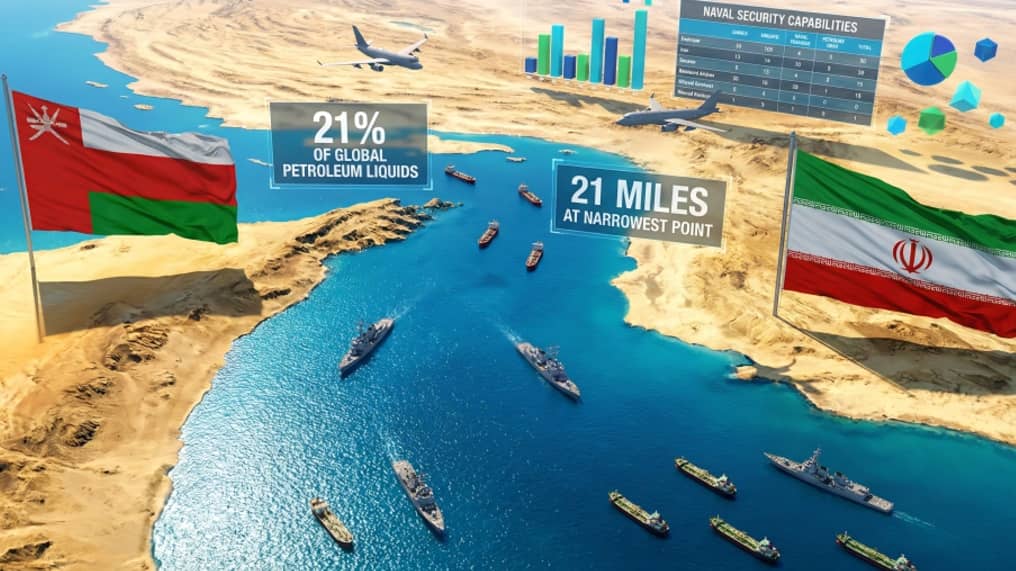
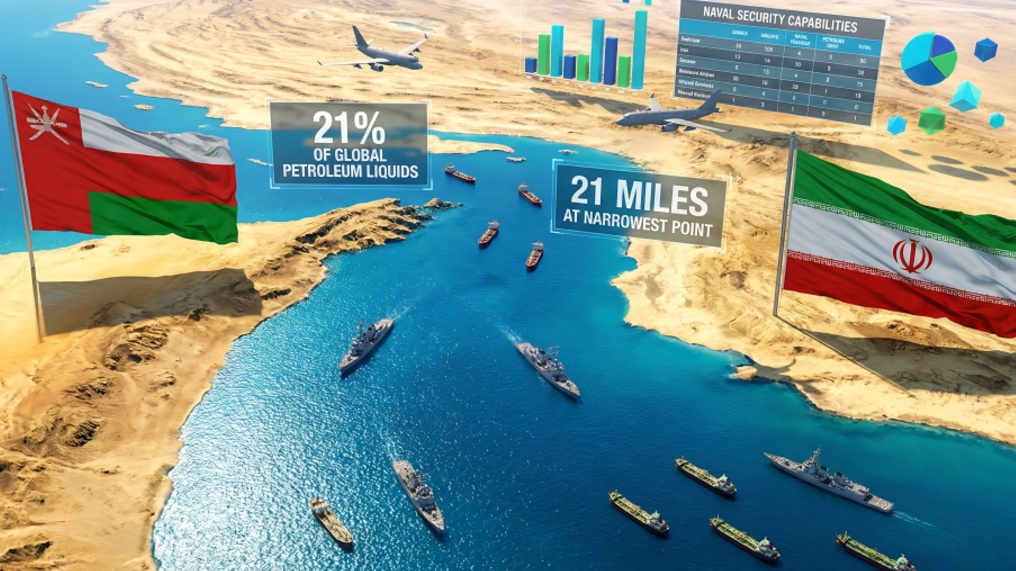
The Strait of Hormuz connects the Persian Gulf with the Gulf of Oman and the Arabian Sea. It serves as a major shipping corridor for crude oil, liquefied natural gas and other energy products exported from several Middle Eastern countries. A substantial share of the world's energy supplies passes through this narrow maritime route each day, making its security a matter of international importance.
According to reports, the intelligence assessment suggests that Iran possesses military and strategic capabilities that could potentially allow it to interfere with shipping activity in the region if tensions escalate. Analysts have long noted that Iran's geographic position along the northern side of the strait provides it with significant strategic advantages.
Security experts point out that any disruption to maritime traffic through the Strait of Hormuz could have far reaching consequences for global energy markets. Reduced shipping activity or increased security risks in the area could affect oil prices, supply chains and international trade flows. As a result, governments and international organisations closely monitor developments related to the waterway.
The reported assessment comes at a time when diplomatic engagement between the United States and Iran remains a subject of international focus. Various efforts have been made over the years to address issues related to regional security, sanctions, nuclear activities and broader geopolitical concerns. Discussions between the two countries have often involved complex negotiations aimed at reducing tensions and promoting stability.
Despite reports regarding Iran's capabilities, analysts emphasise that possessing the ability to disrupt maritime routes does not necessarily indicate an intention to do so. Many experts believe that such capabilities often serve as strategic leverage in diplomatic and security discussions rather than representing an immediate threat.
International maritime organisations and naval forces operating in the region have consistently worked to ensure the safety and security of commercial shipping routes. Several countries maintain a naval presence in nearby waters to support freedom of navigation and protect international trade.
Energy market specialists note that the stability of the Strait of Hormuz remains essential for global economic growth. Any uncertainty surrounding the waterway can influence investor confidence and contribute to fluctuations in international energy prices. Consequently, developments involving the strait are closely followed by governments, businesses and financial institutions worldwide.
The reported intelligence findings have also renewed debate among foreign policy experts regarding the balance between diplomatic engagement and security preparedness in the Middle East. Some observers argue that continued dialogue is necessary to reduce regional tensions, while others emphasise the importance of maintaining strong security measures to safeguard international shipping routes.
As of now, no official action affecting commercial navigation in the Strait of Hormuz has been reported. The waterway continues to operate as a major international shipping corridor. However, the reported assessment highlights the strategic importance of the region and the continuing need for diplomatic efforts aimed at preserving stability and ensuring uninterrupted global trade.