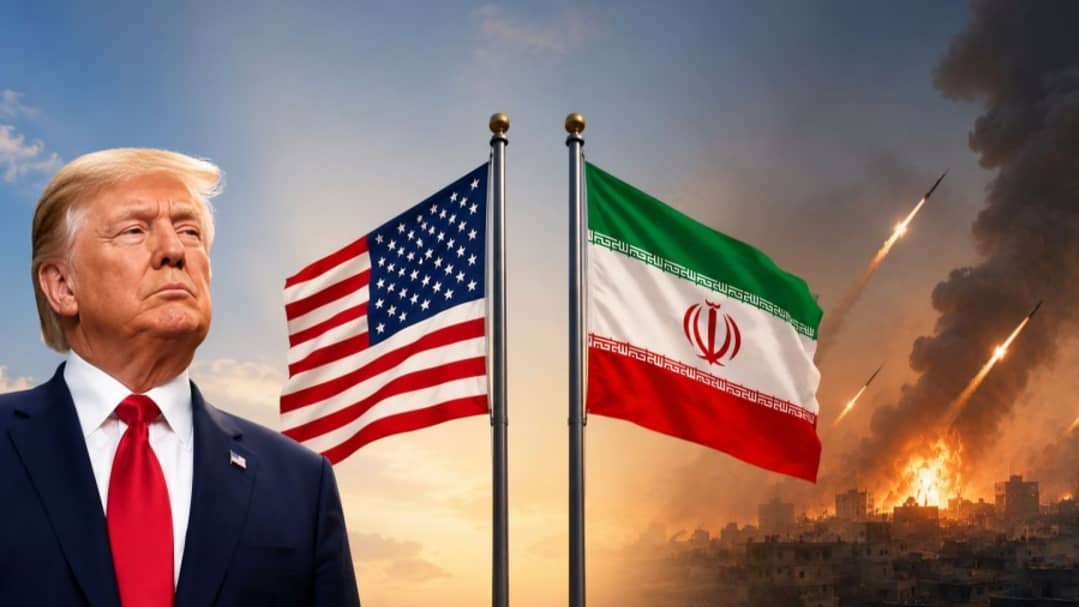

Diplomatic discussions between the United States and Iran are reportedly progressing toward a preliminary understanding that could extend the existing ceasefire arrangement and create a pathway for broader negotiations on Tehran’s nuclear programme. According to reports, both sides are considering a memorandum of understanding that would help maintain the fragile calm for an additional 60 days while formal talks continue.
The proposed framework is expected to cover several key issues, including Iran’s uranium enrichment activities, international sanctions and regional security concerns. One of the central challenges in the negotiations remains balancing Iran’s nuclear development interests with the United States’ demand for strict limits to prevent potential weaponization.
The ceasefire extension is being viewed as an attempt to reduce immediate tensions and avoid further escalation in the region. Diplomatic sources suggest that both countries are under pressure to maintain stability after periods of heightened confrontation involving military activity and geopolitical friction in the Middle East.
Sanctions relief is also expected to be a major component of the discussions. Iran has long sought easing of economic restrictions imposed by the United States and its allies, which have significantly impacted its economy, trade and access to global financial systems. In return, the United States is reportedly seeking verifiable commitments on nuclear transparency and monitoring mechanisms.
The issue of uranium enrichment remains one of the most sensitive points in the negotiations. Western nations have consistently expressed concern over the level of enrichment activity, while Iran maintains that its nuclear programme is intended for peaceful energy purposes. Any agreement would likely require enhanced international inspections and stricter compliance measures.
Another important factor in the discussions is regional stability, particularly in relation to ongoing tensions across parts of the Middle East. The Strait of Hormuz, a critical global shipping route for oil exports, is often mentioned in geopolitical assessments due to its strategic importance in global energy supply chains.
Experts believe that even a temporary understanding between the United States and Iran could help stabilize energy markets and reduce uncertainty in global oil prices. However, they also caution that previous negotiations between the two countries have faced setbacks due to political disagreements and verification challenges.
International observers note that any potential agreement would require careful diplomatic balancing, as both domestic political considerations and regional alliances play a major role in shaping the final outcome. Trust deficits between the two sides remain a key obstacle in reaching a long term settlement.
Global powers and regional stakeholders are closely monitoring the developments, as any breakthrough in US Iran relations could have wide ranging implications for Middle East stability, energy markets and international security dynamics.
While discussions are still ongoing, the possibility of a structured agreement has raised cautious optimism among diplomats. However, officials emphasize that significant differences remain and any final deal would require sustained negotiations and detailed technical agreements.
The coming weeks are expected to be crucial in determining whether the current diplomatic momentum can translate into a formal and lasting framework between the United States and Iran.