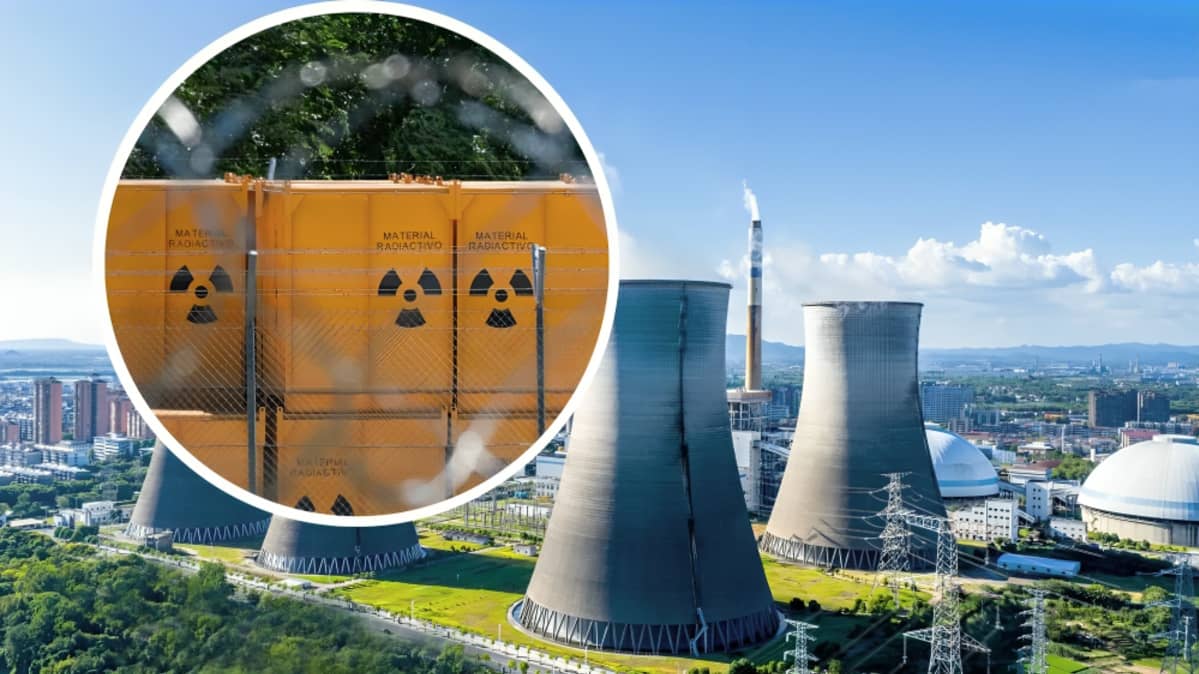

The administration of Donald Trump is reportedly preparing a major initiative to repurpose surplus plutonium from Cold War-era nuclear weapons for commercial nuclear reactor development in the United States. The proposal is part of broader efforts aimed at expanding domestic nuclear energy capacity to meet rising electricity demands associated with artificial intelligence, data centers, and advanced technological industries.
According to reports, the plan involves converting weapons-grade plutonium that remained unused after the Cold War into fuel suitable for civilian nuclear reactors. Officials and energy experts believe the move could help reduce long-term nuclear material storage challenges while also supporting future energy generation needs.
The proposal has gained attention because of increasing global interest in nuclear energy as countries seek reliable low-carbon electricity sources capable of supporting expanding digital infrastructure and industrial growth. Artificial intelligence systems, cloud computing networks, and large-scale data centers are consuming increasing amounts of electricity worldwide, prompting governments and companies to search for stable energy solutions.
Nuclear power is often viewed as an important option because it can generate large amounts of electricity with relatively low direct carbon emissions compared to fossil fuel-based power generation. Supporters of the initiative argue that repurposing surplus plutonium could provide both energy and national security benefits.
Energy analysts noted that the United States has long maintained stockpiles of plutonium from its Cold War nuclear weapons programs. Managing and safely storing such materials has remained a major policy challenge for decades. Converting part of the stockpile into reactor fuel could reduce storage burdens while creating economic value through electricity production.
The initiative is reportedly linked to broader efforts to modernize the American nuclear energy sector, including support for advanced reactor technologies and next-generation nuclear systems. Small modular reactors and advanced fuel technologies have become areas of growing investment interest in recent years.
However, the proposal has also generated debate among environmental groups, non-proliferation experts, and nuclear safety advocates. Critics have raised concerns regarding the handling, transportation, and processing of weapons-grade plutonium, arguing that strict safeguards and oversight would be essential to prevent safety risks or misuse.
Nuclear experts explained that converting plutonium into reactor fuel involves highly regulated technical processes requiring secure facilities and extensive monitoring. The United States government and nuclear regulators would likely need to implement detailed safety measures before moving forward with large-scale commercial applications.
Supporters of nuclear expansion argue that growing electricity demand from artificial intelligence and digital infrastructure may require energy sources capable of operating continuously without dependence on weather conditions. Nuclear power plants provide stable baseload electricity and are increasingly being discussed as part of long-term energy planning strategies.
The proposal also reflects wider global competition in advanced technologies and energy security. Countries including China, France, Russia, and several European nations are investing heavily in nuclear energy research and next-generation reactor systems.
Industry observers believe the US government’s interest in repurposing Cold War plutonium demonstrates how older strategic resources are being reconsidered in light of modern technological and energy demands.
The future of the initiative will likely depend on regulatory approvals, political discussions, environmental assessments, and economic feasibility studies. Experts expect extensive debate regarding safety standards, energy policy priorities, and the role of nuclear power in supporting future artificial intelligence-driven industries.
As discussions continue, policymakers, energy companies, and environmental organizations are expected to closely monitor how the United States approaches the balance between nuclear energy expansion, national security concerns, and sustainable economic development.