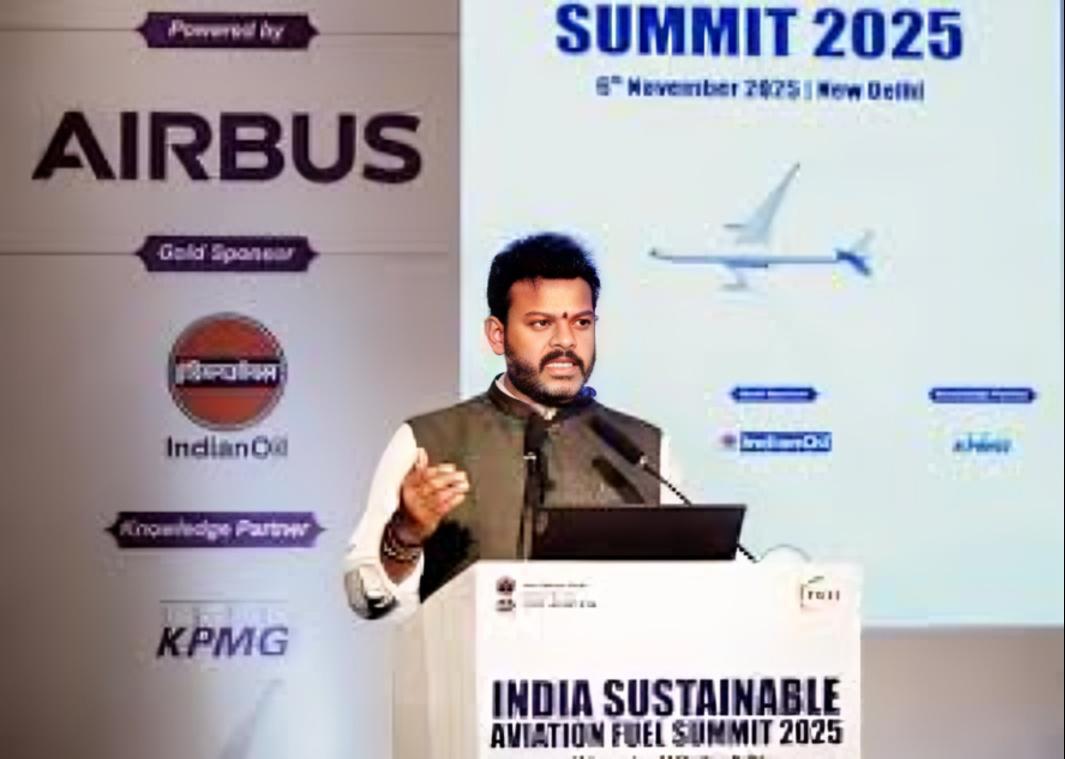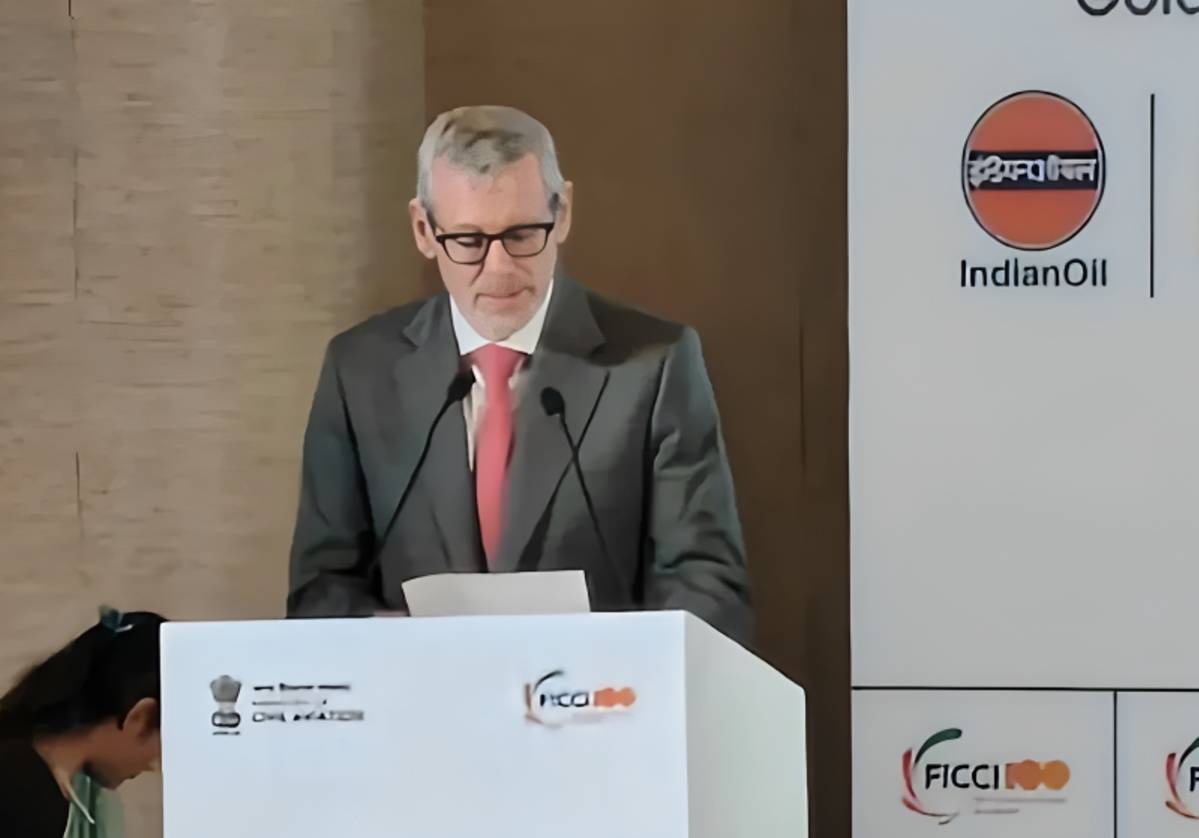
India has an opportunity to play a significant role in shaping the future of sustainable aviation, with Sustainable Aviation Fuel (SAF), corporate investment and supportive government policies emerging as important areas of focus. According to the Airbus India leadership, the country can use its agricultural resources, engineering capabilities and expanding aviation market to develop solutions that support the industry's transition towards lower-carbon operations.
The aviation sector is under increasing pressure to reduce its environmental impact as air travel continues to grow worldwide. Conventional aircraft fuel is a major source of carbon emissions from aviation. Sustainable Aviation Fuel is considered one of the important options for reducing the industry's dependence on fossil-based fuels without requiring an entirely new aircraft technology or a complete change in existing airport infrastructure.
SAF can be produced from different sustainable sources, including agricultural residues, used cooking oil and certain waste materials. India has access to several potential feedstocks, particularly agricultural waste and municipal solid waste. Developing reliable supply chains to collect, process and convert these materials into aviation fuel could create opportunities for domestic producers and technology companies.
Sustainable Aviation Fuel Can Support India's Growth
India's large agricultural sector could provide an important foundation for the development of a domestic SAF industry. Agricultural residues that are otherwise discarded or burned may be used as raw materials, provided they meet the required technical and sustainability standards. Establishing commercially viable collection systems could create additional income opportunities across parts of the agricultural supply chain.
The production of SAF could also support investment in research, fuel processing facilities, logistics and related infrastructure. These activities may generate employment in areas such as engineering, manufacturing, research and development, transportation and fuel distribution.
However, the availability of raw materials alone will not be sufficient to establish a competitive industry. Producers will need access to suitable technologies, investment, clear certification standards and long-term demand from airlines. The cost of SAF is another major challenge, as sustainable alternatives are generally more expensive than conventional aviation fuel.
Corporate Investment and Government Policies
Corporate participation could help address some of the financial challenges associated with expanding SAF production. Airlines, businesses and institutional investors can contribute by supporting voluntary SAF programmes, entering long-term supply agreements and investing in production projects.
Airbus India President and Managing Director Jürgen Westermeier has previously called for corporate spending on voluntary SAF programmes to be considered under the Corporate Social Responsibility framework. Such an approach could help mobilise additional funding for sustainable aviation initiatives, while encouraging businesses to participate in measurable climate-related programmes.
Government policy will also be important in creating a stable market for SAF. Measures such as clear blending targets, production incentives, research support and consistent certification requirements could encourage companies to invest in domestic manufacturing capacity. Coordination between the aviation, petroleum, environment and other relevant departments will be necessary to develop the industry.
India has already taken steps towards building a domestic SAF ecosystem. In January 2024, Airbus and the CSIR-Indian Institute of Petroleum signed an agreement to explore technology pathways and test and qualify locally produced SAF. The collaboration focused on developing fuel using locally sourced feedstocks and supporting the technical assessment, approvals and commercialisation process.
In November 2025, Airbus and Gati Shakti Vishwavidyalaya also announced a research partnership focused on converting municipal solid waste into sustainable aviation fuel. The initiative aims to explore indigenous technologies and develop solutions that could support India's circular economy and aviation decarbonisation efforts.
India's SAF Roadmap and the Road Ahead
The Indian government has also been reviewing the country's preparedness for SAF production and adoption. In July 2026, the Ministry of Civil Aviation held a stakeholder meeting to examine production capacity, certification, supply chains and the roadmap for SAF blending. The discussions included the availability of fuel to meet anticipated demand from 2027 onwards.
India has indicated blending targets of 1 per cent in 2027, 2 per cent in 2028 and 5 per cent in 2030 for international flights, as outlined in a government response to Parliament. These targets are intended to support the country's preparedness for international aviation emissions requirements.
The transition will require coordinated action from fuel manufacturers, airlines, airports, research institutions, investors and government agencies. Expanding production capacity, ensuring the sustainability of raw materials and reducing the cost difference between SAF and conventional jet fuel will remain key priorities.
For India, the development of sustainable aviation fuel is not only an environmental objective but also an opportunity to strengthen domestic manufacturing and energy security. With appropriate investment, technology development and policy support, the country could build a stronger position in the global SAF supply chain.
The pace of progress will depend on how effectively these initiatives move from research and pilot projects to large-scale commercial production. If the necessary ecosystem is developed, India could create new employment opportunities, support its climate ambitions and contribute to a more sustainable future for global aviation.